
A City That Builds Its Identity Around Venues
New Orleans treats sport as a civic ritual, and its venues reflect that. This is a city where a football stadium became a symbol of both catastrophe and recovery, where college baseball draws serious crowds on weekday evenings, and where a Sunday game day reshapes traffic, restaurant reservations, and neighborhood conversation across the entire metro area. For a city of its size, the density and quality of athletic venues is unusual.
What makes the local stadium landscape interesting is its range. Within a short drive you can move from a 70,000-seat domed superstructure that hosts Super Bowls and championship football to an intimate collegiate soccer field where you can hear the coaching from the stands. Each venue has developed its own culture, sightline character, and food identity, and understanding those differences is the difference between attending an event and genuinely enjoying it.
The Top 10 Stadiums and Arenas in New Orleans
1. Caesars Superdome
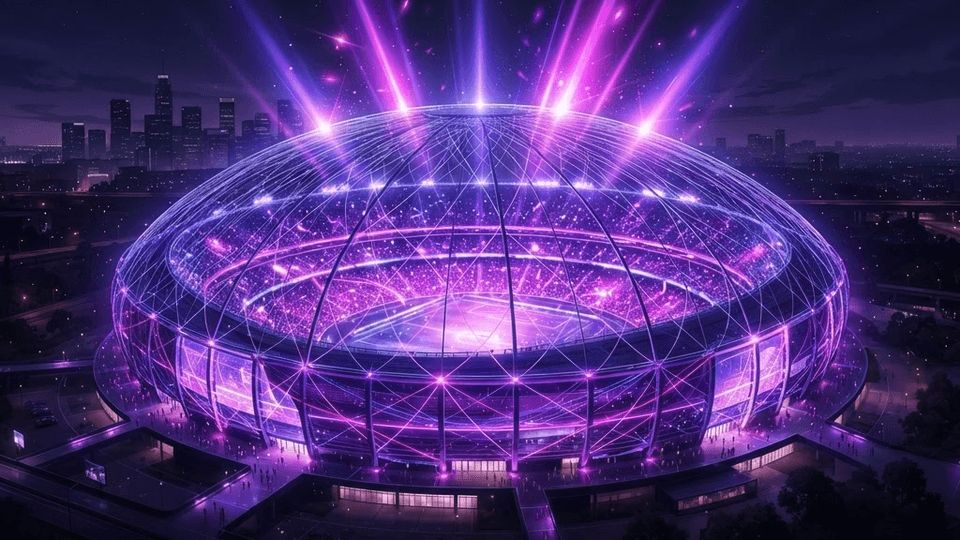
The Superdome remains the defining structure of the New Orleans skyline and one of the most famous stadiums in the world. Home to the New Orleans Saints and the Sugar Bowl, it has hosted multiple Super Bowls, NCAA Final Fours, and College Football Playoff championship games. Extensive multi-phase renovations have modernized the concourses, replaced escalator and vertical-transportation systems, opened up field-level views from wider walkways, upgraded lighting and video systems, and rebuilt premium seating areas. Acoustically, the enclosed roof concentrates crowd noise into a genuine competitive factor, and the atmosphere during a decisive Saints drive is among the loudest experiences in American sport.
2. Smoothie King Center
Adjacent to the Superdome, the Smoothie King Center is the indoor arena home of the New Orleans Pelicans and a primary stop for major touring concerts. Its scale strikes an effective balance, large enough for NBA production values and intimate enough that upper-level seats retain a real connection to the floor. The arena also hosts college basketball tournaments, family entertainment, and combat sports, and its shared campus with the Superdome makes event-day logistics unusually convenient.
3. Yulman Stadium
Yulman Stadium brought Tulane University football back to campus, and the result is one of the more pleasant mid-size college football environments in the South. With a capacity around 30,000, it delivers a compact, steep seating arrangement that keeps crowd energy close to the field. The uptown campus setting, the walkable pre-game atmosphere along nearby streets, and the modern club and terrace spaces make it a favorite for fans who prefer collegiate intimacy to professional spectacle.
4. Devlin Fieldhouse
One of the oldest continuously used basketball facilities in the country, Devlin Fieldhouse is a genuine piece of American sporting heritage. The historic Tulane venue seats a modest crowd, and that is precisely its appeal: the sound reflects off the old structure, the sightlines are immediate, and the building carries decades of program history in its bones. For basketball purists, it offers an experience no modern arena can replicate.
5. Maestri Field at Privateer Park
Home to the University of New Orleans Privateers baseball program, Maestri Field is a well-regarded collegiate ballpark on the lakefront campus. Warm evenings, lake breezes, and the unhurried rhythm of college baseball make it one of the most relaxed sporting environments in the city. The venue has hosted significant postseason baseball and remains a favorite among fans who value the game over the production.
6. Greer Field at Turchin Stadium
Tulane's baseball home, Turchin Stadium is an attractive campus ballpark with modern amenities, a well-maintained playing surface, and berm and terrace seating options that suit families. Spring weekend series here draw dedicated crowds, and the combination of quality Division I competition and a comfortable, tree-framed setting makes it one of the city's most underrated venues.
7. Shrine on Airline
Located in nearby Metairie, this ballpark was built for professional minor league baseball and continues to serve as a significant regional venue for baseball, high school football, and community events. With intimate seating, accessible pricing, and a full concessions program, it delivers the classic minor league experience: close-up baseball, promotional nights, and an unpretentious family atmosphere.
8. Tad Gormley Stadium
Set within City Park, Tad Gormley Stadium is a historic multipurpose facility that has hosted Olympic trials, major track and field competitions, high school football championships, soccer, and large-scale concerts. Its horseshoe configuration and mature oak surroundings give it a character no modern stadium replicates, and it remains central to the city's amateur and scholastic sporting life.
9. Yenni Stadium
A cornerstone of high school athletics in Jefferson Parish, Yenni Stadium hosts football and soccer for multiple area schools and stages some of the most emotionally charged games in the region. Friday night crowds here reflect the deep local investment in prep sports, and the venue's straightforward design keeps the focus entirely on the field.
10. Xavier University Convocation Center
The Convocation Academic Center serves Xavier University of Louisiana as both an athletic arena and a campus gathering space. Basketball and volleyball games here are close-quarters affairs with strong student energy, and the building's dual academic and athletic role reflects the way New Orleans universities integrate sport into campus life rather than separating it.
What Makes a Great Game Day Here
New Orleans venues share a distinguishing trait: the food is genuinely part of the experience. Concessions at local stadiums lean into regional cooking, and it is entirely normal to find jambalaya, po-boys, gumbo, and boudin alongside standard stadium fare. Combined with strong pre-game and post-game neighborhood options, this turns attendance into a broader outing rather than a two-hour transaction.
Transportation is the other defining factor. The downtown venues benefit from a walkable core, streetcar access, and proximity to hotels, which means many fans never touch a car. Campus and suburban venues require more planning, but they compensate with easier parking and calmer approaches.
Practical Attendance Tips
For indoor venues, arrive early enough to absorb the pre-game atmosphere, because the concentrated noise builds well before kickoff or tip-off. For outdoor stadiums between April and October, plan for heat and humidity, favor shaded or covered seating when available, and expect the possibility of a brief but intense afternoon thunderstorm. Digital ticketing is now standard across major venues, and clear-bag policies apply at the larger facilities, so checking specific venue rules before departure saves time at the gate.
The Broader Picture
The city's venue portfolio is also an economic engine. Championship events at the Superdome generate substantial visitor spending and international broadcast exposure, while campus and community stadiums support youth development, scholastic competition, and neighborhood identity. Ongoing investment in modernization, particularly the sustained renovation program at the Superdome, signals a long-term commitment to keeping New Orleans in the rotation for the largest events in American sport.
For visitors and residents alike, the practical takeaway is variety. A weekend in New Orleans can include an NBA game downtown, college baseball uptown, and a high school football game in the suburbs, each with a distinct atmosphere and each unmistakably shaped by the city around it.