
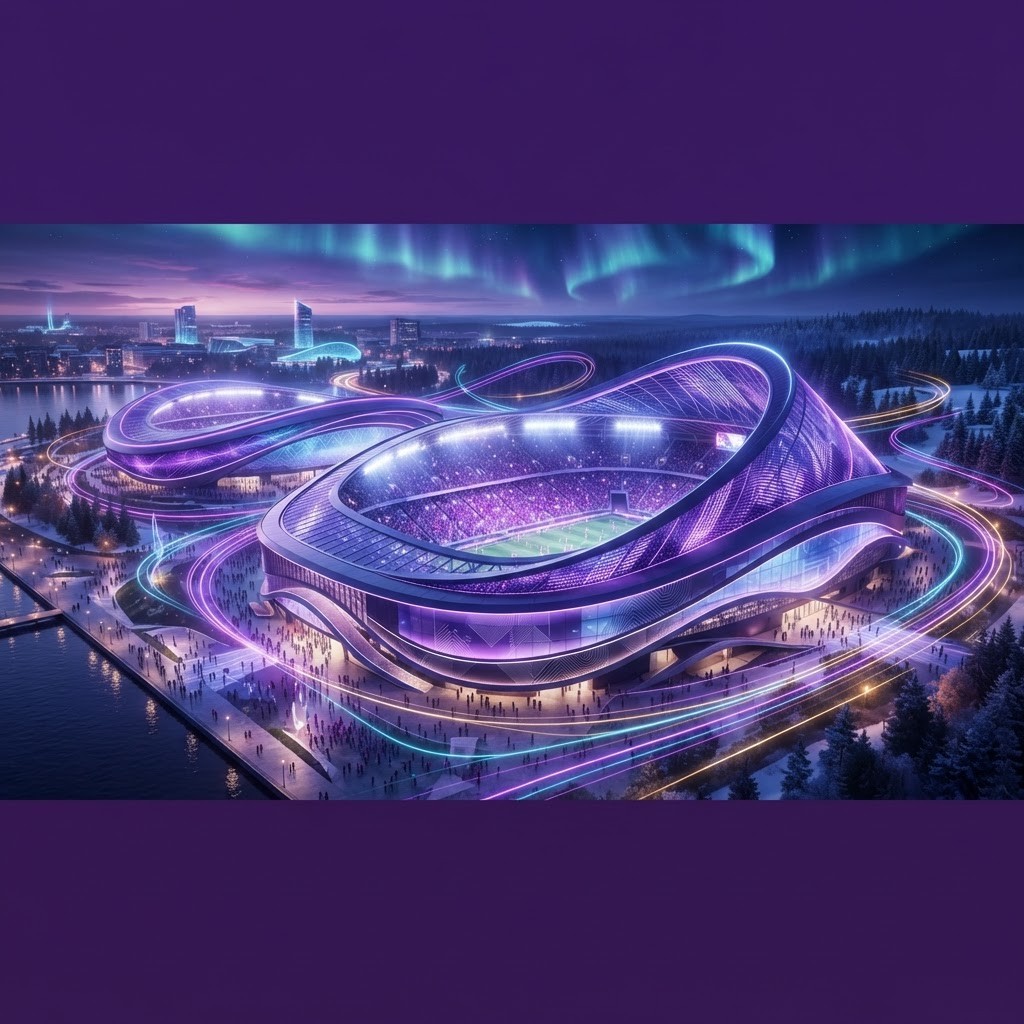
The Heart of Finnish Sport and Culture
Stadiums hold a special place in Finnish society, serving as gathering points for national pride, athletic achievement, and cultural celebration. In a country where sport is deeply embedded in daily life, these venues are far more than concrete bowls; they are living landmarks that tell the story of Finland's sporting ambitions and architectural evolution. From ice hockey arenas that roar during championship nights to athletics tracks steeped in Olympic history, Finland's stadiums offer a remarkable range of experiences.
This guide explores the country's most impressive venues, examining their history, design, and the events that bring them to life. Whether you are a sports enthusiast, an architecture admirer, or a traveler seeking memorable experiences, Finland's stadiums have something extraordinary to offer.
Historic Landmarks of Finnish Sport
No discussion of Finnish stadiums is complete without the Helsinki Olympic Stadium. Originally built for the 1940 Games, which were ultimately cancelled, it later hosted the celebrated 1952 Summer Olympics. Its iconic tower and functionalist design remain symbols of Finnish modernism. Following a major renovation, the stadium now combines its treasured heritage with cutting-edge facilities, hosting athletics championships, concerts, and major national events.
The stadium's transformation reflects a broader Finnish philosophy: honoring the past while embracing the future. Retractable roofing, upgraded seating, and modern hospitality areas ensure the venue remains relevant for contemporary audiences without erasing its historic character.
Modern Arenas Leading the Way
Finland's passion for ice hockey has driven the construction of some of Europe's finest indoor arenas. The Helsinki Halli has long been a premier venue for hockey and concerts, while newer facilities such as the Tampere Deck Arena, also known as Nokia Arena, have redefined expectations. Built above a railway yard, Nokia Arena is an engineering marvel that seats thousands and offers exceptional acoustics, luxury suites, and flexible configurations for sport and entertainment alike.
These modern arenas prioritize spectator comfort, accessibility, and multi-use functionality. Advanced lighting, sound systems, and digital displays create immersive atmospheres that rival the best venues on the continent, making them attractive hosts for international tournaments and world championships.
Football and Athletics Venues
Football continues to grow in popularity across Finland, and venues like the Bolt Arena in Helsinki provide dedicated homes for the sport. Compact and atmospheric, these stadiums deliver an intimate matchday experience where fans sit close to the action. Regional stadiums in cities such as Turku, Tampere, and Lahti also serve as vital community hubs, hosting league matches and grassroots events.
Athletics remains a cherished tradition, and several stadiums maintain high-quality tracks and field facilities. These venues nurture the next generation of Finnish athletes while hosting national competitions that draw enthusiastic crowds throughout the summer season.
Winter Sports Facilities
Given Finland's climate, winter sports venues are essential to the national identity. Ski jumping towers, biathlon centers, and cross-country arenas in regions like Lahti and Kuopio have hosted world championship events and continue to attract elite competitors. These facilities combine spectacular natural settings with professional infrastructure, offering unforgettable spectator experiences against snowy backdrops.
Architecture and Sustainability
Finnish stadium design increasingly emphasizes sustainability and integration with the surrounding environment. Energy-efficient systems, responsible material choices, and smart water management are becoming standard features. Architects strive to create venues that feel connected to their cities, using natural light, timber accents, and open concourses that reflect Nordic design principles.
The Nokia Arena's construction above active rail lines exemplifies how Finnish engineering pushes boundaries, maximizing urban space while minimizing environmental impact. Such innovations position Finland as a leader in forward-thinking venue design.
The Fan Experience
Attending an event at a Finnish stadium is about more than the competition. Spectators enjoy well-organized transport links, quality catering that often features local specialties, and a welcoming atmosphere that reflects the country's reputation for orderliness and hospitality. Family-friendly amenities and strong safety standards make these venues accessible to all.
Conclusion
Finland's stadiums represent a compelling blend of history, innovation, and community spirit. From the legendary Helsinki Olympic Stadium to the state-of-the-art Nokia Arena, these venues showcase the nation's dedication to sport and culture. Whether hosting a hockey final, an international concert, or a local football match, Finland's finest stadiums continue to inspire pride and unite communities across the country.