
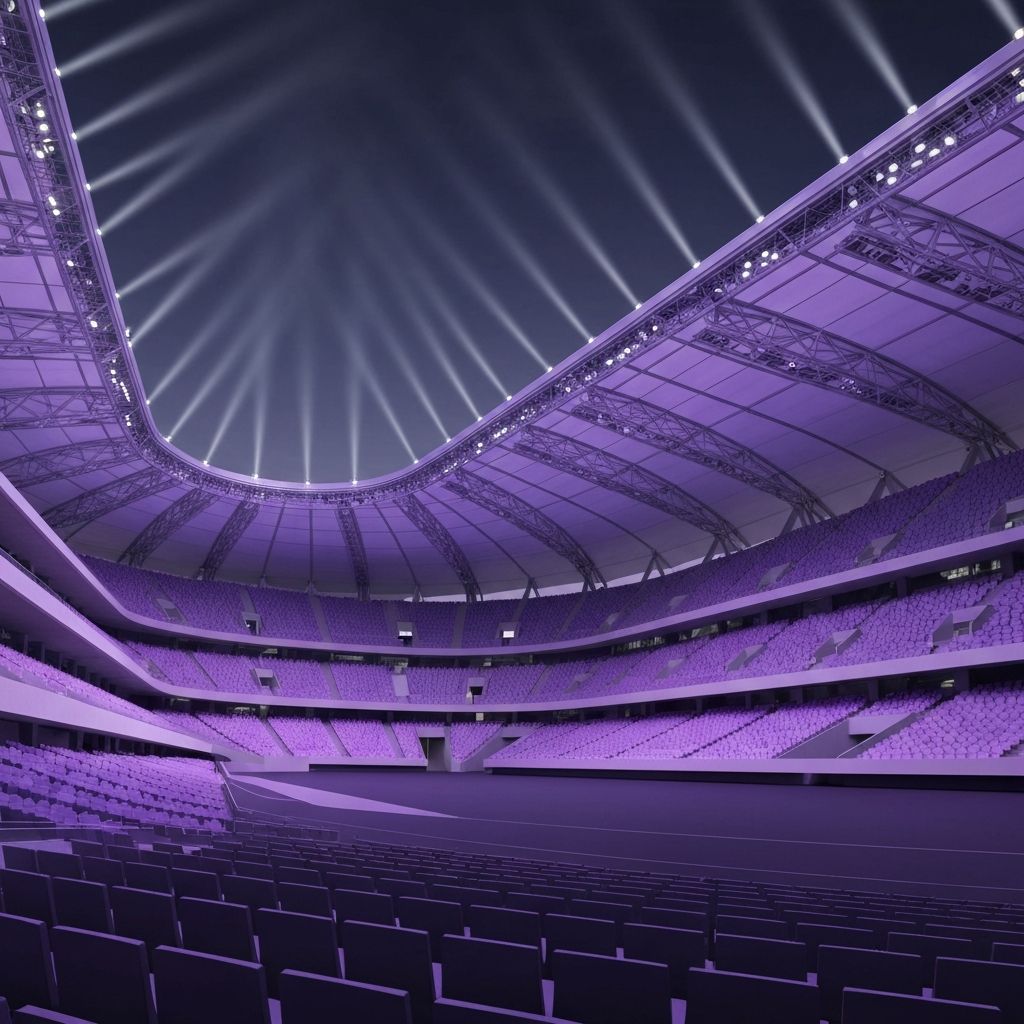
Ethiopia's Sporting Heritage and Stadium Culture
Ethiopia has a proud sporting tradition, particularly in athletics where Ethiopian runners have achieved legendary status on the world stage. This passion for sports extends to football, which captivates millions of fans across the country. Ethiopian stadiums serve as gathering places where communities come together to celebrate athletic achievement, support their teams, and experience the electric atmosphere of live sporting events.
The country's stadiums range from historic venues that have witnessed decades of memorable moments to modern facilities built to international standards. These arenas host not only sporting events but also concerts, cultural celebrations, and national gatherings. This guide explores the finest stadiums in Ethiopia, each contributing to the nation's vibrant sports culture.
1. Addis Ababa Stadium
Addis Ababa Stadium stands as Ethiopia's premier sporting venue and the nation's largest arena. Located in the heart of the capital, this iconic stadium has hosted countless historic moments in Ethiopian sports. The stadium's capacity accommodates tens of thousands of enthusiastic fans who create an intimidating atmosphere for visiting teams. Addis Ababa Stadium regularly hosts Ethiopian Premier League matches, international football fixtures, and major athletic competitions. Recent improvements have enhanced spectator amenities while preserving the stadium's historic character.
2. Bahir Dar Stadium
Bahir Dar Stadium serves the capital of the Amhara Region and has become one of Ethiopia's most important regional sporting venues. The stadium's location near Lake Tana provides a scenic setting for sporting events. Bahir Dar Stadium hosts local football clubs competing in Ethiopian leagues and has become a regular venue for national team matches outside the capital. The facility's growing importance reflects the decentralization of Ethiopian sports infrastructure and the enthusiastic fan base in the Amhara Region.
3. Hawassa International Stadium
Hawassa International Stadium represents one of Ethiopia's newest and most modern sporting facilities. Built to international standards, the stadium features contemporary amenities including proper seating, quality playing surfaces, and modern infrastructure systems. Hawassa Stadium has hosted important international football matches and has elevated Ethiopia's capabilities for hosting major sporting events. The stadium's location in the southern city of Hawassa has made it an important hub for sports in the southern regions.
4. Dire Dawa Stadium
Dire Dawa Stadium serves Ethiopia's second-largest city and has a long history in Ethiopian football. The stadium has been home to historic clubs that have contributed significantly to Ethiopian football heritage. Dire Dawa's passionate fans fill the stadium for local derbies and important matches, creating memorable atmospheres that players and visitors long remember. Recent renovations have improved the stadium's facilities while maintaining its traditional character and connection to the local community.
5. Mekelle Stadium
Mekelle Stadium anchors sports activities in the Tigray Region and has developed into an important venue in Ethiopian football. The stadium hosts local clubs competing at various levels of Ethiopian football and serves as a venue for regional athletics competitions. Mekelle's fans are known for their passionate support of local teams, and the stadium atmosphere during important matches reflects the region's deep connection to sports. The facility continues to develop as an important sporting center for northern Ethiopia.
6. Gondar Stadium
Gondar Stadium provides sporting facilities for the historic city of Gondar and the surrounding region. The stadium's setting near Gondar's famous castles and historical sites adds cultural significance to sporting events. Gondar Stadium hosts local football matches and has seen growing attendance as regional football has developed. The venue represents the spread of quality sporting infrastructure beyond Ethiopia's largest cities to important regional centers.
7. Jimma Stadium
Jimma Stadium serves the important southwestern city of Jimma and the surrounding Oromia Region communities. The stadium has witnessed the rise of local clubs that have competed successfully in Ethiopian leagues. Jimma's coffee-producing region brings unique cultural elements to sporting events, with passionate local support for hometown teams. The stadium continues to develop as a key venue for football and other sports in southwestern Ethiopia.
8. Adama Stadium
Adama Stadium provides sporting facilities for one of Ethiopia's fastest-growing cities. Located in the Rift Valley, Adama has become an important commercial and transportation hub, and its stadium reflects this growing significance. The stadium hosts local clubs and has become a regular venue for various sporting events. Adama's proximity to Addis Ababa makes the stadium accessible to fans from the capital while providing an alternative venue for national events.
9. Nekemte Stadium
Nekemte Stadium serves the western Ethiopian city of Nekemte and has become an important venue for regional sports. The stadium hosts local clubs competing in Ethiopian football leagues and serves as a gathering place for the community. Western Ethiopia's growing engagement with organized sports has increased the stadium's importance as a development center for athletic talent. The facility continues to improve as investment in regional sports infrastructure grows.
10. Asella Stadium
Asella Stadium occupies a special place in Ethiopian athletics as it is located in the town known for producing many of Ethiopia's legendary distance runners. The high-altitude location provides ideal training conditions that have contributed to Ethiopia's dominance in international distance running. Asella Stadium hosts athletics events that showcase emerging talents following in the footsteps of Ethiopian running legends. The stadium represents the grassroots foundation of Ethiopian athletic excellence.
The Role of Stadiums in Ethiopian Society
Ethiopian stadiums serve purposes beyond sports, functioning as community gathering places and symbols of civic pride. Major events at these venues bring diverse populations together in shared experiences that strengthen social bonds. The continued development of stadium infrastructure reflects Ethiopia's commitment to sports and recognition of their importance in national life.
The Future of Ethiopian Stadiums
Ethiopia continues to invest in sporting infrastructure, with plans for new stadiums and improvements to existing facilities. These investments support the development of Ethiopian sports at all levels while enhancing the country's ability to host international events. The stadiums featured in this guide represent the current best of Ethiopian sporting venues and provide foundations for the country's sporting future.