
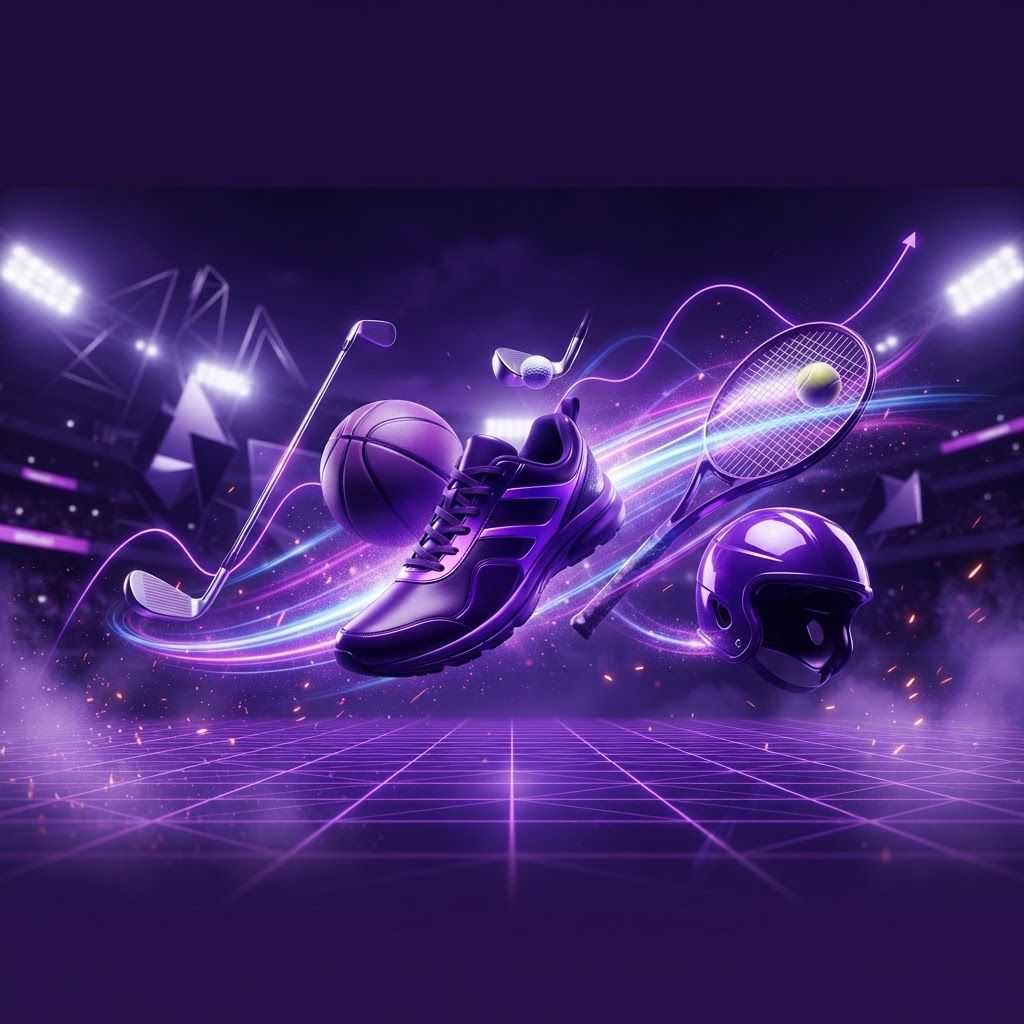
An Active City With Varied Terrain
Winston-Salem supports an unusually broad range of athletic activity for a city its size. Its greenway network and surrounding Piedmont terrain sustain a large running and cycling population. Its public and private courses keep golf demand steady year-round. Its universities and a deep youth league structure generate constant equipment turnover in basketball, soccer, baseball, and lacrosse. Nearby mountains and lakes add hiking, climbing, and paddling to the mix within a short drive.
That variety means local retailers stock more genuinely than in markets dominated by a single sport, and it means shoppers benefit from understanding what actually differentiates gear rather than defaulting to the most recognizable logo.
How to Evaluate Sports Equipment
Fit outranks every other factor in footwear and protective gear. A running shoe that fits properly in a lower-priced model outperforms an ill-fitting premium one, and improperly fitted helmets or pads provide substantially less protection than their ratings suggest. Get measured, account for foot swelling during activity, and test movement rather than only standing still.
Match materials to the Piedmont climate. Summer humidity here is significant, so moisture-wicking synthetics and merino wool outperform cotton by a wide margin for comfort and chafing prevention. Cotton retains sweat, adds weight, and stays wet, which becomes a genuine problem on long summer runs and rides.
Understand where technology matters and where it does not. In running shoes, midsole foam and geometry meaningfully affect energy return and impact. In rackets and clubs, weight, balance, and flex have real performance consequences that vary by player strength and technique, which is why fitting sessions justify their cost. In apparel, marginal fabric claims beyond basic moisture management rarely change outcomes.
Check certification for protective equipment. Helmets, eyewear, and pads carry safety standards, and equipment that has absorbed a significant impact should be replaced regardless of visible condition.
Finally, factor replacement cycles into cost. Running shoes lose meaningful cushioning within a few hundred miles, so a durable midsole compound often costs less per mile than a cheaper shoe replaced twice as often.
Ten Sports Gear Brands to Consider
Nike offers the broadest coverage across sports and remains strong in basketball and running footwear. Its depth means most athletes can find a suitable fit within the range, and its wide local availability makes trying multiple models straightforward.
Adidas competes closely, with particular strength in soccer, where its boot range and ball quality serve Winston-Salem's substantial youth and adult soccer community well. Its Boost-based running platforms have durable followings among distance runners.
Under Armour has deep roots in team sports and training apparel, and its moisture-management base layers are well suited to humid Southeastern conditions. Its team uniform and equipment programs make it common across regional school and club programs.
Brooks is a specialist rather than a generalist, and that focus shows. Its running shoes are consistently recommended by specialty running retailers for reliable fit, predictable cushioning, and support options for varied gait patterns, which matters on the city's greenway distances.
New Balance distinguishes itself with genuine width options, which solves a persistent problem for runners and walkers whose feet do not match standard sizing. That alone makes it worth trying for anyone who has struggled with narrow toe boxes.
Hoka has built a strong following among runners and walkers seeking maximal cushioning, particularly those managing joint stress or logging high mileage on paved greenways. Its distinctive geometry suits some gaits far better than others, making in-person testing important.
Titleist anchors the golf category, and the Piedmont's strong golf culture keeps demand high. Its ball lineup and club fitting programs are industry references, and fitted equipment produces measurably better results than off-the-rack purchases for committed players.
Callaway competes directly in golf with strong driver and iron technology and a well-developed fitting infrastructure. For golfers upgrading from entry equipment, its range covers a wide span of skill levels without forcing a jump to tour-level specifications.
Wilson spans tennis, basketball, and baseball with equipment that sits at the center of scholastic and recreational play. Its rackets and gloves are common across local leagues, and its mid-tier products deliver reliable performance for developing athletes.
Patagonia serves the outdoor and adventure side, which matters given how many Winston-Salem residents travel to nearby mountains and waterways. Its layering systems, repair program, and durability focus make it a sensible long-term investment for hiking, paddling, and cold-weather training.
New Versus Used Equipment
Some categories are safe to buy used and some are not. Golf clubs, bicycles, weights, kayaks, and rackets frequently represent excellent value secondhand, since wear is visible and performance degradation is gradual. Youth equipment in particular makes sense used, given how quickly it is outgrown.
Helmets, protective padding, and running shoes should generally be bought new. Helmets can be compromised by impacts that leave no external evidence, and used running shoes carry compressed midsoles and wear patterns shaped by another person's gait, which can contribute to injury.
Getting Fitted Locally
Winston-Salem's specialty retailers offer gait analysis for runners, club fitting for golfers, and bike fitting for cyclists. These services consistently deliver more performance improvement per dollar than equipment upgrades alone, because they correct the mismatch between the athlete and the gear rather than simply adding technology.
For team sports parents, local retailers also understand league requirements and sizing conventions, which prevents buying equipment that fails inspection or is outgrown mid-season.
Final Thoughts
Sports gear buying improves dramatically once fit and replacement cost are prioritized over brand identity. In Winston-Salem, where humidity, greenway mileage, golf, and youth league volume shape most purchases, the practical recommendations are consistent: get fitted in person, choose moisture-managing fabrics, buy protective equipment new, consider quality used gear for hard goods, and invest in the categories you use most rather than spreading a budget thin across everything.