
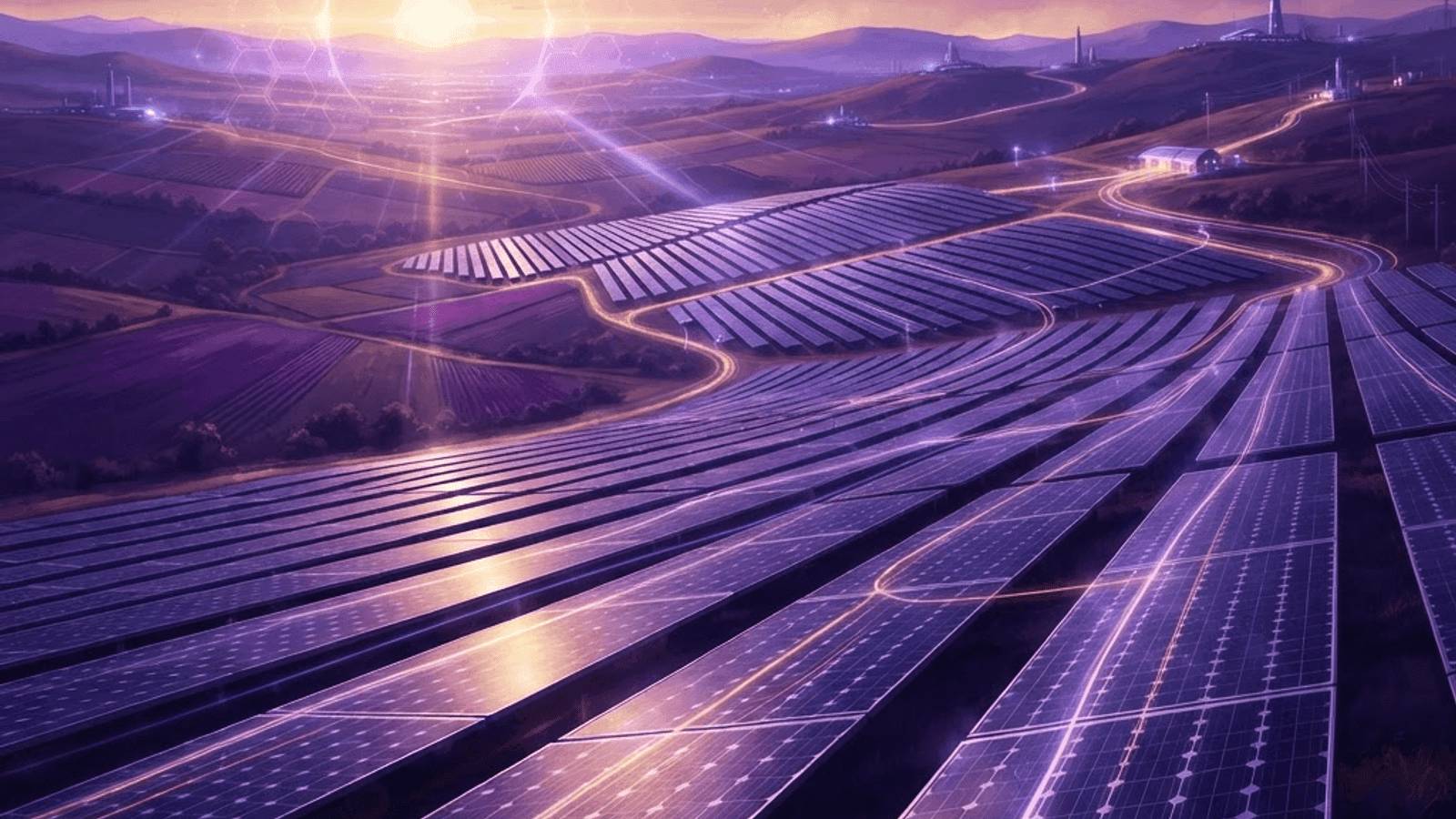
Solar Energy in the Salinas Valley
Few regions match the Salinas Valley for solar practicality. The climate delivers abundant sunshine with moderate temperatures, and moderate temperatures matter because photovoltaic panels actually lose efficiency in extreme heat. The valley's combination of strong irradiance and cool coastal influence produces excellent real-world output.
Demand is equally favorable. Irrigation pumping, produce cooling, packing operations, and processing facilities consume large volumes of electricity during daylight hours. Residential adoption has grown steadily as electricity rates have climbed and battery costs have fallen. The result is a competitive local solar market with genuine depth of expertise.
The Top 10 Solar Companies Serving Salinas
1. Valley Solar Works. One of the most established installers in Monterey County, Valley Solar Works serves residential, agricultural, and commercial clients. Its strength is engineering rigor: shade analysis, structural review, and production modeling are done in detail before a proposal is issued. Customers consistently report that actual output matches projections closely, which is the clearest sign of honest modeling.
2. Gabilan Sun Power. Focused on large agricultural installations, Gabilan Sun Power designs ground-mount arrays, solar carports, and pump-dedicated systems. It has particular expertise in sizing systems around irrigation schedules so that generation and consumption align, maximizing the value of every kilowatt-hour produced.
3. Monterey Bay Solar and Battery. Specializing in solar paired with energy storage, this company addresses the reality that exporting power to the grid is now worth far less than consuming it onsite. Its battery-first design philosophy suits both homeowners seeking outage protection and businesses reducing peak demand charges.
4. Alisal Rooftop Energy. A residential specialist known for straightforward pricing and clean installation work, Alisal Rooftop Energy has built a strong reputation through referrals. It handles permitting, utility interconnection, and inspection coordination end to end, which removes most of the friction homeowners dread.
5. Central Coast Photovoltaics. Serving commercial buildings, schools, and public facilities, this firm manages complex projects requiring prevailing wage compliance, structural upgrades, and phased construction around occupied operations. Its project management discipline is its main differentiator.
6. Harvest Solar Solutions. Built around farm operations, Harvest Solar Solutions combines solar generation with pump efficiency upgrades and cold storage improvements. It approaches projects as total energy strategy rather than panel sales, often recommending efficiency work before adding capacity.
7. Oldtown Solar Services. Rather than new installations alone, this company focuses heavily on maintenance, repair, panel cleaning, inverter replacement, and system takeovers for customers left behind by defunct installers. As the regional installed base ages, this service niche has become increasingly valuable.
8. Steinbeck Solar Development. Working on larger ground-mount and community-scale arrays, Steinbeck Solar Development handles land assessment, interconnection studies, and long-term offtake agreements. It typically serves landowners looking to generate revenue from marginal acreage.
9. Pacific Solar Design Group. A design and consulting practice rather than an installer, this group produces independent system specifications and reviews competing bids on behalf of clients. Organizations making substantial investments often hire it to ensure proposals are compared on equal technical footing.
10. Salinas Community Solar Initiative. Focused on expanding access for renters and lower-income households, this organization develops shared solar arrangements and assists with incentive program applications. Its work addresses the persistent gap between who can benefit from solar and who can host it.
Understanding Solar System Components
A solar installation is more than panels. Modules convert sunlight into direct current electricity, and current offerings differ in efficiency, temperature performance, appearance, and warranty length. Higher efficiency matters most when roof space is limited.
Inverters convert direct current into usable alternating current. String inverters are cost effective for unshaded, uniform arrays. Microinverters and power optimizers operate at the individual panel level, which improves performance under partial shading and enables panel-level monitoring.
Mounting systems must be engineered for local wind loads and roof construction, and quality flashing is what prevents leaks a decade later. Monitoring platforms track production and alert owners to faults, which is essential since an underperforming system rarely announces itself.
Batteries store excess generation for evening use or outage backup. Sizing depends on what you want to accomplish: whole-home backup, critical load backup only, or purely economic peak shaving.
Incentives and Economics
Federal investment tax credits remain the largest single financial lever for most projects, reducing net system cost substantially. Agricultural operations may access additional rural energy programs that combine grants with favorable financing. Accelerated depreciation improves after-tax returns for commercial owners.
Net billing rules determine the value of exported energy, and current structures compensate exports at considerably less than retail rates. This has made self-consumption and storage central to project economics. A well-designed system today is sized to match onsite usage rather than to maximize export.
Financing options include cash purchase, secured loans, leases, and power purchase agreements. Cash purchase produces the strongest lifetime return, while third-party arrangements require no capital but transfer incentive benefits to the financier. The right choice depends on tax position and available capital.
How to Compare Solar Proposals
Compare cost per watt rather than total price, since systems differ in size. Then verify that production estimates use site-specific shade analysis, not regional averages. Ask which modeling software was used and request the shade report.
Scrutinize warranties separately. Module performance warranties, inverter warranties, and installer workmanship warranties are three distinct commitments with different durations. A twenty-five-year panel warranty means little if the installer offers only one year on labor.
Confirm licensing, insurance, and local permitting experience. Installers unfamiliar with regional building departments and utility interconnection procedures routinely deliver late.
Finally, ask what happens after commissioning. Monitoring, annual inspection, cleaning, and defined service response times separate companies that sell systems from companies that support them.
Final Thoughts
Solar in Salinas has matured into dependable infrastructure with well-understood economics. The companies profiled here have earned their standing through engineering discipline and follow-through rather than aggressive sales tactics. For a homeowner, grower, or business facing rising electricity costs, a carefully designed solar and storage system remains one of the most reliable long-term investments available in the valley.