
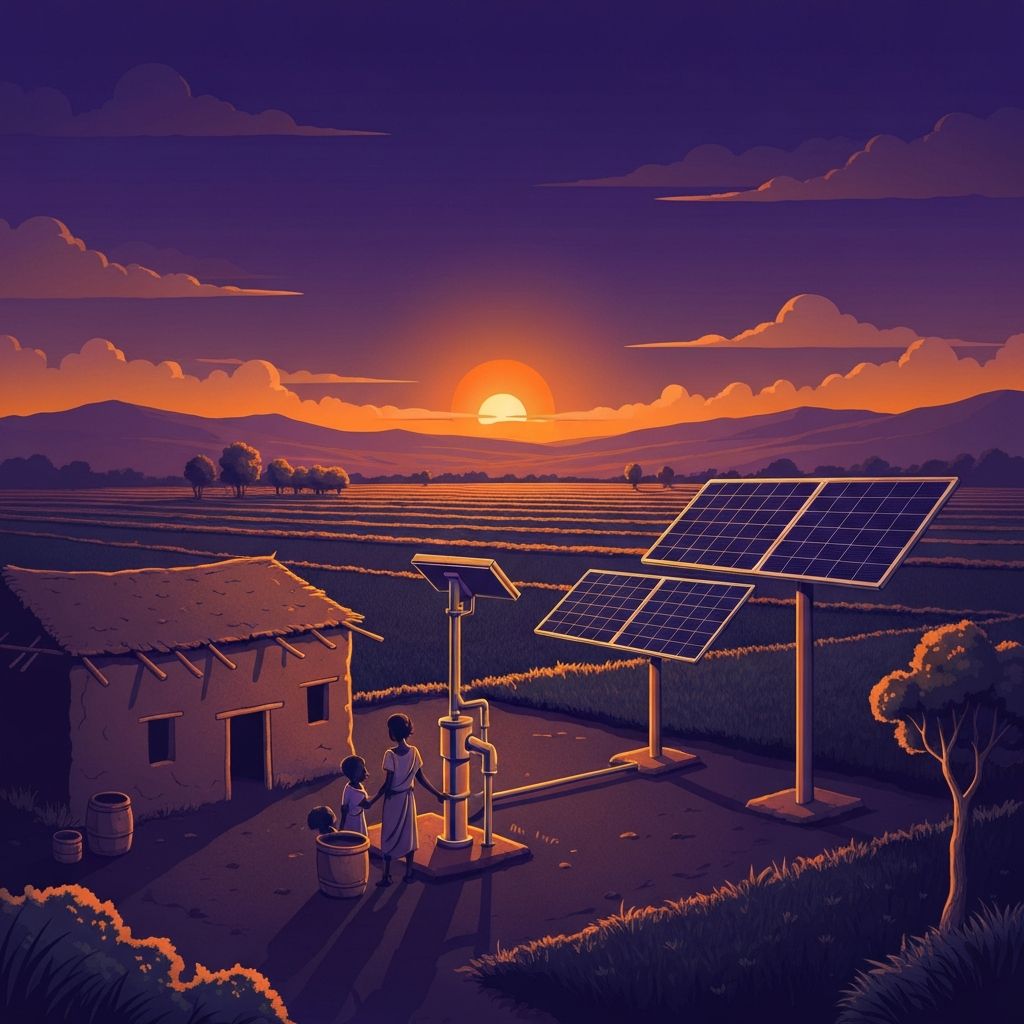
The Solar Opportunity in Ethiopia
Ethiopia enjoys some of the highest levels of solar irradiation in Africa, making solar energy a powerful tool for both grid expansion and rural electrification. As the country pursues universal electricity access and seeks to diversify its energy mix beyond hydropower, solar has emerged as a fast-growing segment. From small home systems to large solar parks, a diverse set of companies are advancing this transformation.
The following are among Ethiopia's most active and respected solar energy companies, serving residential, commercial, industrial, and off-grid customers.
1. Lydetco
Lydetco is one of Ethiopia's pioneering solar companies, offering solar home systems, water pumping solutions, and commercial PV installations. Its long track record makes it a trusted name across the country.
2. Rensys Engineering and Trading
Rensys is known for engineering, procurement, and construction services in solar projects, including rural electrification, telecom site power, and rooftop systems for institutions.
3. SolarVille Ethiopia
SolarVille Ethiopia focuses on commercial and industrial solar, helping factories, hotels, and agribusinesses cut energy costs through tailored on-site PV solutions.
4. ZIN Solar Energy
ZIN Solar Energy provides high-quality solar panels, batteries, and inverters along with installation services, serving both urban and rural customers with reliable systems.
5. Sunny Solar PLC
Sunny Solar PLC offers a broad range of solar products, including solar lighting, water pumps, and small home kits, contributing to access in underserved areas.
6. Mama Energy
Mama Energy specializes in pay-as-you-go solar home systems, making solar power affordable for low-income households through flexible payment plans.
7. Green Tech Africa Solar Division
Green Tech Africa's solar division integrates solar with clean cooking and water solutions, providing holistic energy access services for rural communities.
8. Solaris Power Ethiopia
Solaris Power Ethiopia engages in mid-sized commercial installations and EPC services, supporting NGOs, hospitals, and educational institutions with reliable solar systems.
9. AbeSolar Ethiopia
AbeSolar Ethiopia is an emerging player focusing on rooftop solar for residential and small commercial customers in Addis Ababa and regional cities.
10. Habesha Solar Solutions
Habesha Solar Solutions completes the list with a strong focus on solar-powered agriculture, including irrigation pumps and cold storage for smallholder farmers.
Solar Applications Across Ethiopia
Solar technology in Ethiopia is applied across many use cases. Solar home systems power lighting, mobile charging, and small appliances for off-grid households. Solar water pumping supports irrigation and clean water supply. Commercial and industrial systems reduce grid dependence for factories and tourism facilities. Utility-scale solar parks contribute to national capacity through power purchase agreements.
Why Choose Solar in Ethiopia
Solar offers cost stability, environmental benefits, and rapid deployment compared to conventional power infrastructure. For rural communities, solar bypasses the need for costly grid extensions. For businesses, it hedges against tariff increases and improves resilience during power interruptions. For the country, solar reduces pressure on hydro resources during dry seasons.
Choosing a Reliable Solar Company
When selecting a solar provider, customers should evaluate quality of components, warranty terms, after-sales service, and local installation capacity. The best companies combine certified products with skilled engineers and ongoing maintenance support. Transparent pricing and clear performance expectations are also key indicators of a trustworthy partner.
Industry Trends
The solar sector in Ethiopia is evolving rapidly. Pay-as-you-go and microfinance-linked models are expanding access among lower-income households. Battery storage adoption is rising as customers seek energy independence. Industrial parks are exploring captive solar generation, and large solar tenders continue to bring international developers into the market.
Challenges and Solutions
Challenges include foreign exchange access for imports, customs procedures, financing constraints, and the need for skilled technicians. Industry leaders are addressing these through local assembly, training programs, and partnerships with development finance institutions, gradually building a more resilient ecosystem.
Conclusion
The companies above are shaping Ethiopia's solar future in distinct and complementary ways. Whether providing a single solar lamp to a remote household or developing a multi-megawatt solar farm, each contributes to a cleaner, more inclusive energy system. As demand grows and technology costs continue to fall, Ethiopia's solar sector is set to play an even more central role in the country's development.