
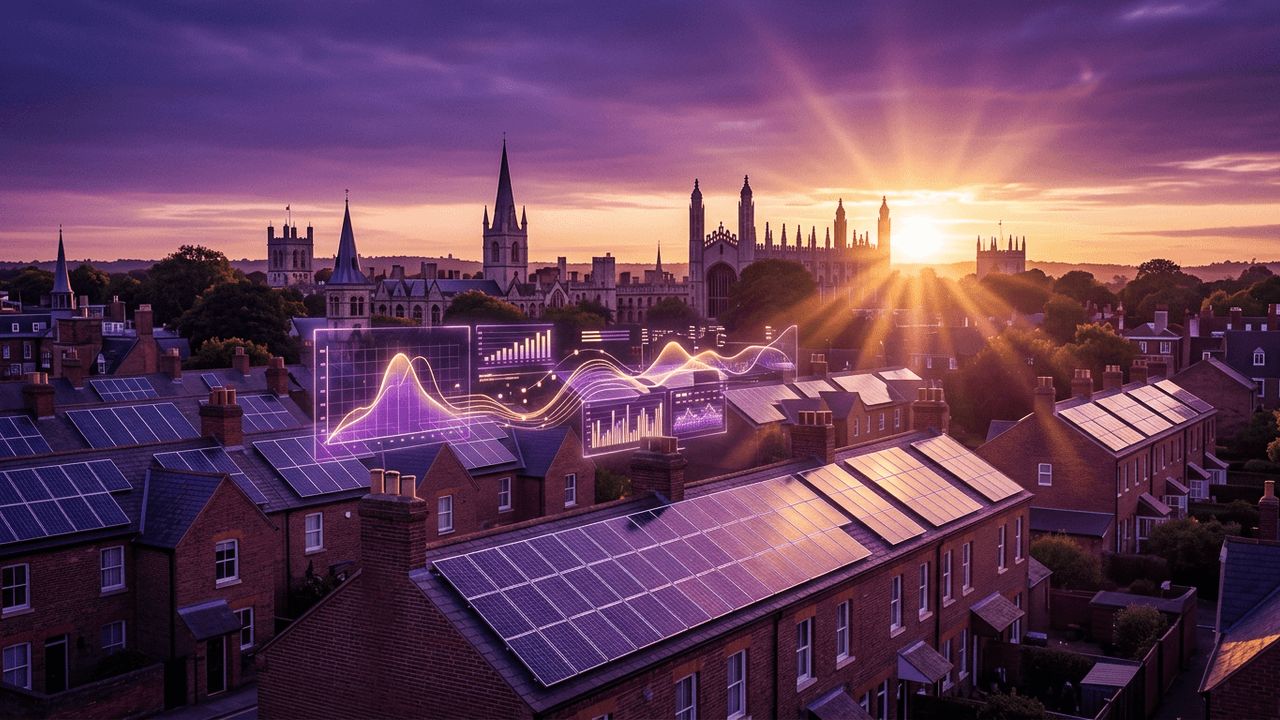
Solar Power Comes of Age in Cambridge
Cambridgeshire enjoys some of the sunniest conditions in the UK, with relatively low rainfall and long summer days. Combined with high electricity prices, falling panel costs and better battery technology, that makes solar one of the most attractive home and business upgrades available. Across the city, from Victorian terraces in Romsey to modern developments in Trumpington and business parks on the outskirts, rooftops are increasingly covered with panels.
Choosing a solar provider, however, can be confusing. This guide highlights ten companies and schemes that Cambridge residents and businesses frequently consider, each with a different strength.
Why Solar Makes Sense Locally
Solar panels generate electricity even on cloudy days, and the East of England's climate is among the most favourable in the country. Battery storage allows households to use more of the power they generate, while smart export tariffs pay for surplus electricity sent to the grid. For businesses with large roofs, such as warehouses and labs, solar can significantly reduce daytime energy costs. Planning permission is usually not required for typical domestic installations, although conservation areas and listed buildings have extra rules worth checking.
Top 10 Solar Energy Companies
1. Solar Together Cambridgeshire
Solar Together is a group-buying scheme supported by local councils in the region and delivered with iChoosr. By pooling demand, it helps residents access vetted installers at competitive prices, with a clear and transparent process.
2. Octopus Energy
Octopus Energy offers solar panel and battery installation alongside its smart export tariffs. Its integrated approach, combining hardware with flexible pricing, appeals to households that want to maximise savings.
3. EDF
EDF provides home solar and battery installations as part of its wider energy services. It is a familiar name for customers who prefer to work with a large, established supplier.
4. E.ON
E.ON designs and installs solar systems for homes and businesses. It also offers batteries and EV chargers, making it a convenient option for customers planning several energy upgrades at once.
5. Lightsource bp
Lightsource bp develops large-scale solar farms and commercial installations. Businesses and landowners in Cambridgeshire engage with its teams for utility-scale projects and long-term power agreements.
6. Low Carbon
Low Carbon develops solar farms and battery storage, including in the East of England. Landowners interested in leasing land for solar generation frequently consider partners like Low Carbon.
7. Good Energy
Good Energy is a renewable energy supplier that also supports customers with solar and heat pump installations. Its long-standing commitment to clean power appeals to environmentally minded households.
8. Sunsave
Sunsave offers solar and battery systems with flexible payment options, including subscription-style plans. This lowers the upfront cost barrier for homeowners keen to switch to solar.
9. Project Solar UK
Project Solar UK installs residential solar panels and batteries across the country. It emphasises design, monitoring and aftercare, helping homeowners track performance over time.
10. British Gas
British Gas offers solar panel and battery installation alongside its energy supply and home services. Customers who already use the company for boiler cover or electricity often appreciate managing everything with a single provider.
How to Choose a Solar Installer
Look for installers certified under the Microgeneration Certification Scheme (MCS), which is usually required for export tariff eligibility. Ask for a detailed design that considers roof orientation, shading and your household's energy usage patterns. Compare quotes on equipment quality, warranties and aftercare, not just price. If you live in a conservation area or a listed building, confirm whether permission is needed before installation. Finally, consider whether a battery suits your lifestyle, particularly if you are out during the day.
Trends in Solar Energy
Batteries are now included in a growing share of home installations, increasing self-consumption and resilience. Smart tariffs reward households for using and exporting power at the right times. New homes are increasingly built with solar as standard. Commercial solar is expanding as businesses pursue net zero targets, and agrivoltaics, combining farming and solar on the same land, is attracting interest across rural Cambridgeshire.
Frequently Asked Questions
How long does it take for solar panels to pay for themselves?
Payback periods depend on system size, installation cost, energy prices and how much electricity you use yourself. Many households find that combining panels with a battery and a smart export tariff improves the financial case considerably.
Can I install solar on a listed building?
Listed building consent is usually required for panels on a listed property, and conservation areas may restrict panels on roof slopes facing the street. Speak to the council and your installer early to explore suitable options such as rear roofs or outbuildings.
Do solar panels need much maintenance?
Solar panels require very little maintenance. Occasional cleaning and periodic system checks help maintain performance, while inverters may need replacing during the system's lifetime.
Making the Most of Your System
Shifting energy-intensive tasks such as laundry, dishwashing and EV charging to sunny daytime hours increases the amount of solar power you use directly. Monitoring apps make it easy to track generation and adjust habits for maximum savings.
Conclusion
Solar energy is one of the most practical ways for Cambridge households and businesses to cut costs and carbon. The providers in this guide offer a range of approaches, from community group-buying schemes to large-scale developers. Take time to compare, ask questions and choose a partner who will support your system for decades to come.