
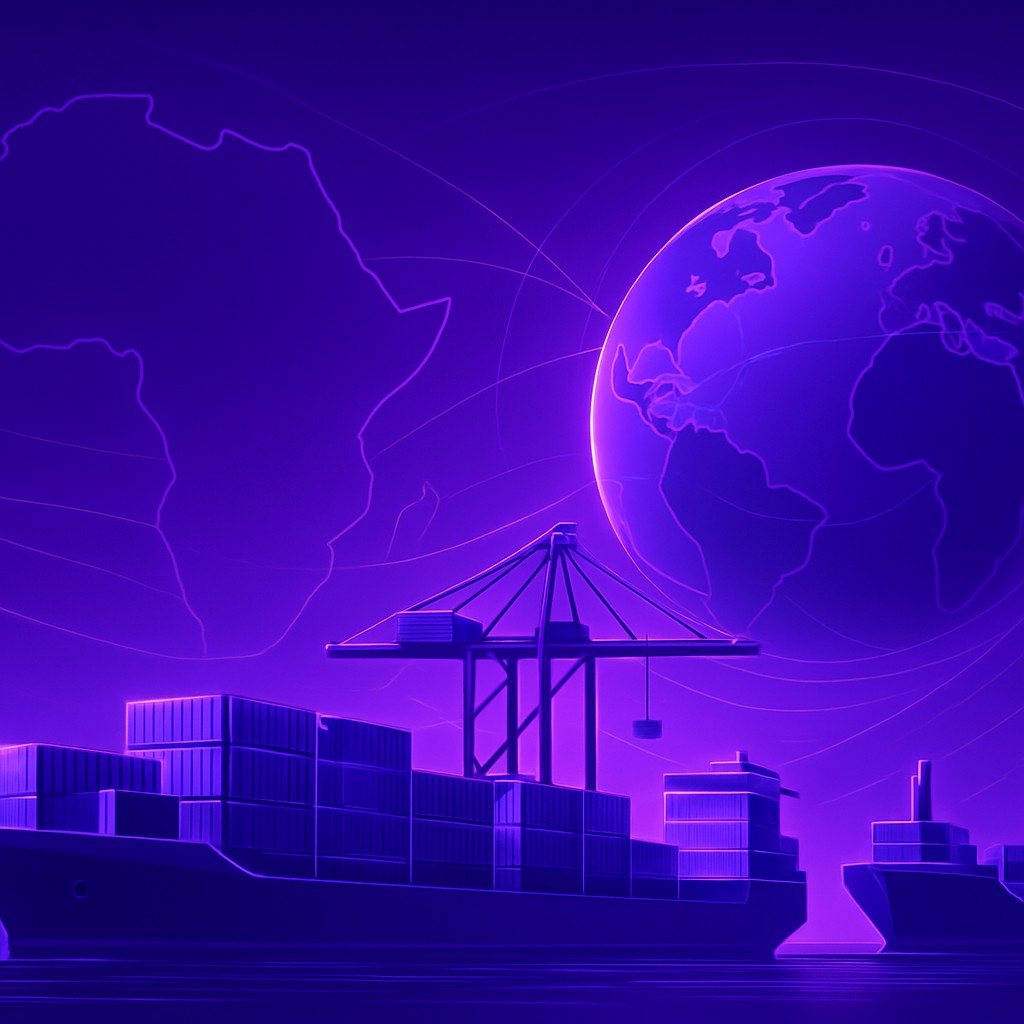
Shipping in a Landlocked Nation
At first glance, the idea of shipping companies in a landlocked country like Zimbabwe might seem surprising. Yet shipping plays a crucial role in connecting Zimbabwean businesses to international markets. Without direct access to the sea, the country relies on sophisticated logistics arrangements that link it to ports in neighbouring nations, enabling the import and export of goods across the globe.
Shipping companies and freight forwarders in Zimbabwe specialise in managing this complex journey. They coordinate the movement of cargo from inland origins to coastal ports, handle ocean freight bookings, and oversee the documentation and customs processes that international trade requires. Their expertise transforms Zimbabwe's geographical challenge into a manageable, efficient process.
The Role of Freight Forwarding
Much of what is described as shipping in Zimbabwe takes the form of freight forwarding and international logistics coordination. These companies act as the orchestrators of global trade, arranging the various stages of a shipment's journey and ensuring that goods move smoothly from one mode of transport to another.
A typical international shipment might begin with road or rail transport to a regional port, followed by ocean freight to a distant market, and then onward distribution at the destination. Freight forwarders manage this multimodal process, booking space, preparing documentation, arranging insurance, and clearing customs at each stage. Their role is indispensable for businesses engaged in importing and exporting.
What Distinguishes the Best Shipping Companies
The leading shipping companies in Zimbabwe are defined by their expertise in international logistics. Global trade involves a maze of regulations, documentation, and procedures, and navigating it successfully requires deep knowledge and experience. The best providers guide their clients through this complexity with confidence and precision.
Reliability is essential. International shipments involve long journeys and tight schedules, and delays can be costly. Top shipping companies build their reputations on dependable service, careful planning, and proactive communication that keeps clients informed every step of the way.
Strong networks and partnerships also set the leaders apart. Effective international shipping depends on relationships with ocean carriers, port operators, customs authorities, and transport providers across multiple countries. Companies with well-established networks can offer better rates, more options, and smoother service.
Managing Imports and Exports
For Zimbabwean importers, shipping companies provide a vital service by bringing in everything from machinery and vehicles to consumer goods and industrial inputs. They manage the entire process, ensuring that goods clear customs efficiently and arrive in good condition. This support allows businesses to access the products and equipment they need to operate and grow.
For exporters, shipping companies open the door to global markets. Zimbabwe's minerals, agricultural products, and manufactured goods can reach customers around the world thanks to the logistics expertise these companies provide. By managing the complexities of export shipping, they help local businesses compete on the international stage.
Customs Clearance and Documentation
One of the most valuable services offered by shipping companies is customs clearance. International trade involves extensive documentation, including bills of lading, commercial invoices, packing lists, and various permits and certificates. Errors or omissions can lead to costly delays and penalties.
Experienced shipping companies handle this documentation expertly, ensuring compliance with the regulations of multiple jurisdictions. Their knowledge of customs procedures helps clients avoid pitfalls and keeps cargo moving smoothly through borders and ports. This expertise is particularly valuable given the complexity of cross-border trade in the region.
Technology in Modern Shipping
Technology is increasingly important in the shipping sector. Online booking platforms, real-time tracking, and digital documentation are improving transparency and efficiency. Clients can now monitor their shipments throughout their journey, gaining visibility that was once impossible.
Leading shipping companies in Zimbabwe are embracing these tools to offer better service. Digital systems streamline communication, reduce errors, and provide the real-time information that modern businesses expect. This technological adoption is enhancing the reliability and convenience of international shipping.
Overcoming Geographic Challenges
The defining feature of shipping in Zimbabwe is the ingenuity required to overcome the country's landlocked position. Successful shipping companies have turned this challenge into an opportunity, developing deep expertise in multimodal transport and regional coordination that many coastal competitors lack. They understand the trade corridors that link Zimbabwe to the sea, the seasonal factors that affect routes, and the relationships needed to keep cargo moving across multiple borders. This specialised knowledge makes them invaluable to importers and exporters, who depend on their partners to navigate complexity efficiently and to find reliable pathways to global markets despite the absence of a domestic seaport.
Choosing a Shipping Partner
Businesses selecting a shipping company should consider expertise, reliability, network strength, and the range of services offered. The ability to manage customs clearance, provide tracking, and handle complex multimodal shipments is particularly important. A strong reputation and proven experience in relevant trade routes provide valuable assurance.
The best shipping companies in Zimbabwe overcome the challenge of being landlocked by connecting the country seamlessly to global trade. Through their expertise in freight forwarding, customs clearance, and international logistics, they enable businesses to import and export with confidence. As global trade continues to evolve, these shipping companies will remain essential bridges between Zimbabwe and the wider world.