
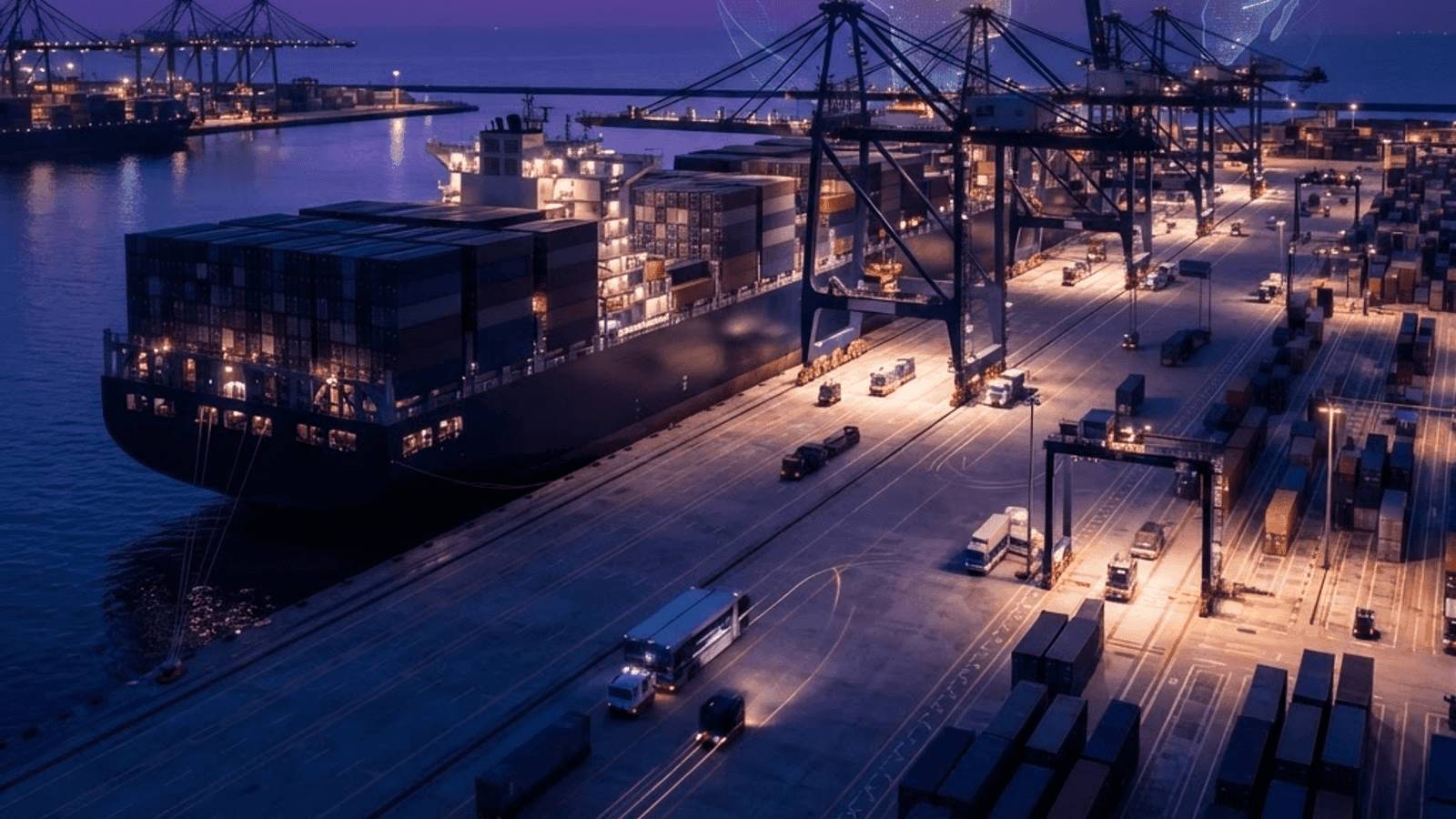
Shipping From Silicon Valley to the World
Sunnyvale companies ship an unusually diverse mix of goods. Prototype hardware heading to a contract manufacturer in Asia, semiconductor equipment bound for Europe, ecommerce parcels going to consumers nationwide, and documentation requiring next-morning delivery all leave the city daily. Each of those movements calls for a different kind of shipping partner.
Geography helps. The Port of Oakland provides container access to Pacific and transpacific trade lanes. Three airports supply air freight capacity. A dense parcel network covers the region with same-day and next-day options. The challenge is not availability but selection, because choosing the wrong service class can double the cost or halve the reliability of a shipment.
Understanding Your Shipping Options
Parcel carriers handle small packages, typically under seventy pounds, with door-to-door tracking and guaranteed service levels. They are the right choice for ecommerce, samples, and documents.
Ocean freight carries containers for cost-efficient international movement of larger volumes, with full container load and less than container load options. It is slow but economical, and it remains the backbone of global trade.
Air freight provides speed for international shipments that cannot wait weeks, at several times the cost of ocean. It is often the right answer for high-value, low-weight goods where inventory carrying cost outweighs freight cost.
Specialised shipping covers hazardous materials, temperature-controlled goods, oversized equipment, and high-security movements, each requiring specific certification and handling.
The Top 10 Shipping Companies Serving Sunnyvale
1. FedEx. A dominant parcel and express carrier with strong international reach, reliable time-definite services, and an extensive local drop-off network. Its international express product is widely used for urgent overseas shipments.
2. UPS. A major parcel carrier with deep ground and air networks, well-developed business tools, and integrated customs brokerage that simplifies international shipping for smaller companies.
3. DHL Express. Particularly strong on international express, with excellent coverage across Asia and Europe and customs expertise that frequently outperforms competitors on cross-border transit reliability.
4. United States Postal Service. Highly competitive for lightweight parcels and small international packages, with universal delivery coverage that reaches addresses other carriers surcharge heavily.
5. Maersk. A leading ocean carrier offering container services through West Coast ports, increasingly bundled with inland transport and logistics management for end-to-end contracts.
6. Matson. An ocean carrier known for fast, reliable transpacific service and dedicated terminal operations, valued by shippers who need predictable schedules rather than the lowest rate.
7. Expeditors International. A forwarder rather than an asset carrier, arranging ocean and air shipments with strong technology-sector expertise and careful handling of sensitive electronics.
8. Peninsula Global Shipping. A regional forwarder and consolidator offering less than container load services, export packing, and documentation support for smaller exporters who lack in-house trade expertise.
9. Bayline Freight Forwarding. A local provider specialising in Port of Oakland drayage, transloading, and coordination between ocean arrivals and domestic distribution.
10. Silicon Valley Secure Logistics. A specialised operator handling high-value and sensitive shipments with enhanced security, chain-of-custody documentation, and dedicated vehicle transport.
Trends in Shipping
Rate volatility remains the defining feature of ocean freight. Rates swing dramatically with capacity, fuel costs, and geopolitical disruption, which has pushed many shippers toward a mix of contract and spot arrangements rather than relying on one approach.
Environmental regulation is reshaping the sector. Low-sulphur fuel requirements, slow steaming, alternative fuel vessels, and port emission rules are all changing cost structures. Many shippers now report shipping emissions as part of corporate sustainability disclosures.
Digitalisation has improved significantly, with electronic bills of lading, online rate quoting, and container-level tracking becoming standard. On the parcel side, sustainability expectations have driven packaging reduction, carbon-neutral shipping options, and consolidated delivery days for consumers willing to wait slightly longer.
Practical Shipping Advice
Classify goods correctly using the harmonised tariff schedule, as errors cause customs delays and penalties. Prepare commercial invoices accurately, including value, country of origin, and a clear goods description, since vague descriptions are a leading cause of clearance holds.
Understand incoterms before agreeing on them, because they determine who pays freight, who bears risk, and who handles customs at each stage. Compare dimensional weight against actual weight for parcels, since bulky lightweight packages are frequently priced on volume.
Insure valuable shipments properly rather than relying on carrier liability, which is usually limited by weight and far below the value of electronics. Consolidate small international shipments where timing permits, and negotiate parcel contracts once volume justifies it, since published rates leave considerable savings on the table.
Choosing Between Speed and Cost
The decision between air and ocean is rarely about freight price alone. A useful approach is to calculate total landed cost, which combines freight, duties, insurance, handling, and the cost of capital tied up in inventory while it is in transit. For high-value electronics, several weeks of ocean transit can represent a significant carrying cost, which narrows the apparent gap between the two modes considerably.
Reliability should also be weighted. An ocean shipment that arrives two weeks late can force an expensive air freight recovery for the next order, wiping out the savings entirely. Many experienced shippers adopt a hybrid strategy, moving baseline inventory by sea while holding a smaller buffer that can be replenished by air when demand spikes or a schedule slips.
Finally, consider the product lifecycle. Early production runs and launch inventory usually justify air freight because timing is critical and volumes are modest. As a product matures and demand becomes predictable, shifting to ocean lowers cost without introducing meaningful risk.
Final Thoughts
Shipping from Sunnyvale benefits from excellent infrastructure and intense competition among carriers and forwarders. The key to getting value is matching the service to the shipment rather than defaulting to a single provider. Understand your true transit requirements, prepare documentation carefully, and build relationships with partners who can advise rather than simply quote.