
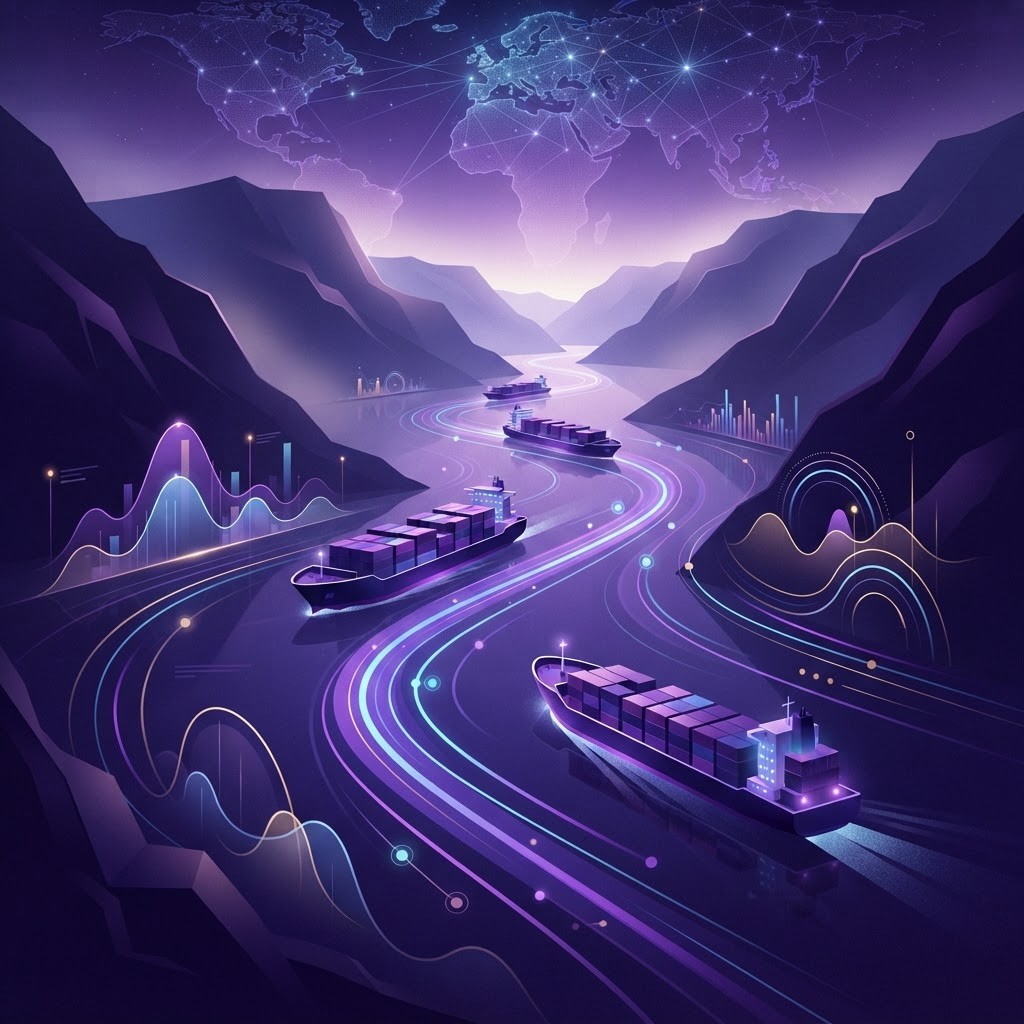
Why Shipping Matters So Much in Norway
Few nations depend on maritime logistics as heavily as Norway. With a coastline stretching more than 100,000 kilometres including its fjords and islands, and an economy built on seafood, energy, and manufactured goods, shipping is woven into the country's identity. Reliable freight movement connects remote coastal communities to major export markets and keeps supermarket shelves stocked from Kristiansand in the south to Kirkenes in the far north. Choosing the right shipping partner is therefore a strategic decision for any business operating in or trading with Norway.
The best shipping companies in Norway combine deep local knowledge of demanding weather and terrain with global reach. They understand the seasonal challenges of icy northern ports, the tight schedules of the seafood trade, and the strict environmental expectations that define modern Norwegian commerce.
Leading Shipping Companies Serving Norway
Wallenius Wilhelmsen is a globally recognised name with strong Norwegian roots, specialising in roll-on/roll-off transport of vehicles and high-and-heavy cargo. Its expertise in complex logistics makes it a preferred choice for industrial exporters.
Odfjell is a respected operator in the chemical tanker segment, known for safety-focused operations and a long heritage in specialised liquid cargo transport. Its disciplined approach to compliance appeals to customers with sensitive shipments.
Grieg Star and the broader Grieg group bring extensive experience in open-hatch and bulk shipping, serving industries such as forestry products and project cargo with a reputation for dependable service.
DFDS operates important freight and logistics links connecting Norway with the wider European network, blending sea routes with road distribution for seamless door-to-door delivery.
Bring, part of the Norwegian postal group, provides comprehensive logistics and freight solutions across the Nordic region, valued for its dense domestic network and integrated warehousing options.
Nor Lines and coastal specialists continue the tradition of the historic Norwegian coastal express, moving goods efficiently along the fjord-lined coast where road transport is impractical.
Global carriers such as Maersk and MSC also maintain a significant presence, offering container capacity and worldwide connectivity that Norwegian exporters rely on to reach distant markets.
What Sets the Best Apart
Top shipping companies distinguish themselves through reliability, transparency, and sustainability. Punctual sailings and accurate transit times matter enormously in a country where perishable seafood and time-sensitive components dominate exports. Digital tracking, clear documentation, and responsive customer support have become baseline expectations rather than premium features.
Environmental performance is another decisive factor. Norway is a world leader in green shipping, and leading operators invest heavily in battery-electric vessels, LNG propulsion, shore power connections, and hydrogen and ammonia pilot projects. Businesses increasingly select partners whose emissions profiles align with their own sustainability commitments.
Industry Trends Shaping Norwegian Shipping
The Norwegian shipping sector is at the forefront of the maritime energy transition. Government incentives, a robust cluster of maritime technology firms, and ambitious decarbonisation targets have made the country a testing ground for zero-emission vessels. Autonomous and remotely operated ships are also moving from concept to reality, promising safer and more efficient coastal transport.
Digitalisation is transforming how cargo is booked, tracked, and managed. Data-driven route optimisation reduces fuel consumption and improves punctuality, while integrated platforms give customers real-time visibility over their shipments. These innovations help offset the high operating costs associated with Norway's challenging geography.
How to Choose the Right Shipping Partner
When selecting a shipping company in Norway, consider the nature of your cargo, your required routes, and your tolerance for transit variability. Bulk exporters have different needs from e-commerce retailers, and coastal distribution demands specialists familiar with local ports. Ask about environmental credentials, insurance coverage, and the strength of a provider's domestic distribution network.
It is also wise to evaluate a company's track record for handling disruptions. Norway's weather can be unforgiving, and the best operators demonstrate resilience through contingency planning and flexible scheduling. A partner that communicates proactively during delays is often more valuable than one that is merely cheapest on paper.
Conclusion
Shipping remains the backbone of Norway's trade and coastal life, and the country is fortunate to host some of the most capable and forward-thinking operators in the world. From global specialists like Wallenius Wilhelmsen and Odfjell to integrated logistics providers such as Bring and DFDS, businesses have access to partners that combine reliability with genuine environmental leadership. By weighing cargo requirements, sustainability goals, and network strength, companies can find a shipping partner that keeps their goods moving smoothly across Norway's demanding but rewarding maritime landscape.