
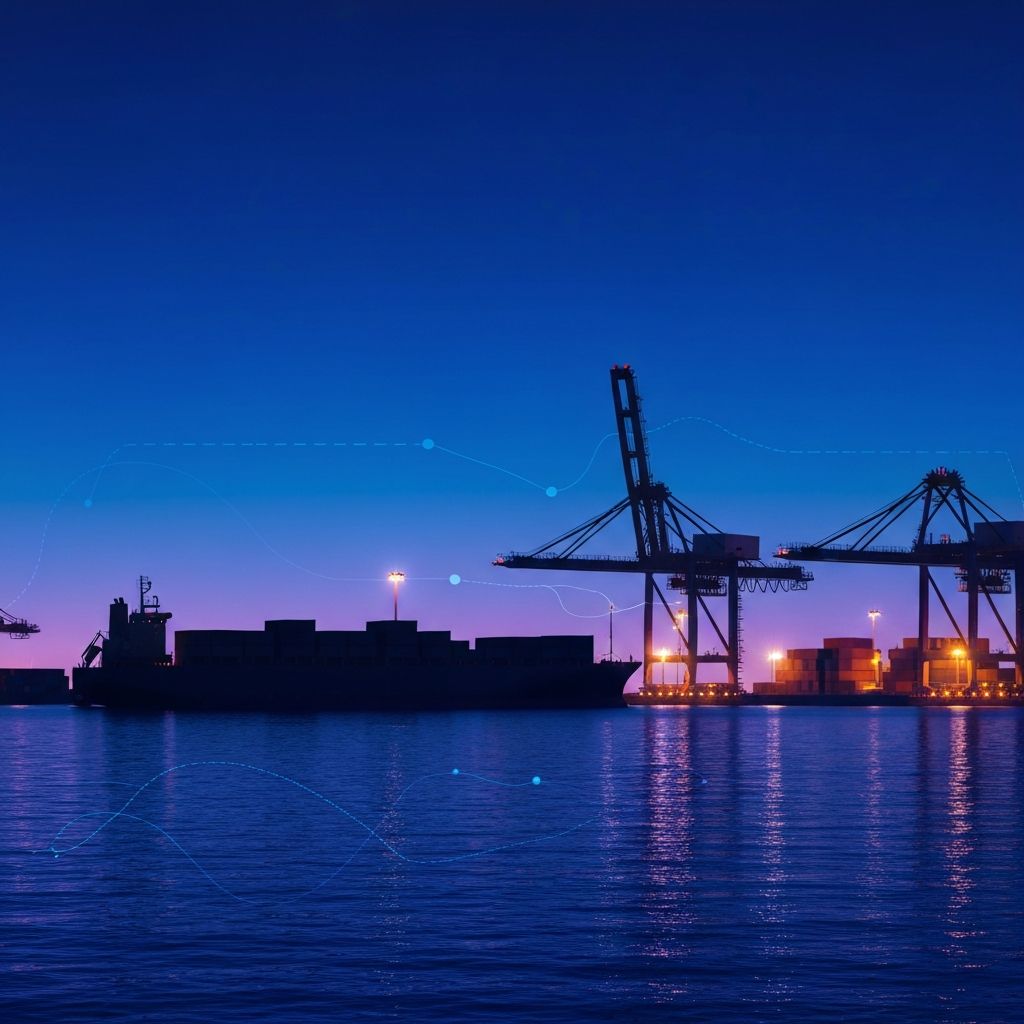
Egypt's Strategic Maritime Position
Few countries can match Egypt's maritime significance. The Suez Canal links the Mediterranean to the Red Sea and serves as one of the world's most important shipping routes. Major ports at Alexandria, Damietta, Port Said, Sokhna, and Safaga handle containers, bulk cargo, oil products, and passenger traffic. This unique geography has fostered a strong network of shipping companies that combine global expertise with deep local presence to serve importers, exporters, and transit traffic.
Top Shipping Companies in Egypt
Maersk Egypt is one of the world's largest container shipping lines and operates extensively in Egyptian ports. It offers liner services, inland transport, and integrated logistics solutions tailored to local industries.
MSC Egypt serves the country with one of the largest container capacities globally, connecting Egyptian ports to all major continents.
CMA CGM Egypt is a key player in container shipping, supporting agricultural exports, FMCG imports, and project cargo with a strong route network.
Hapag-Lloyd Egypt brings German engineering and reliability to Egyptian shippers, focusing on quality service and digital tools.
Evergreen Line Egypt connects Egypt to East Asian markets with a robust schedule of container services.
ONE (Ocean Network Express) Egypt provides containerized cargo solutions with strong coverage of Asia-Mediterranean and intra-regional trade lanes.
COSCO Shipping Egypt supports the strong Egypt-China trade relationship with extensive sailings and integrated logistics services.
Hutchison Ports Egypt operates major terminals and provides container handling, contributing to the efficiency of shipping lines calling at Egyptian ports.
National Navigation Company is one of Egypt's homegrown shipping operators with a long history in the regional maritime sector.
Egyptian International Shipping Lines rounds out the list with services tailored to Egyptian importers and exporters, including breakbulk and project cargo handling.
Core Maritime Services
Top shipping companies in Egypt offer a wide range of services beyond simple ocean transport. Container shipping covers FCL and LCL options, with weekly schedules to Europe, Asia, North America, and intra-Mediterranean ports. Bulk shipping moves cement, grains, fertilizers, and minerals critical to Egypt's economy.
Specialized services include reefer containers for fresh produce exports, project cargo for energy and infrastructure, and roll-on roll-off services for vehicles and rolling equipment. Many shipping lines also provide door-to-door logistics, customs clearance, and warehousing as integrated offerings.
The Suez Canal Advantage
The Suez Canal remains a cornerstone of Egypt's maritime profile. Shipping companies leverage canal transit, bunkering, and value-added services within the Suez Canal Economic Zone. Port Said and Sokhna terminals act as transshipment hubs, redistributing cargo to East Mediterranean, East African, and Red Sea destinations.
The Suez Canal Economic Zone also offers bonded warehousing, light manufacturing, and re-export opportunities, encouraging shipping lines to integrate logistics services with vessel operations.
Digitalization and Sustainability
Digital tools are reshaping shipping in Egypt. Online booking platforms, electronic bills of lading, and shipment tracking dashboards have become standard. Customs processes are increasingly digital, reducing dwell times and paperwork at ports.
Sustainability is gaining attention with the global push toward decarbonization. Shipping lines are introducing fuel-efficient vessels, slow steaming, and alternative fuels such as LNG. Egyptian ports are also investing in shore power, modern cranes, and greener terminal operations.
Choosing the Right Shipping Line
For exporters and importers in Egypt, selecting the right shipping partner requires evaluating route coverage, transit times, equipment availability, and port performance. Reliability of schedules, especially during peak seasons or geopolitical disruptions, is critical. Strong customer service, including knowledgeable local teams and clear communication, makes a significant difference for shippers.
Pricing alone should not be the only factor. Reliable transit times, equipment quality, and the ability to handle complex documentation often deliver more value than the lowest freight rate. Partnerships with experienced freight forwarders and customs brokers can further simplify the shipping process.
Industry Trends Shaping Egyptian Shipping
Several trends are shaping the future of shipping in Egypt. Nearshoring and supply chain diversification are increasing the importance of Egypt as a manufacturing and re-export base. Investment in deep-water ports allows larger vessels to call, reducing transshipment costs. Growing demand for cold-chain and pharmaceutical shipping is driving specialized service offerings.
Geopolitical events have also highlighted the strategic role of the Suez Canal and the need for resilient shipping networks. Egyptian operators and global lines are working closely with authorities to ensure smooth transit and contingency planning.
Looking Ahead
Egypt's shipping sector is on a strong growth trajectory. With expanding port capacity, deeper integration of digital systems, and sustainability initiatives, shipping companies operating in the country are well positioned to support both regional and global trade. Whether moving containers, bulk commodities, or project cargo, businesses can rely on a vibrant ecosystem of shipping lines that combine global capabilities with strong local presence.