
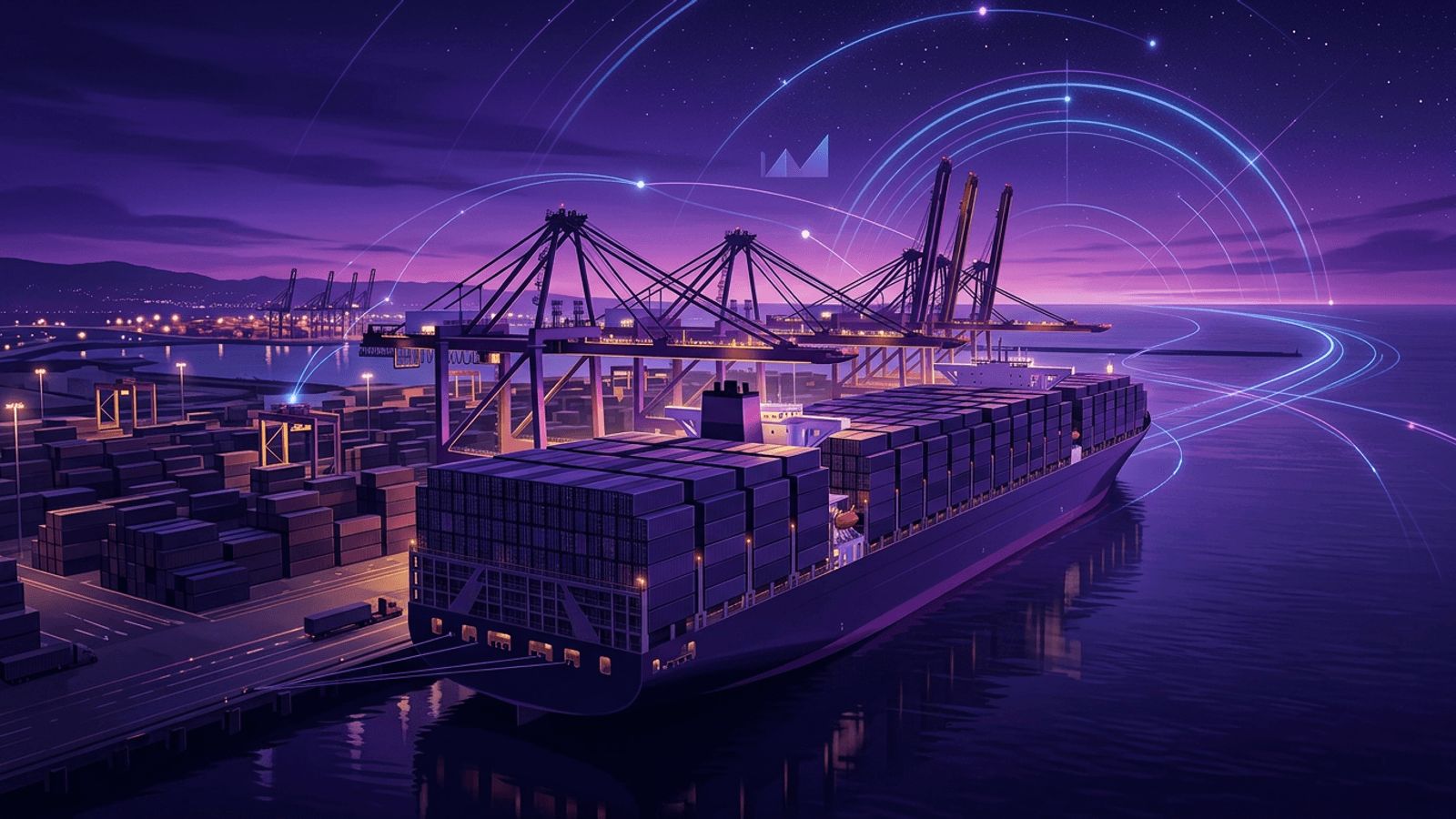
Global Shipping and the East Los Angeles Economy
The San Pedro Bay port complex, made up of the Port of Los Angeles and the Port of Long Beach, is the busiest container gateway in the Western Hemisphere. Every day, giant container ships unload goods from Asia and around the world. Those goods then travel by truck and rail through industrial corridors next to East Los Angeles. Shipping lines are the first link in this chain, so their reliability, capacity, and pricing directly affect local importers, exporters, and consumers.
Here are ten ocean shipping companies that play a leading role in the trade flows that support businesses in East Los Angeles and across Southern California.
1. Maersk
Maersk is one of the world's largest container shipping companies. It has transformed itself into an integrated logistics provider that offers ocean shipping, inland transportation, warehousing, and customs services. Its large presence at Southern California ports makes it a key partner for regional importers.
2. Mediterranean Shipping Company (MSC)
MSC has become the world's largest container shipping line by capacity. Its extensive global network and large fleet give shippers many routing options, including frequent trans-Pacific service to Los Angeles and Long Beach.
3. CMA CGM
CMA CGM is a major shipping group with a strong trans-Pacific presence and investments in terminals, logistics, and air cargo. Its APL brand has a long history in the Pacific trade, and its operations in Southern California support a wide range of customers.
4. COSCO Shipping
COSCO Shipping is one of the largest shipping companies in the world and a major carrier between China and the United States. Its services connect Southern California with major Asian manufacturing centers.
5. Hapag-Lloyd
Hapag-Lloyd is a leading German container line known for reliability and quality service. Its global network includes services connecting Southern California with Asia, Europe, and Latin America.
6. Ocean Network Express (ONE)
Ocean Network Express was formed by combining the container operations of three major Japanese shipping companies. Its recognizable magenta containers are a familiar sight at Southern California ports, and it offers extensive trans-Pacific services.
7. Evergreen Marine
Evergreen Marine is a Taiwan-based shipping company that operates some of the world's largest container ships. Its strong presence in trans-Pacific trade makes it an important carrier for Los Angeles-area importers.
8. Yang Ming Marine Transport
Yang Ming is another major Taiwanese carrier with regular service to Southern California. It is known for consistent schedules and a strong focus on Asia-North America trade lanes.
9. HMM
HMM, formerly Hyundai Merchant Marine, is South Korea's largest container shipping company. It has invested in large, fuel-efficient vessels and offers competitive services between Asia and the U.S. West Coast.
10. Matson
Matson is an American shipping company that is especially important for trade between the West Coast, Hawaii, Alaska, and Guam. Its expedited China-to-Long Beach service is known for fast transit times, which makes it popular with e-commerce and time-sensitive shippers.
How Shipping Impacts East Los Angeles
The flow of containers through Southern California ports creates thousands of jobs in trucking, warehousing, rail, and logistics, many of them filled by residents of East Los Angeles and nearby communities. At the same time, heavy freight traffic contributes to air quality challenges in neighborhoods near major corridors. Port clean-air programs, zero-emission terminal equipment, and shore power for ships at berth are helping reduce pollution. Community advocates continue to push for faster progress.
Small businesses in East Los Angeles, including importers of food products, clothing, furniture, and consumer goods, depend on reliable shipping to keep shelves stocked and prices competitive.
Shipping Trends in 2026
Ocean shipping is changing rapidly. Carriers are investing in ships powered by alternative fuels such as methanol and liquefied natural gas to meet international decarbonization goals. Digitalization is improving booking, documentation, and shipment visibility. Shippers are also diversifying supply chains, with growing trade from Southeast Asia, India, and Mexico, partly in response to tariffs and geopolitical uncertainty.
Port automation is another major trend, with automated terminals improving efficiency. These projects have also sparked discussions about workforce impacts and the future of longshore jobs.
Choosing a Shipping Partner
Most small and medium-sized businesses work with freight forwarders or non-vessel operating common carriers, which book space with shipping lines on their behalf. When evaluating options, compare transit times, schedule reliability, free time at terminals, and total landed cost, including drayage and customs fees. Larger shippers may negotiate service contracts directly with carriers for more predictable pricing and capacity.
Consider each carrier's environmental performance too. Many businesses now choose shipping partners partly based on emissions reductions and sustainability reporting.
Conclusion
The shipping lines calling at San Pedro Bay, including global leaders like Maersk, MSC, and CMA CGM and trans-Pacific specialists like Evergreen and Matson, form the foundation of Southern California's trade economy. For businesses and workers in East Los Angeles, these companies are closely connected to everyday economic life, linking the Eastside to markets around the world.