
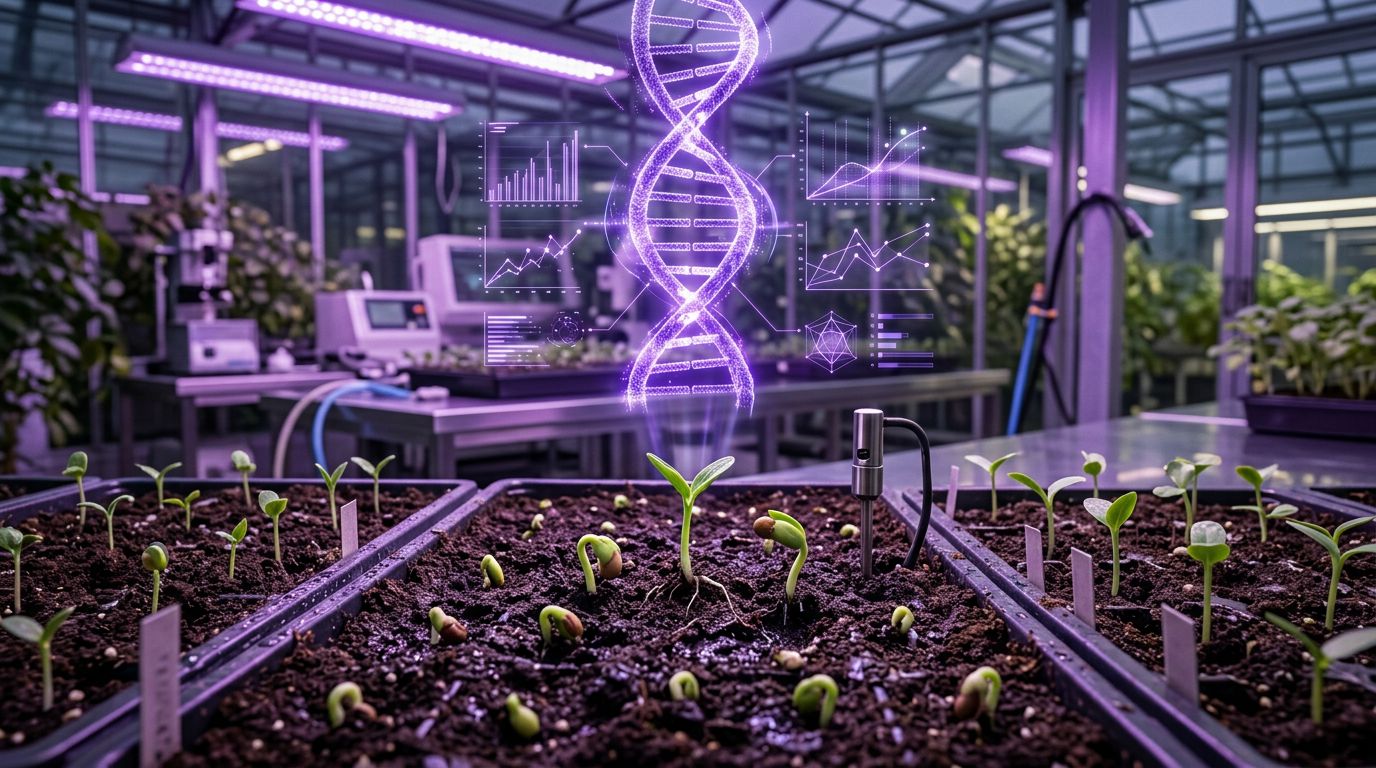
Why Seed Selection Matters in Santa Maria
The Santa Maria Valley produces broccoli, cauliflower, lettuce, celery, spinach, and many specialty vegetables on a nearly year-round schedule. Each planting window brings different weather conditions, pest pressures, and market demands. Selecting the right seed variety can determine whether a crop thrives or struggles.
Modern seed companies invest heavily in plant breeding to develop varieties with disease resistance, uniform maturity, improved shelf life, and better flavor. Many of these companies maintain research stations and trial plots in California's coastal valleys, allowing them to test varieties under local conditions. Their field representatives work closely with Santa Maria growers to recommend the best options for each season.
Top 10 Seed Companies Serving Santa Maria Growers
1. Bayer Vegetables (Seminis and De Ruiter)
Bayer's vegetable seed business, which includes the Seminis and De Ruiter brands, is one of the largest in the world. It offers broccoli, cauliflower, lettuce, peppers, and many other crops. Its breeding programs focus on disease resistance and yield stability, which are essential for intensive Central Coast production.
2. Syngenta Vegetable Seeds
Syngenta develops vegetable varieties that combine high yields with strong disease packages. Its lettuce, spinach, and brassica varieties are widely used in California. Syngenta also provides agronomic support and integrated crop protection recommendations.
3. Sakata Seed America
Sakata Seed America, headquartered in California, is a leading breeder of broccoli and other vegetables. Its broccoli varieties are well known for uniform heads, excellent quality, and adaptability to coastal growing conditions, making them a favorite in the Santa Maria Valley.
4. Enza Zaden
Enza Zaden is a family-owned Dutch seed company with significant operations in California. It is known for lettuce, spinach, and specialty vegetables. Its breeding emphasizes resistance to key diseases such as downy mildew and lettuce aphid challenges.
5. Rijk Zwaan
Rijk Zwaan is another respected Dutch breeder with a strong presence in California's salad industry. Its leafy greens, spinach, and specialty lettuce varieties support both fresh-cut processors and whole-head markets. The company collaborates closely with growers and processors.
6. Bejo Seeds
Bejo specializes in brassicas, carrots, onions, and other vegetables. It offers both conventional and organic seed options. Organic growers in the Santa Maria Valley value Bejo's commitment to organic seed production and breeding.
7. HM.Clause
HM.Clause provides a diverse portfolio of vegetable seeds, including lettuce, squash, tomatoes, and melons. Its research stations in California allow it to develop varieties suited to local conditions. Growers appreciate its technical support and innovative genetics.
8. Takii Seed
Takii is a Japanese seed company known for high-quality brassicas, spinach, and other vegetables. Its varieties offer excellent uniformity and quality. Takii's long breeding history supports reliable performance in challenging environments.
9. BASF Vegetable Seeds (Nunhems)
BASF's Nunhems brand delivers vegetable seeds across many crops, including lettuce, spinach, onions, and melons. Its breeding programs prioritize disease resistance, quality, and processing traits that meet the needs of fresh-cut salad producers.
10. Vilmorin-Mikado
Vilmorin-Mikado is part of a global seed group and offers vegetable varieties for both open field and protected production. Its lettuce, carrots, and specialty crops support diverse growing programs. The company combines international research with local trialing.
How Growers Choose Seed Varieties
Growers evaluate seed based on yield potential, disease resistance, maturity timing, and market requirements. A broccoli variety that performs well in summer may not be suited to winter plantings. Seed company representatives help growers compare varieties through trial plots and data from previous seasons.
Seed quality, including germination rates and purity, is also critical. Many growers work with transplant nurseries that start seedlings in greenhouses before planting them in the field. Strong relationships between seed companies, nurseries, and growers ensure consistent results.
Trends in the Seed Industry
Disease resistance remains a top breeding priority, particularly for downy mildew, Fusarium wilt, and soil-borne pathogens. Breeders are also focusing on flavor, nutrition, and shelf life to meet consumer expectations. Organic seed availability is expanding as organic acreage grows.
Advanced breeding technologies, including genomic selection and marker-assisted breeding, are accelerating the development of new varieties. Climate resilience is another key focus, as growers seek varieties that tolerate heat, drought, and variable weather patterns.
Frequently Asked Questions
Why do Santa Maria growers use transplants instead of direct seeding?
Transplants give crops a head start, improve stand uniformity, and allow more crop cycles per year. This is especially valuable for broccoli, cauliflower, celery, and strawberries.
Are organic seeds widely available?
Yes. Many leading seed companies now offer certified organic seed for popular crops, helping organic growers meet certification requirements and access improved genetics.
How are new varieties tested locally?
Seed companies plant replicated trials in cooperation with growers across different seasons, gathering data on yield, quality, and disease resistance before recommending varieties commercially.
Final Thoughts
The success of Santa Maria's agricultural industry begins with seed. The companies listed above invest in research, local trials, and grower support to deliver varieties that thrive on the Central Coast. By choosing the right genetics, growers can improve yields, reduce risk, and continue producing the high-quality crops that the valley is known for.