
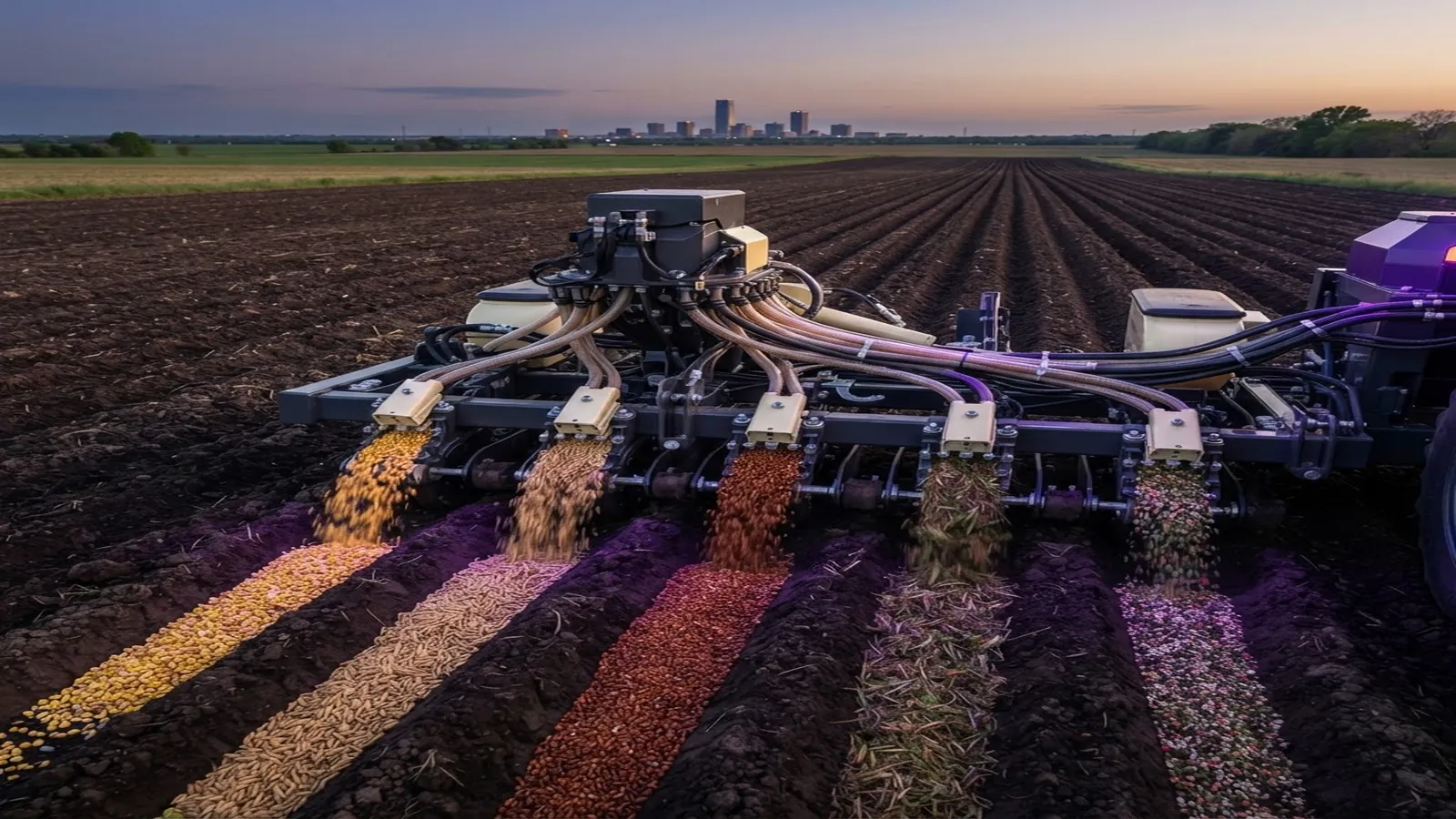
Seed Selection for Oklahoma Conditions
Seed decisions in central Oklahoma must account for heat, drought, wind, variable soils, disease pressure, and uncertain rainfall. Wheat and forage remain central, while sorghum, corn, cotton, cover crops, turf, and garden varieties all have important niches. The most useful seed company combines strong genetics with accurate regional recommendations, transparent treatment information, and dependable supply.
1. Johnston Seed Company
Oklahoma-based Johnston Seed Company supplies native grasses, pasture and forage seed, cover crops, wildlife mixes, turf products, and reclamation varieties. Its regional focus is especially valuable for ranches, conservation work, roadsides, and land restoration. Buyers benefit from species recommendations grounded in Southern Plains growing conditions.
2. Oklahoma Genetics
Oklahoma Genetics connects producers with crop varieties developed and tested for the state and surrounding region. Its work is closely associated with improved wheat genetics and locally relevant performance. Regionally adapted seed can provide meaningful advantages in disease resistance, maturity, grazing potential, and end-use quality.
3. Douglass King Seeds
Douglass King Seeds serves Texas, Oklahoma, and neighboring markets with grasses, forages, cover crops, wildlife seed, and restoration mixes. Its range suits ranchers, land managers, and contractors working in challenging climates. Technical guidance on planting rate, season, soil preparation, and intended use adds practical value.
4. Warner Seeds
Warner Seeds is known for sorghum, forage, and related crop genetics suited to the Plains. Grain and forage sorghum can offer resilience where water limitations make other crops difficult. Producers should compare maturity, standability, disease packages, yield data, and harvest or grazing plans.
5. Pioneer
Pioneer offers corn, soybean, sorghum, canola, and other seed through local representatives and dealers. Its research scale and agronomic support are key strengths. Oklahoma City-area growers should rely on localized trial results and select hybrids that fit planting date, moisture profile, and management intensity.
6. DEKALB
DEKALB is widely recognized for corn and sorghum genetics, with trait packages and agronomic positioning across varied environments. Strong performance depends on selecting the right product rather than simply choosing the newest one. Stewardship requirements, refuge rules where applicable, and seed treatment details should be understood before planting.
7. Dyna-Gro Seed
Dyna-Gro offers crop seed through agricultural retailers, including corn, sorghum, cotton, soybeans, and forages depending on market availability. Its retailer-based model can pair seed choice with fertility and crop-protection planning. Local plot data and the experience of a trusted agronomist should guide selection.
8. Native American Seed
Native American Seed specializes in native grasses and wildflowers suited to the Southern Plains. Its products are relevant for prairie restoration, erosion control, pollinator habitat, and low-input landscapes. Establishing natives requires patience and careful site preparation, making clear instructions and appropriate regional mixes important.
9. SiteOne Landscape Supply
SiteOne serves landscape professionals with turfgrass seed, erosion-control materials, fertilizers, and related supplies. Oklahoma City contractors and property managers may value access to commercial quantities and products designed for managed landscapes. Turf selection should reflect sun, irrigation, traffic, maintenance, and Oklahoma's transition-zone climate.
10. Botanical Interests
Botanical Interests provides vegetable, herb, and flower seed for home and market gardeners. Detailed growing information and broad variety choice make it useful for Oklahoma City gardeners planning spring and fall crops. Heat tolerance, days to maturity, and succession planting are particularly important in the local climate.
How to Compare Seed Quality
Review germination, purity, test date, lot number, treatment, and weed-seed disclosures on the label. For field crops, compare replicated local trials across several years rather than relying on one exceptional season. Ask about replant policies, storage conditions, technical support, and availability of the same variety for future acres. For native mixes, verify that species match the soil and project goal.
Emerging Seed Trends
Drought tolerance, disease resistance, biological seed treatments, cover-crop diversity, and digital variety placement are receiving more attention. Yet good agronomy still begins with a clean seedbed, correct planting depth, calibrated equipment, and realistic moisture expectations. Oklahoma City growers can reduce risk by splitting acres among proven varieties and carefully chosen new genetics. The best seed partner will explain both potential and limitations, helping customers build a plan rather than merely sell a bag.