
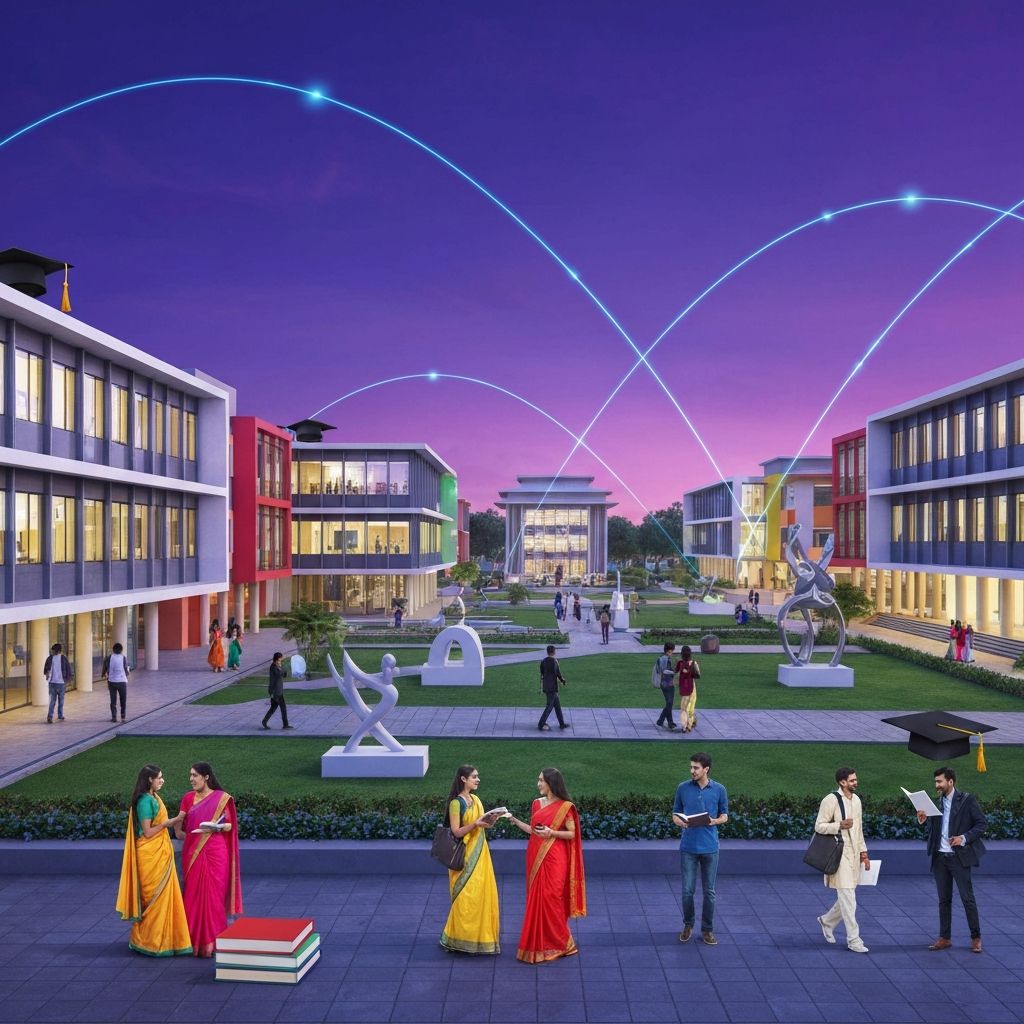
The Indian Education Landscape
India has a rich and diverse education system that spans government schools, private institutions, international boards, residential boarding schools, and progressive new-age schools. With a young population, growing aspirations, and rapid socio-economic change, choosing the right school has become one of the most important decisions families make. The top schools in India are recognized not just for academic results but also for character building, sports, arts, leadership, and a global outlook.
Leading schools combine strong curricula, experienced educators, modern infrastructure, and a culture of inquiry and creativity. They follow boards such as CBSE, ICSE, state boards, IB, and Cambridge, and many integrate values, life skills, and community service into their programs.
Top 10 Best Schools in India
1. The Doon School, Dehradun – A legendary all-boys boarding school known for its disciplined academic environment, leadership development, and a long list of distinguished alumni who have shaped Indian public life and global industries.
2. Mayo College, Ajmer – One of India's oldest and most prestigious boys' boarding schools, Mayo College offers a blend of strong academics, sports, and traditional values within a historic and inspiring campus setting.
3. The Lawrence School, Sanawar – Set in the scenic Himalayas, this co-educational boarding school emphasizes academic excellence, sports, outdoor education, and character development, with a strong sense of tradition and community.
4. Welham Girls' School, Dehradun – A renowned all-girls boarding school known for academic rigor, leadership programs, and a powerful focus on empowering young women to excel in diverse fields.
5. La Martiniere College, Lucknow / Kolkata – With historic campuses in Lucknow and Kolkata, La Martiniere is famed for academic excellence, sports, and a strong tradition of producing accomplished alumni across industries.
6. Delhi Public School, R.K. Puram – One of the flagship branches of the DPS network, this school is widely respected for its strong academics, vibrant co-curricular programs, and consistent record of producing high-performing students.
7. The Cathedral and John Connon School, Mumbai – A prestigious co-educational school in Mumbai known for academic excellence, strong values, and a long heritage of nurturing leaders in business, arts, and public service.
8. The Bishop Cotton Boys' School, Bengaluru – A historic institution that emphasizes academic excellence, sports, and character development, the school has earned a strong reputation for shaping generations of accomplished alumni.
9. Sanskriti School, New Delhi – Known for its progressive teaching approach, strong academics, and focus on values, Sanskriti is one of Delhi's most respected co-educational schools.
10. Modern School, Barakhamba Road, New Delhi – With a long heritage, strong academics, vibrant cultural and sports programs, Modern School is one of the most prestigious schools in the capital, producing distinguished alumni across fields.
What Makes a Great School
Top schools in India share several common attributes. They have strong leadership and experienced faculty who understand both academic content and child development. Their curricula go beyond textbooks, encouraging critical thinking, problem-solving, creativity, and collaboration. They invest in infrastructure such as well-equipped science and technology labs, libraries, sports facilities, performing arts spaces, and digital learning tools.
Equally important is a holistic approach that balances academics with sports, arts, music, debate, community service, and outdoor education. Mental health, inclusion, anti-bullying policies, and student well-being are increasingly prioritized in leading institutions. Strong communication with parents and a vibrant alumni network add long-term value.
Trends Shaping Indian Schools
The Indian school system is undergoing significant transformation. The National Education Policy has encouraged a shift toward conceptual learning, multidisciplinary thinking, and flexibility in subject choices. Schools are integrating technology through smart classrooms, learning management systems, and digital content while continuing to focus on foundational literacy and numeracy.
International boards like IB and Cambridge are growing in popularity among families seeking global exposure, while many top Indian board schools are matching them with rigorous programs and global partnerships. Skills like coding, robotics, design thinking, entrepreneurship, and financial literacy are being introduced at younger ages. Sustainability, mindfulness, and social-emotional learning are also gaining importance.
Choosing the Right School for Your Child
Selecting a school is a deeply personal decision that depends on many factors. Parents should consider the school's values, teaching philosophy, curriculum, faculty quality, infrastructure, and proximity to home. Boarding versus day schooling is another major choice, with boarding schools offering immersive experiences and day schools allowing closer family involvement.
Other important factors include class size, student-teacher ratio, opportunities for sports and arts, support for children with diverse learning needs, and the school's track record in board exams and competitive admissions. Visiting the campus, meeting teachers, and observing students can offer valuable insights beyond rankings and brochures.
The Future of Schooling in India
The future of Indian schools will be shaped by personalization, technology, and a stronger focus on life skills and well-being. Hybrid learning models, AI-driven assessments, adaptive content, and global virtual classrooms will complement traditional teaching. Schools will increasingly emphasize creativity, ethics, and resilience, preparing students for a world of rapid change.
At the same time, the deep traditions of Indian education, including respect for teachers, value-based learning, and a sense of community, will continue to define what makes Indian schools special. Leading institutions will blend heritage with innovation to nurture confident, compassionate, and capable young people.
Conclusion
The best schools in India are far more than centers of academic instruction. They are vibrant communities where young minds are shaped, talents are discovered, friendships are forged, and futures are built. Whether a family is drawn to historic boarding schools, prestigious day schools, or progressive international institutions, the country offers a rich choice of options. By selecting a school that aligns with their child's needs and values, parents can lay a strong foundation for a lifetime of learning and growth.