
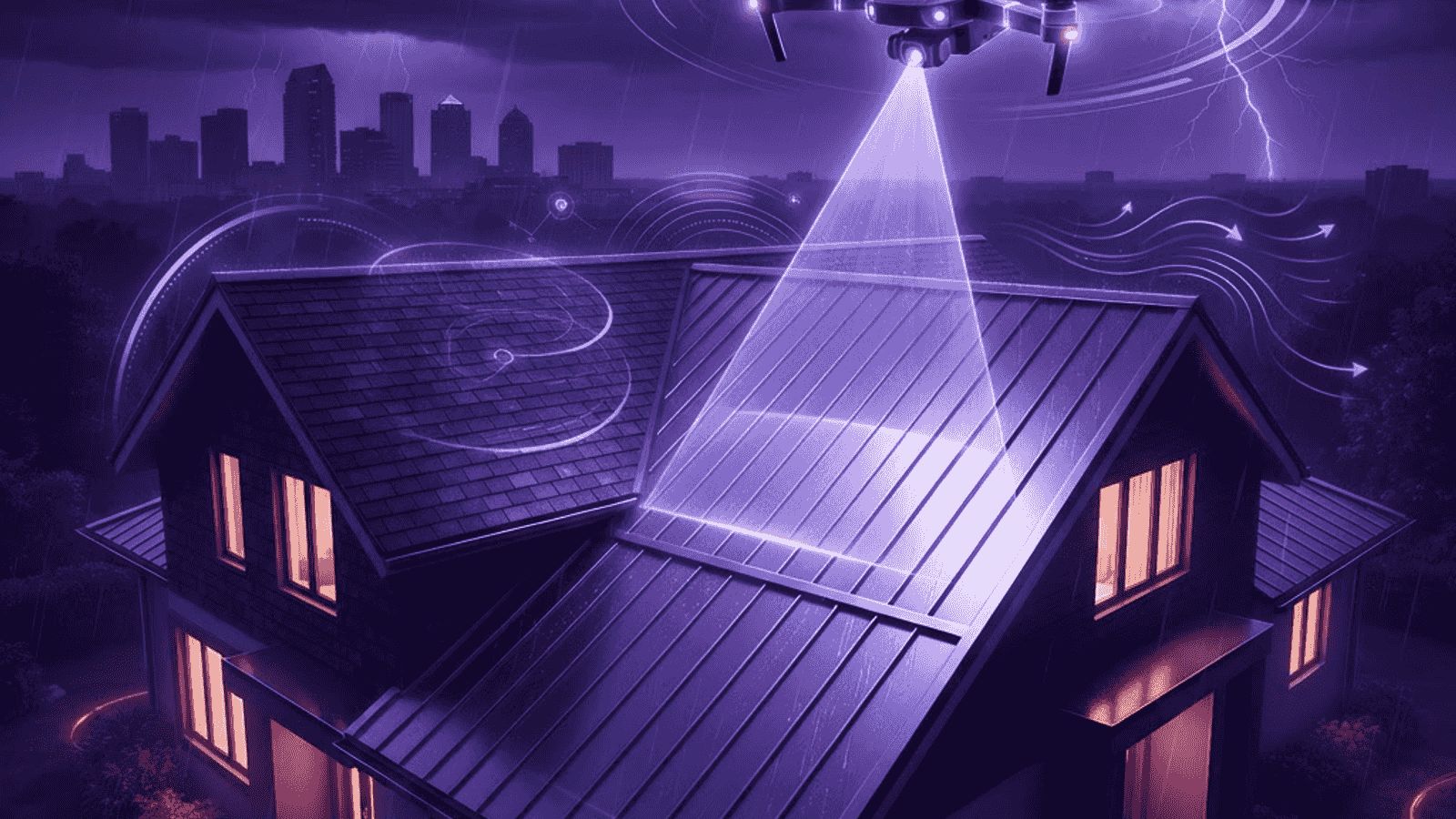
Why Roofing Is the Most Consequential Home Project in Tampa
Nowhere in the country does a roof work harder than in coastal Florida. Tampa roofs face relentless ultraviolet exposure, sustained heat, daily summer thunderstorms with wind-driven rain, and the periodic threat of hurricane-force gusts. On top of that, roof condition directly determines home insurability in Florida. Carriers routinely require roof inspections, and a roof approaching the end of its service life can trigger non-renewal or steep premium increases.
That combination makes roofing the single highest-stakes exterior project a Tampa homeowner undertakes. It also explains why the market attracts both excellent specialists and opportunistic operators who surge in after major storms.
Understanding Materials in the Tampa Climate
Architectural asphalt shingles remain the most common choice, offering a balanced cost and typically twenty to thirty years of realistic service life in Florida heat, which is shorter than in cooler climates. Metal roofing — standing seam and stone-coated steel — has grown rapidly because of wind performance, longevity that can exceed forty years, and reflectivity that reduces cooling load. Concrete and clay tile suit Mediterranean and Spanish architecture common in parts of Tampa and last decades, though weight requires adequate structural capacity and underlayment becomes the real service-life limiter. Flat and low-slope roofs over additions and modern homes use modified bitumen, TPO, or spray-applied systems, where detailing at penetrations matters more than the membrane brand.
The underlayment and fastening system deserve as much attention as the visible surface. Florida Building Code requirements for secondary water barriers, sealed decking, and nailing patterns have strengthened considerably, and quality contractors treat these as the core of a wind-resistant assembly rather than a checkbox.
Ten Roofing Companies With Strong Tampa Reputations
1. Rentz Roofing — Long-standing Tampa Bay contractors of this profile handle residential re-roofs and repairs with an emphasis on code compliance and documented workmanship warranties.
2. Kidd Roofing — Regional companies with substantial crews and manufacturer certifications can execute large re-roofs quickly, which matters when insurance deadlines are involved.
3. Zoller Roofing — Established Gulf Coast roofers with tile and metal expertise serve homeowners in architecturally distinctive neighborhoods where material matching matters.
4. Ridgeline Roofing and Restoration — Restoration-oriented contractors specialize in storm damage assessment and insurance claim documentation, an important capability after named storms.
5. Westfall Roofing — Companies with strong service-department structures excel at repairs and maintenance rather than only full replacements, which is valuable for extending a roof's remaining life.
6. Code Engineered Systems — Contractors emphasizing engineering-led approaches focus on wind uplift resistance, proper attachment, and permit-ready documentation for coastal exposure zones.
7. Gulf Coast Metal Roofing Specialists — Metal-focused installers bring the panel fabrication and flashing skill standing seam systems demand, where poor detailing causes most failures.
8. Tampa Tile Roof Experts — Tile-specific crews handle relays, broken tile replacement, and underlayment renewal without unnecessary full replacement, preserving expensive material.
9. Commercial and Flat Roof Contractors — Providers serving low-slope residential additions, condo buildings, and commercial properties work in membrane systems requiring different training than steep-slope shingle work.
10. Manufacturer-certified installers — GAF Master Elite, Owens Corning Platinum, and similar certifications require verified insurance, licensing, and training, and they unlock enhanced system warranties that standard installers cannot offer.
Non-Negotiable Verification Steps
Confirm the company holds an active Florida certified or registered roofing contractor license and verify it directly rather than trusting a business card. Require proof of general liability and workers' compensation insurance, since roofing injuries are the most common source of homeowner liability exposure in construction. Ensure a permit will be pulled through the appropriate Hillsborough County or City of Tampa authority, and that inspections will be completed and recorded.
Understand the two distinct warranties: the manufacturer's material warranty and the contractor's workmanship warranty. Workmanship coverage of five to ten years signals genuine confidence; one year is minimal. For insurance purposes, request a completed wind mitigation inspection after the project, which often produces meaningful premium credits.
Red Flags After a Storm
Storm chasers appear quickly in Tampa following hurricanes and severe thunderstorms. Warning signs include unsolicited door-knocking with pressure to sign immediately, offers to waive or absorb the insurance deductible, which is illegal in Florida, requests for large upfront payments, out-of-state license plates with no local address, and contracts that assign your insurance benefits without clear explanation.
Legitimate contractors will inspect thoroughly, photograph findings, provide a written scope, work through the permitting process, and communicate realistic timelines rather than promising immediate starts during peak demand.
Maintenance That Extends Roof Life
Have the roof inspected annually and after any significant storm. Keep gutters and valleys clear, since standing debris holds moisture against materials. Trim overhanging limbs that abrade shingles and drop organic matter. Address soft or discolored ceiling spots immediately, as small flashing leaks cause disproportionate interior damage in humid conditions. Ensure attic ventilation is unobstructed, because excessive attic heat cooks shingles from below and shortens service life measurably in Florida.
Conclusion
The best roofing services in Tampa combine proper licensing, manufacturer certification, code fluency, honest assessment, and warranties they intend to honor. Given the direct connection between roof condition and insurance availability in Florida, this is the wrong project to award on price alone. Verify credentials, insist on documentation, and choose a contractor whose work will still be protecting the house a decade of storm seasons from now.