
Why Roofing Here Is Not Standard Roofing
A roof in Oyster Bay works harder than a roof twenty miles inland. Sustained coastal wind lifts and flexes edges continuously, which means perimeter detailing and fastening patterns matter as much as the field material. Nor'easters drive rain horizontally, defeating any system that relies on gravity alone and exposing every weakness in flashing, valleys, and penetrations. Winter brings freeze-thaw cycling that opens small gaps into real ones, and ice damming along eaves on homes with older insulation and ventilation.
Salt air adds a chemical dimension. Uncoated steel fasteners corrode, aluminium flashing pits, and unprotected metal at chimneys and valleys degrades far faster than manufacturer literature implies. Serious local contractors specify stainless or coated fasteners, heavier gauge flashing, and marine-appropriate metals, and they will explain why when asked.
Housing stock complicates matters further. The area includes genuine slate and cedar roofs on historic homes, complex rooflines with multiple valleys and dormers, and low-slope sections over additions and porches that require entirely different systems from the adjacent pitched areas. A single property often needs three approaches, and contractors who only install asphalt shingles are not equipped for that.
Ten Roofing Contractors Worth Evaluating
Harbor Roofing Company is a full-service residential roofer handling tear-off and replacement in architectural asphalt, with manufacturer certification allowing extended system warranties and in-house crews rather than subcontracted labour.
Sagamore Slate and Tile Restoration specializes in historic slate, clay, and tile roofs, performing selective repair, matching salvaged material, and rebuilding copper flashing and valleys on period homes.
North Shore Cedar Roofing concentrates on wood shake and shingle installation and restoration, including proper ventilation detailing and treatment schedules that determine whether a cedar roof lasts twenty years or forty.
Mill Pond Flat Roof Systems focuses exclusively on low-slope work, installing single-ply membrane and modified bitumen over additions, porches, and garages, with attention to drainage design and termination detailing.
Cove Metal Roofing installs standing-seam and metal shingle systems in coastal-appropriate finishes, which have gained substantial local traction for wind resistance and service life.
Bayville Storm Damage and Emergency Roofing provides rapid response for active leaks and wind damage, including tarping, temporary stabilization, documentation for insurers, and expedited permanent repair.
Theodore Street Roofing and Gutters combines roofing with gutter, leader, and drainage work, treating water management as a single system rather than separate trades, which resolves many recurring leak complaints.
Locust Valley Estate Roofing serves large and architecturally complex properties, coordinating multi-system roofs across main houses and outbuildings with project management and phased scheduling.
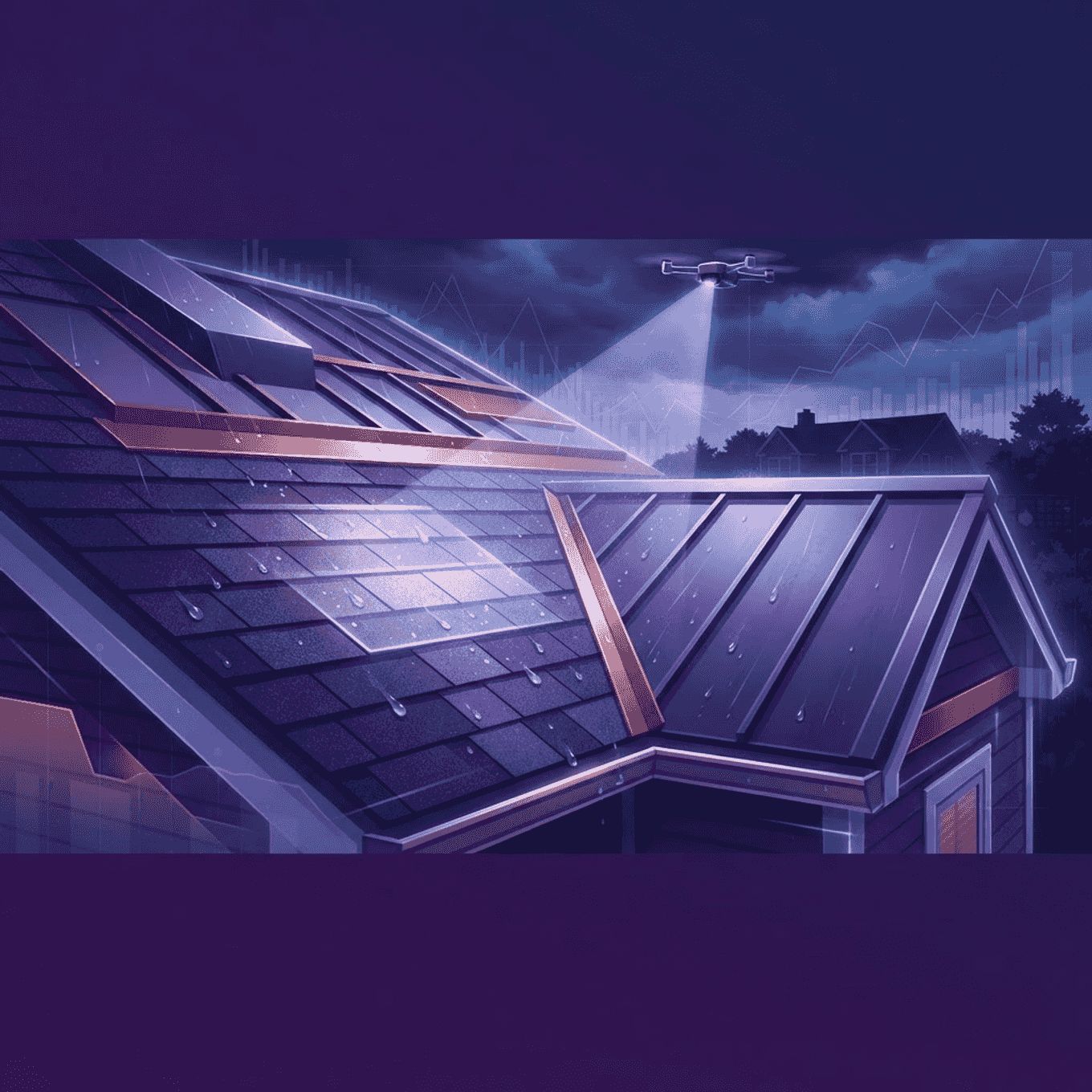
Oyster Bay Roof Inspection Services operates as an assessment specialist, providing independent condition reports, drone survey, moisture scanning, and remaining-life estimates without selling replacement work.
Tidewater Coastal Roofing completes the list with a waterfront focus, specifying high-wind fastening patterns, upgraded underlayment, stainless fasteners, and corrosion-resistant flashing for maximum exposure properties.
Material Choices and Realistic Service Life
Architectural asphalt shingles remain the default for good reason: reasonable cost, wide colour selection, straightforward repair, and a realistic service life of twenty to thirty years in this climate when properly installed and ventilated. Wind rating matters more here than elsewhere, and the difference between standard and high-wind installation is fastener count and pattern rather than product.
Standing-seam metal costs substantially more upfront and delivers forty to sixty years with excellent wind performance and no granule loss. Its drawbacks are cost, the need for skilled installation, and expansion detailing that unskilled crews get wrong.
Slate is the longest-lived option, capable of a century or more, and is architecturally correct on many local historic homes. It requires structural capacity, specialist labour, and repair rather than replacement thinking. Cedar offers unmatched appearance and reasonable longevity if ventilated properly and maintained, but it is unforgiving of poor detailing in humid coastal conditions. Low-slope membrane systems deliver twenty to thirty years and depend almost entirely on installation quality at seams and terminations.
Repair, Overlay, or Full Replacement
Selective repair is appropriate when damage is localized, the field material has remaining life, and the underlying deck is sound. Chasing repairs on a roof past its service life, however, is money spent to defer an inevitable expense while risking interior damage.
Overlaying new shingles atop old is permitted in some circumstances and is almost always a false economy on the coast. It conceals deck condition, adds weight, shortens the new roof's life through heat retention, and prevents proper underlayment and flashing renewal, which is where most leaks actually originate.
Full tear-off allows deck inspection and repair, new ice-and-water underlayment at eaves and valleys, renewed flashing, and corrected ventilation. Ventilation deserves specific attention, because inadequate intake and exhaust airflow causes premature shingle failure and ice damming, and it is the most commonly skipped element in cheap bids.
Insurance Claims and Storm Damage
Storm-related roof claims are common locally and frequently mishandled. Document conditions before storms if possible, and photograph damage immediately afterward, including interior water evidence. Report promptly, since delay invites disputes about causation.
Be cautious with contractors who appear immediately after a storm offering to handle your claim entirely, particularly those pressing you to sign assignment of benefits documents. Reputable local firms will document damage, meet the adjuster, and provide detailed scope, but they will not ask you to surrender control of your claim. Never allow anyone to suggest exaggerating damage; that is fraud and the homeowner bears the consequence.
Vetting a Roofing Contractor
Verify licensing, general liability, and workers compensation coverage, and request certificates directly from the insurer rather than accepting a photocopy. Roofing carries the highest injury rate of any residential trade, and an uninsured fall on your property becomes your exposure.
Compare bids on scope rather than price. A proper proposal specifies tear-off layers, deck repair allowance, underlayment type and coverage, ice-and-water placement, flashing replacement versus reuse, ventilation work, fastener specification, drip edge, and cleanup and disposal. Bids that omit these are not comparable to bids that include them.
Ask about warranty structure carefully. Manufacturer material warranties are common; manufacturer system warranties requiring certified installation are stronger; and the contractor's own workmanship warranty is what actually covers installation error. A ten-year workmanship warranty from a company with twenty years of local operating history is worth more than a fifty-year paper warranty from a firm founded last spring.
Trends in Local Roofing
Metal has moved from niche to mainstream for wind and longevity reasons. Synthetic underlayments have largely replaced felt, offering better tear resistance and temporary weather protection. Impact-rated and high-wind shingle systems are increasingly specified as insurers recognize them. Drone and infrared inspection now allow accurate assessment without walking fragile roofs. And solar readiness is a growing consideration, with homeowners coordinating roof replacement timing against future panel installation to avoid paying twice for removal and reinstallation.
Making the Decision
A roof protects everything beneath it, and the cost of a poor installation is not the roof price but the framing, insulation, plaster, and finishes that water destroys afterward. Get three detailed proposals, insist on scope clarity, verify insurance, and choose a contractor with a physical local presence and a service history you can check. The firms on this list have kept water out of North Shore homes through repeated nor'easters, which is the only credential that ultimately matters.