
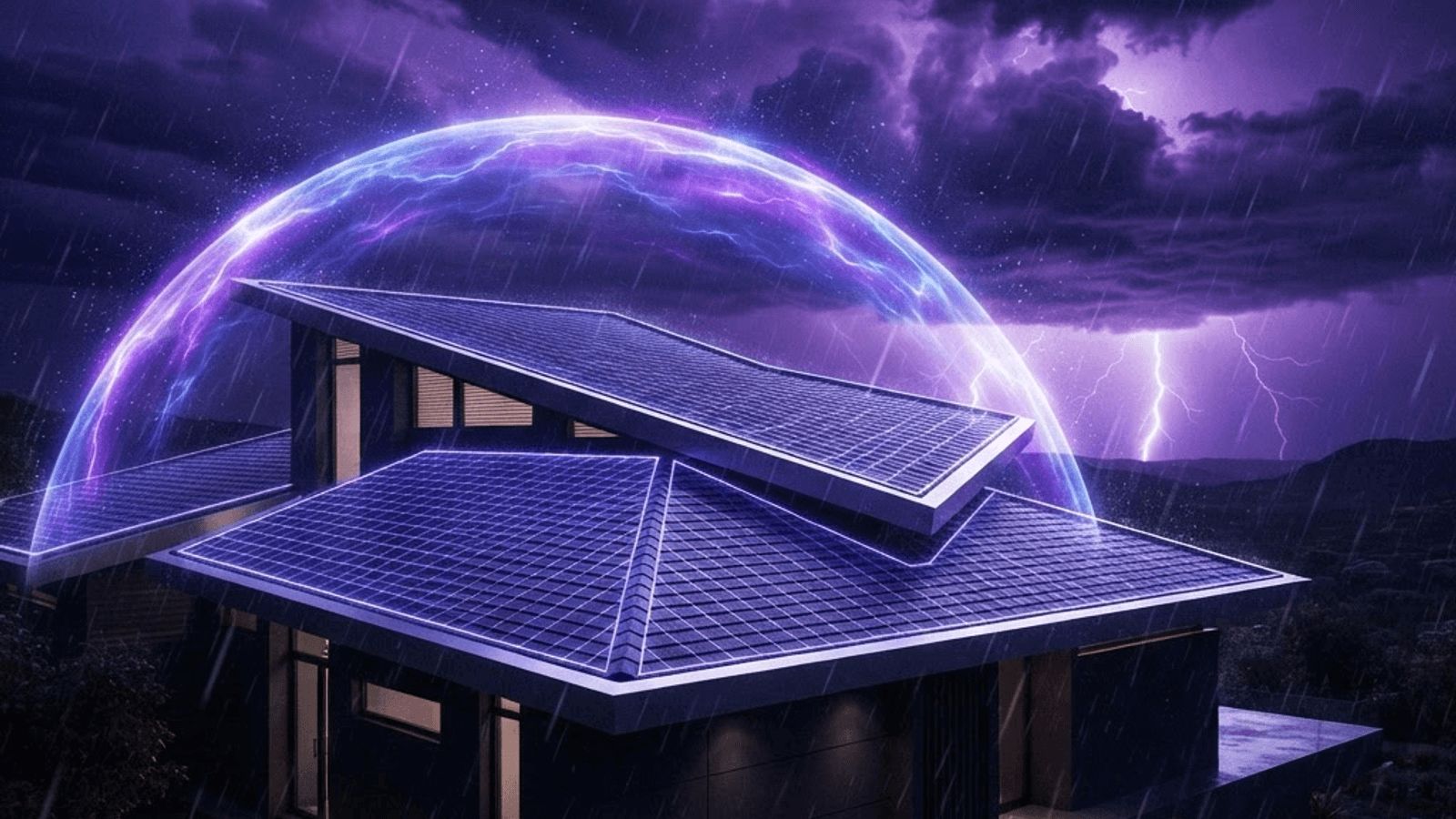
Grand Prairie sits inside one of the most hail-prone regions in the United States. North Texas regularly experiences severe spring storms capable of producing hail large enough to fracture asphalt shingles, dent metal flashing, and compromise roof decking in a matter of minutes. Combine that with summer surface temperatures that can exceed one hundred and sixty degrees on a dark roof, and it becomes clear why roofing is treated as a serious structural investment here rather than routine maintenance.
Roof failure rarely announces itself dramatically. It begins with granule loss, lifted shingle edges, cracked sealant around penetrations, or a small stain on a ceiling. By the time water appears indoors, damage has often extended to insulation, decking, and framing. Understanding the local roofing market is therefore one of the more valuable things a Grand Prairie homeowner can do.
Why Roofing Quality Matters in North Texas
A roof is a system rather than a surface. It includes decking, underlayment, ice and water barriers at vulnerable areas, flashing, ventilation, and the visible covering. Failure at any layer undermines the whole assembly. Ventilation deserves particular attention in this climate, since inadequate attic airflow accelerates shingle aging from beneath and raises cooling costs substantially.
Material selection also carries regional weight. Impact-resistant shingles rated Class 4 can reduce storm damage and frequently qualify homeowners for insurance premium discounts. Metal roofing offers exceptional longevity and reflectivity, while tile suits certain architectural styles but requires adequate structural capacity.
The Top 10 Roofing Services in Grand Prairie
1. Prairie Ridge Roofing
An established local contractor known for thorough inspections and detailed photographic documentation. Their reports distinguish cosmetic wear from functional damage, which helps homeowners avoid unnecessary replacement.
2. Lone Star Storm Restoration
Specializes in hail and wind damage claims, working alongside adjusters to document impact evidence properly. Experience with claim documentation often determines whether a legitimate claim is approved or denied.
3. Trinity Metal Roofing Specialists
Focused on standing seam and exposed fastener metal systems, including proper expansion detailing that many general roofers handle poorly. Metal installation is a distinct craft, and specialization matters.
4. Metroplex Certified Roofing Contractors
Holds manufacturer certifications that allow them to offer extended system warranties covering both materials and workmanship. These enhanced warranties typically require verified installation standards.
5. Grand Prairie Commercial Roofing
Serves flat and low-slope commercial properties with TPO, modified bitumen, and coating systems. Their expertise includes drainage correction, a frequent source of failure on commercial buildings.
6. Reliable Residential Roof Repair
Concentrates on targeted repairs rather than full replacement, addressing leaks, flashing failures, and isolated storm damage. A valuable option when a roof retains substantial remaining service life.
7. Elite Roofing and Exteriors
Coordinates roofing with gutters, siding, windows, and fencing, which is efficient after a major storm event that damages multiple exterior components simultaneously.
8. Sunbelt Energy Efficient Roofing
Emphasizes reflective materials, radiant barriers, and ventilation upgrades aimed at reducing summer cooling load. In a climate with long cooling seasons, these measures produce measurable utility savings.
9. Heritage Tile and Slate Roofing
Works with clay tile, concrete tile, and slate, including repairs on older properties where matching existing profiles requires specialized sourcing and careful handling.
10. Neighborhood Roofing Company
A smaller local operation praised for direct owner involvement, clean job sites, and thorough final walkthroughs. Homeowners who value accountability often prefer this scale of contractor.
How to Evaluate a Roofing Contractor
- Verify insurance certificates directly with the carrier, including general liability and workers compensation
- Ask whether the crew is employed or subcontracted, and who supervises daily work
- Request a detailed written scope covering tear-off, decking inspection, underlayment, flashing, and ventilation
- Compare workmanship warranty length separately from manufacturer material warranty
- Be cautious of contractors who appear immediately after a storm with high-pressure tactics or offers to absorb your deductible
Storm Damage and Insurance Considerations
After a significant hail event, document conditions promptly with dated photographs and request an independent inspection before filing. Understand your policy structure, particularly whether it provides replacement cost or actual cash value coverage, since that single distinction can shift out-of-pocket cost by thousands of dollars. Reputable contractors assist with documentation but never claim to handle the claim on your behalf or waive deductibles, which is prohibited in Texas.
Industry Trends
Impact-resistant materials continue to gain market share as insurers reward their use. Drone-based inspection has become standard practice for reputable firms, improving safety and producing better documentation. There is also growing interest in integrated solar and cool-roof strategies as energy costs rise across the region.
Final Thoughts
Roofing decisions in Grand Prairie should be made with a long horizon. The lowest bid frequently reflects thinner underlayment, reused flashing, or skipped ventilation work that shortens system life considerably. Choose a contractor with verifiable insurance, manufacturer credentials, a written scope, and a meaningful workmanship warranty. A properly installed roof protects not only the structure beneath it but every other investment you have made in your home.