
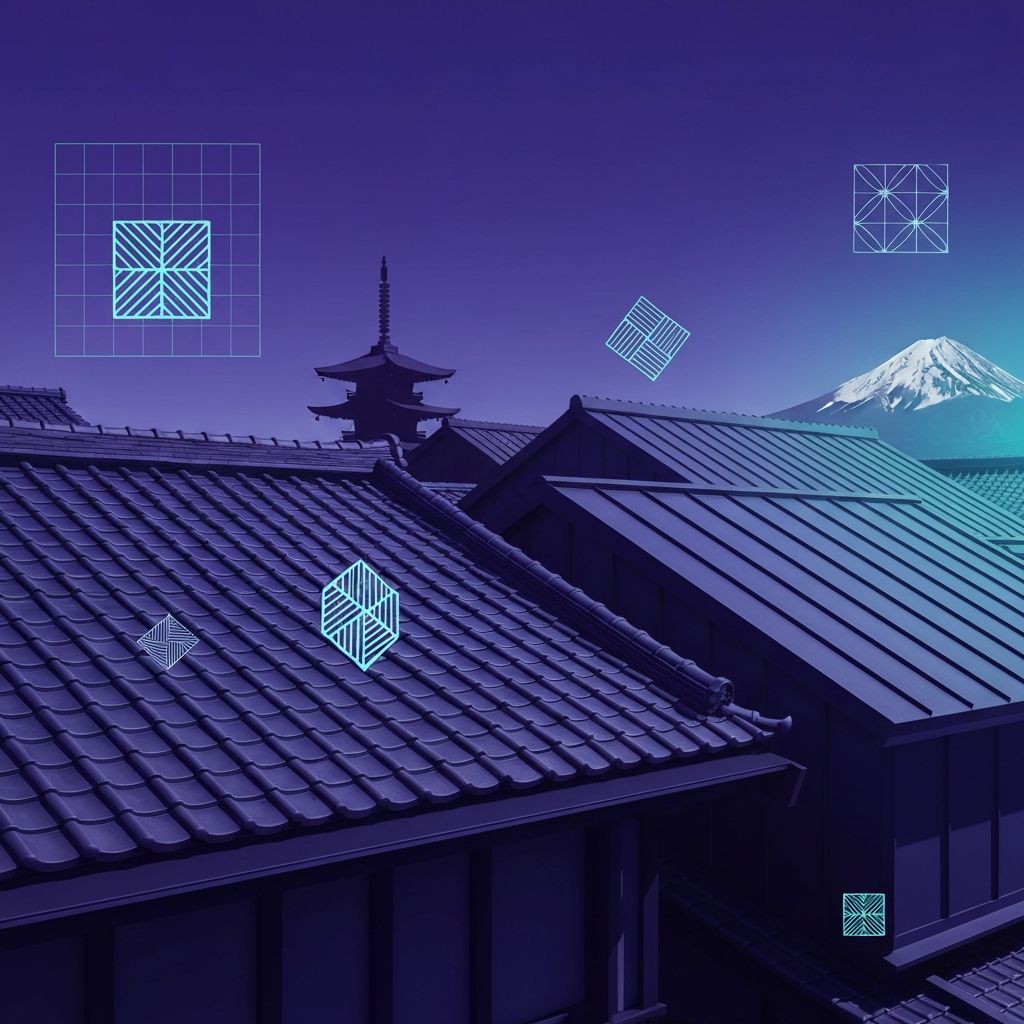
The Importance of Quality Roofing in Japan
Roofing in Japan is far more than a finishing touch. Heavy snowfall in Hokkaido and Tohoku, frequent typhoons in the south, and persistent earthquake risk nationwide all demand roofing systems engineered for durability and safety. Japanese roofing contractors blend centuries-old craft traditions, like the elegant kawara tile, with modern materials such as galvalume steel and high-performance underlayments. Below are ten of the most respected roofing contractors in the country.
Tsuruya Roofing
Tsuruya is a long-established roofing specialist known for traditional Japanese tile work as well as modern metal roofing. The company is frequently called upon for temple restorations and high-end residential projects where craftsmanship is paramount.
Yane-Yasan Honpo
Yane-Yasan Honpo operates a nationwide network of roofing professionals and offers fast inspection, repair, and replacement services. Its standardized service model has made it a go-to choice for homeowners seeking reliability and clear pricing.
Sankin Co., Ltd.
Sankin is a leading manufacturer and installer of metal roofing systems, with widespread use of its proprietary panels in commercial, industrial, and agricultural buildings. The company is praised for fast installation and long warranty coverage.
Maruichi Roofing
Maruichi specializes in residential roofing, with a focus on lightweight materials that reduce seismic loads. The firm offers detailed energy-saving consultations and frequently integrates ventilated roofing systems to extend lifespan.
Sumitomo Forestry Crest
Part of the Sumitomo Forestry group, Crest provides premium roofing for high-end homes built by its parent company and partners. Its roofs are tightly integrated with whole-house design, ensuring harmony between architecture, structure, and weatherproofing.
Tategu Yamagishi
Tategu Yamagishi is known for skilled craftsmanship in heritage roofing, including thatched and traditional tiled roofs. The company has worked on shrines, machiya townhouses, and protected cultural properties.
Roof Partner Co., Ltd.
Roof Partner is a modern, customer-focused roofing contractor that emphasizes transparent inspections, photo-based reporting, and detailed estimates. It has earned a strong reputation among homeowners replacing aging roofs.
Nittetsu Coated Sheet Corporation
Nittetsu manufactures advanced coated steel roofing materials and works closely with installation partners across Japan. Its products are widely used in factories, warehouses, and large-scale public buildings.
Yanekobo
Yanekobo blends design and durability, offering roofing options that complement contemporary architecture. The firm's portfolio includes minimalist residential builds where the roof is treated as a key visual element.
Kanamori Roofing
Kanamori is a regional leader in northern Japan, where heavy snowfall demands specialized engineering. The company designs reinforced roofs with controlled snow-shedding patterns, helping prevent ice dams and structural overload.
Common Roofing Materials in Japan
Traditional kawara clay tiles remain popular for their aesthetics and longevity, but they are heavy and can be vulnerable in earthquakes if poorly fastened. Modern alternatives include lightweight ceramic tiles, galvalume steel sheets, and stone-coated metal tiles, each offering different combinations of cost, weight, and lifespan. Asphalt shingles are less common than in Western markets but are gaining traction for their affordability and ease of installation.
Maintenance and Lifespan
A high-quality roof in Japan can last 30 to 60 years depending on materials and maintenance. Most contractors recommend a thorough inspection every 5 to 10 years, with attention to flashing, fasteners, and ridge caps. Repainting metal roofs every 10 to 15 years can significantly extend their useful life and prevent corrosion.
Choosing the Right Roofing Contractor
Look for contractors with experience in your region's specific climate, valid licensing, and clear written warranties. Reputable firms will provide drone or photographic surveys, detailed material specifications, and itemized quotes. They should also be willing to explain why a particular system is appropriate for your home or building. The best contractors view roofing as a long-term partnership, not a one-time transaction, and stand behind their workmanship for decades to come.