
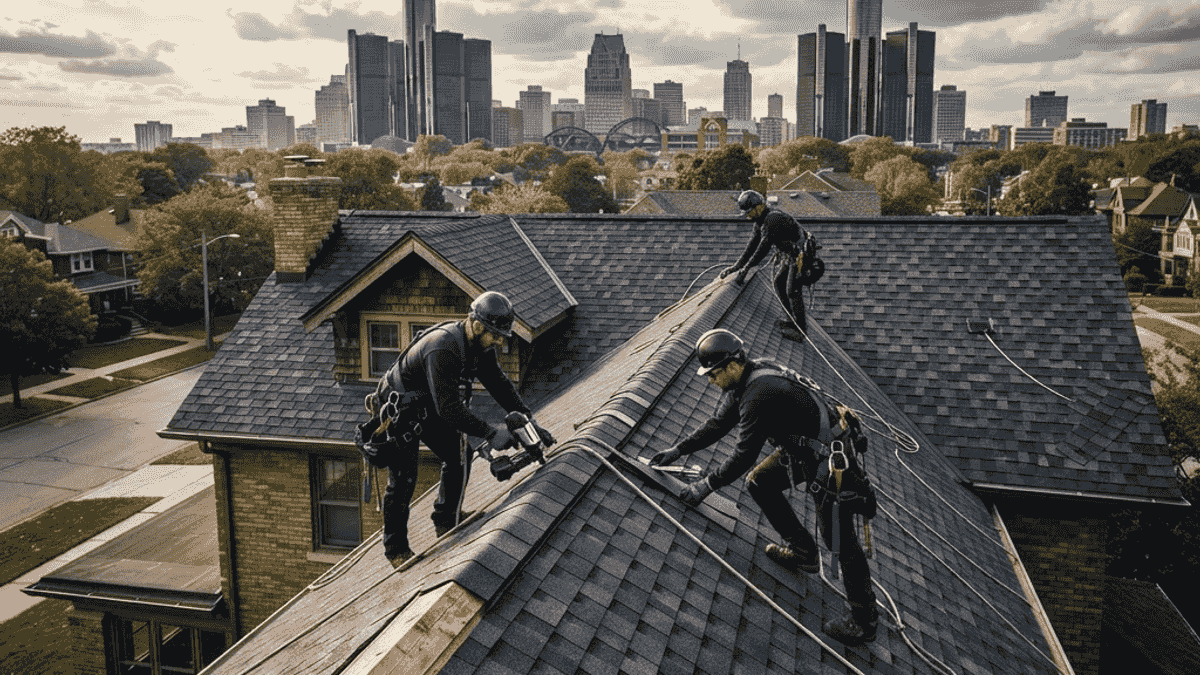
Why Roofing Quality Matters in Detroit
Detroit roofs endure a lot. Heavy snowfall, ice dams, spring rains, summer heat, and constant freeze-thaw cycles place enormous stress on roofing systems. A poorly installed or aging roof can lead to leaks, structural damage, and costly interior repairs. That is why choosing an experienced, reputable roofing contractor is one of the most important decisions a Detroit property owner can make.
The city's mix of historic homes, modern residences, and commercial buildings means roofing needs vary widely. The best contractors bring the versatility to handle steep-slope shingle roofs, flat commercial membranes, and specialty materials, all while accounting for Michigan's harsh conditions.
What Defines a Top Roofing Contractor
Leading roofing companies combine skilled installation with strong warranties and honest assessments. They begin with a thorough inspection, clearly explain the condition of your roof, and recommend repair or replacement based on your best interest rather than the largest possible sale. Transparent estimates and detailed contracts give homeowners confidence in the process.
Craftsmanship is critical. Proper flashing, ventilation, underlayment, and fastening determine how long a roof will last and how well it will perform. Established Detroit contractors employ trained crews, follow manufacturer specifications, and maintain the safety standards that protect both workers and property.
Roofing Materials and Options
Asphalt shingles remain the most popular choice for their affordability and reliability, while metal roofing is gaining traction for its longevity and energy efficiency. Flat and low-slope commercial buildings often use single-ply membranes such as TPO and EPDM. The best contractors help clients weigh cost, durability, appearance, and energy performance to select the right system.
Trends in the Roofing Industry
Energy-efficient and cool-roof technologies are increasingly popular as owners seek to reduce cooling costs. Improved ventilation and insulation strategies help combat ice dams, a common Detroit problem. Many contractors now offer detailed digital inspections and drone assessments, providing clients with a clear picture of their roof's condition without unnecessary risk.
Choosing the Right Roofing Partner
Verify that any contractor is licensed, insured, and experienced with your roof type. Ask about manufacturer certifications, warranty coverage, and cleanup practices. Request references and review completed projects when possible. Be cautious of unusually low bids or high-pressure sales tactics, especially after storms, and always insist on a written contract.
Planning Your Detroit Project
Before contacting providers, write down the result you want, the boundaries of the work, and any deadline that truly matters. Gather photographs, plans, inspection reports, and relevant property records so prospective teams can evaluate the same information. This preparation produces more comparable proposals and helps specialists identify risks early. Detroit projects may involve city reviews, historic-district considerations, utility coordination, or weather-dependent scheduling, so ask who will manage each requirement and how it appears in the timeline.
Budget planning should include more than the headline price. Request an itemized proposal that separates labor, materials, equipment, permits, disposal, and optional upgrades. Keep a reasonable contingency for concealed conditions, especially in older Detroit properties where previous alterations may not be visible during an initial visit. The lowest estimate is not automatically the best value; a complete scope, dependable materials, qualified workers, and responsive project management can prevent expensive corrections later.
Questions to Ask Before Hiring
A productive interview reveals how a company operates when conditions change. Ask who will supervise the work, how often updates are provided, and how change orders are documented and approved. Confirm whether employees or subcontractors perform specialized tasks and how the company verifies their qualifications. It is also sensible to ask about recent projects of similar scale, expected lead times, safety procedures, warranties, and the process for resolving a concern after completion.
References are most useful when the projects resemble your own. Ask former clients whether the provider maintained the schedule, protected the property, communicated unexpected findings, and honored the final agreement. Verify current licensing and insurance directly when those credentials apply to the trade. A professional company should welcome careful questions and answer them without vague promises or pressure.
Getting Long-Term Value
The strongest result comes from evaluating lifetime value rather than initial expense alone. Durable materials, correct installation, efficient systems, and documented maintenance can lower ownership costs well beyond project completion. Request product information, warranty records, inspection approvals, and care instructions for your files. These documents simplify future maintenance and may support insurance claims or a property sale.
Good clients also contribute to successful delivery. Provide timely decisions, maintain clear access to the site, and communicate concerns through the agreed point of contact. Review milestones before payments are released and complete a detailed final walkthrough. When expectations, responsibilities, and documentation remain clear from the beginning, Detroit property owners and project teams are far more likely to achieve a safe, attractive, and durable outcome.
Conclusion
Detroit's best roofing contractors deliver the durability and peace of mind that come from expert workmanship. By choosing a licensed, reputable team that uses quality materials and stands behind its work, you can protect your property against the elements for many years to come.