
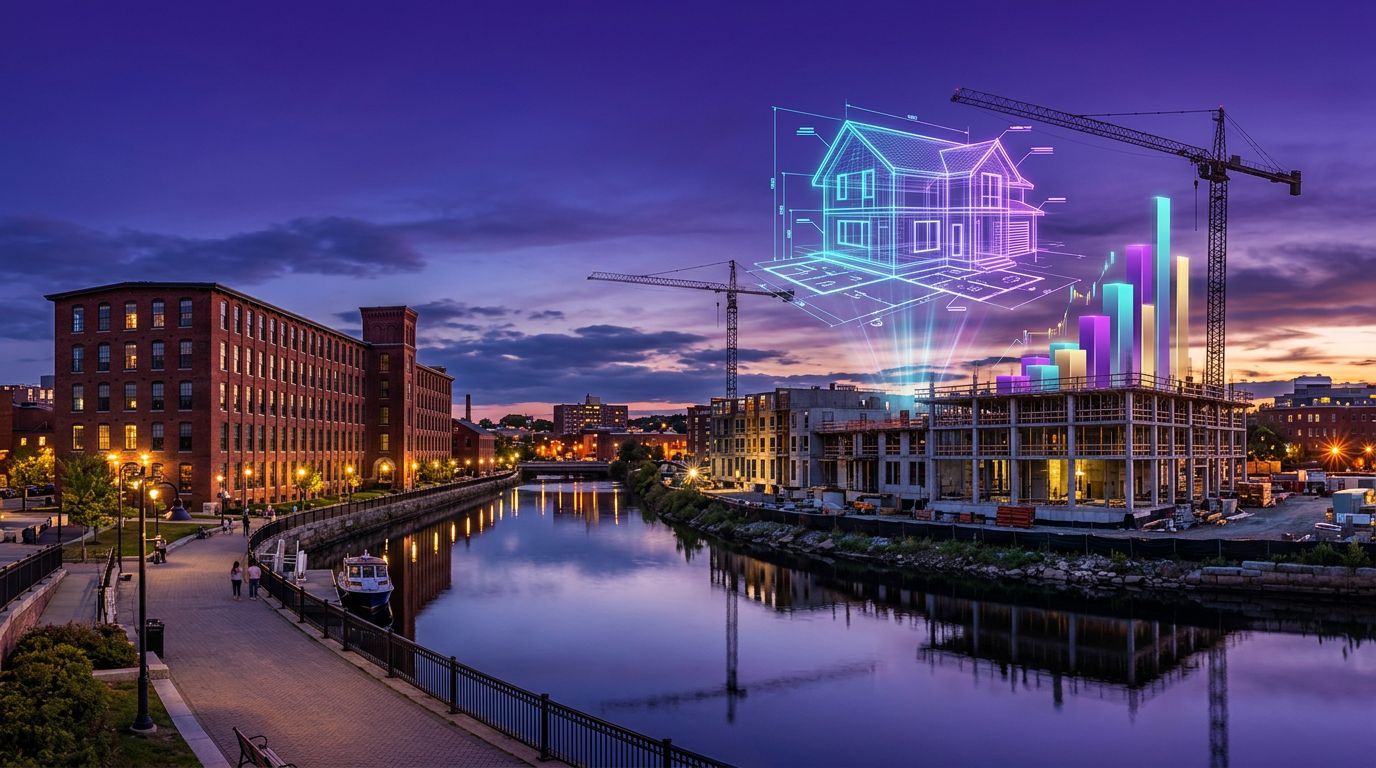
Lowell's Residential Development Renaissance
Few cities in New England have reinvented themselves as dramatically as Lowell. Once the cradle of the American Industrial Revolution, the city's vast brick textile mills sat largely empty for decades after manufacturing declined. Over the past thirty years, visionary developers have transformed many of these historic structures into loft apartments, condominiums, and mixed-use communities. At the same time, new construction projects and infill housing have expanded options for students, families, professionals, and seniors.
Lowell's location along major highways and the commuter rail line to Boston, combined with comparatively more attainable housing costs, has made the city an attractive choice for residents priced out of the inner Boston market. This demand has fueled a steady pipeline of residential projects throughout the city.
What Distinguishes Top Residential Developers
The best developers combine design quality, construction excellence, respect for historic character, and a commitment to community impact. They work closely with city officials and neighborhood groups, integrate sustainable building practices, and balance market-rate housing with affordable options that keep Lowell accessible to longtime residents.
The Top 10 Best Residential Real Estate Developers in Lowell
1. Trinity Financial
Trinity Financial is a Boston-based developer known for transformative mixed-income projects. In Lowell, it played a major role in redeveloping historic mill properties near the Hamilton Canal area, creating quality housing that honors the city's industrial heritage while serving a range of income levels.
2. WinnCompanies
WinnCompanies is one of the nation's most experienced developers and managers of multifamily housing, including historic rehabilitation projects. Its work in Lowell includes mill conversions that brought hundreds of residential units to the downtown area, helping revitalize the city center.
3. Coalition for a Better Acre
The Coalition for a Better Acre is a community development corporation dedicated to the Acre neighborhood and beyond. It develops and preserves affordable housing, supports first-time homebuyers, and invests in community programs, making it a vital force for equitable growth.
4. Princeton Properties
Based in the Merrimack Valley, Princeton Properties develops and manages apartment communities throughout the region. Its properties are known for well-maintained grounds, modern amenities, and responsive management, appealing to renters seeking comfort and convenience.
5. Habitat for Humanity Greater Lowell
Habitat for Humanity Greater Lowell builds and rehabilitates homes in partnership with families who contribute sweat equity. Its affordable homeownership model helps working families build stability and wealth while strengthening neighborhoods.
6. Common Ground Development Corporation
This local nonprofit developer focuses on affordable rental housing and neighborhood stabilization in Lowell. Its projects often involve rehabilitating older buildings, preserving the character of established neighborhoods while improving housing quality.
7. Lupoli Companies
Lupoli Companies is known for ambitious mill redevelopment projects across the Merrimack Valley. Its mixed-use approach combines residential units with retail, office, and dining space, creating vibrant live-work-play environments.
8. Toll Brothers
As a national luxury homebuilder, Toll Brothers has a strong presence in suburban Massachusetts communities surrounding Lowell. Buyers looking for new single-family homes and townhouses with premium finishes often explore its communities in the region.
9. Pulte Homes
Pulte Homes builds thoughtfully designed single-family and active adult communities across greater Boston. Its focus on functional floor plans and energy-efficient construction appeals to growing families and downsizing seniors alike.
10. Mill City Residential Partners
Smaller local development firms play an important role in Lowell's housing market by converting multifamily buildings, developing condominiums, and completing infill projects. Their deep local knowledge allows them to identify opportunities in neighborhoods such as Belvidere, Centralville, and the Highlands.
Key Trends in Lowell Residential Development
Adaptive reuse remains the signature trend of Lowell's housing market. Historic mills offer high ceilings, exposed beams, and large windows that appeal to modern renters and buyers. The Hamilton Canal Innovation District continues to attract investment as a mixed-use neighborhood near downtown and transit. Massachusetts' MBTA Communities zoning requirements are also encouraging more multifamily housing near train stations, which is expected to increase density around the Lowell commuter rail stop.
Sustainability is increasingly important, with developers incorporating energy-efficient systems, electric vehicle charging, and green building certifications. Affordable housing preservation remains a central priority as rising rents put pressure on longtime residents.
What Buyers and Renters Should Consider
When evaluating a new development, research the developer's track record, construction quality, and management reputation. Consider proximity to transit, schools, parks, and employment centers. For condominiums, review homeowner association finances and rules. Renters should ask about included amenities, parking, and lease flexibility.
The Future of Housing in Lowell
With continued growth at UMass Lowell, expanding life sciences and technology employers, and ongoing investment downtown, demand for housing in Lowell is expected to remain strong. Developers who balance growth with affordability and historic preservation will shape the city's next chapter.
Conclusion
Lowell's residential developers have turned a historic industrial city into a dynamic place to live. From large-scale mill conversions to community-driven affordable housing, the firms on this list are building homes that reflect both the city's proud past and its promising future.