
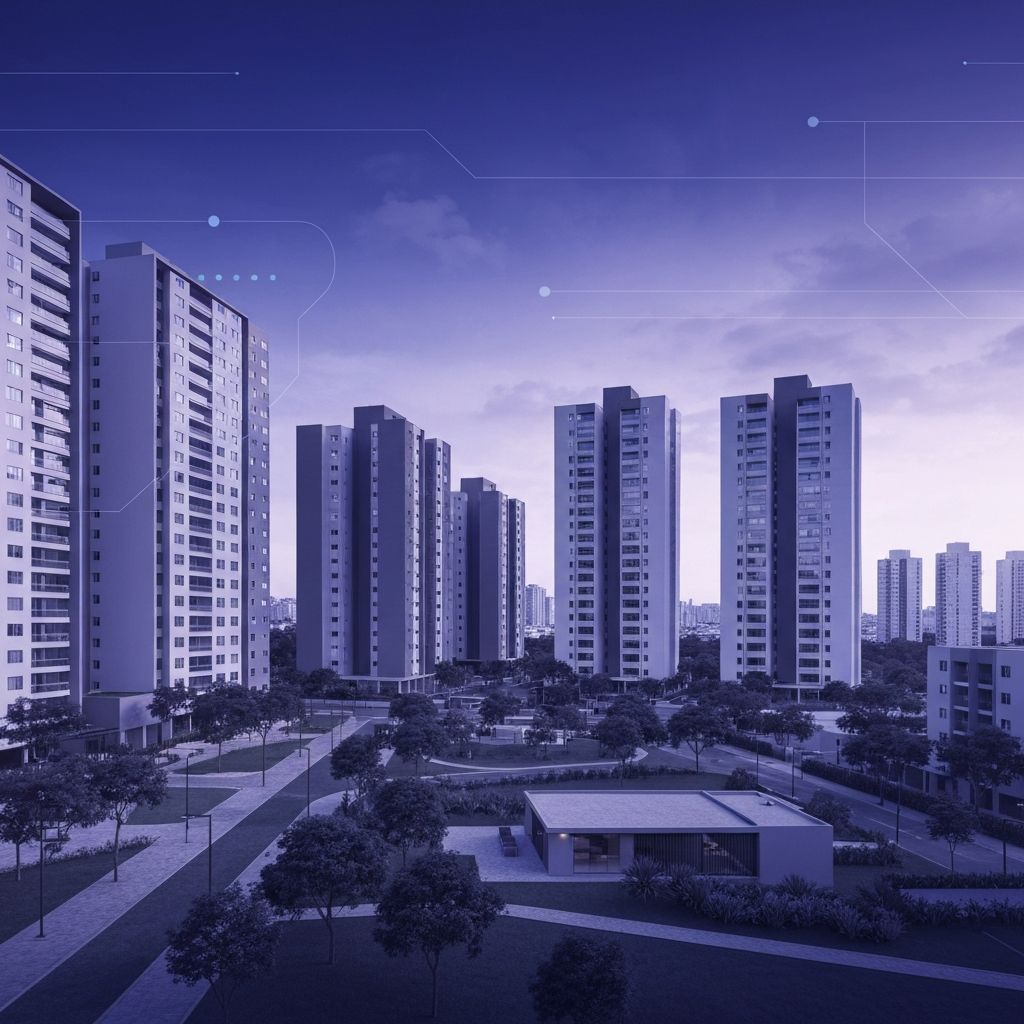
Building Brazilian Homes
Residential construction is one of the most active sectors in Brazil's economy, driven by population growth, urbanization, and persistent housing demand. From luxury condominiums in São Paulo to affordable housing developments serving working families, residential builders shape the way Brazilians live. The industry combines architectural creativity, engineering precision, and large-scale project execution to deliver homes for all market segments.
1. MRV Engenharia
MRV is Brazil's largest residential builder by volume, specializing in affordable apartment communities for working-class families. Operating in over 160 cities, MRV has delivered hundreds of thousands of units, primarily through Brazil's social housing programs. Their efficient construction methods and standardized designs allow them to produce quality homes at scale.
2. Cyrela Brazil Realty
Cyrela is synonymous with premium residential development in Brazil, focusing on high-end apartments in prime urban locations. Their projects feature distinctive architecture, quality materials, sophisticated amenities, and prestigious addresses that appeal to affluent buyers seeking exceptional homes.
3. Even Construtora
Even Construtora delivers mid-to-high-end residential developments in major urban markets including São Paulo. Their projects balance architectural innovation, quality construction, and thoughtful amenities, attracting buyers who value design and lifestyle features in their homes.
4. Tenda
Construtora Tenda has built a strong reputation in Brazil's economic housing segment, helping first-time buyers achieve homeownership through efficient construction and competitive pricing. Their developments are typically located in growing peripheral areas of major cities, offering affordable entry points to homeownership.
5. Direcional Engenharia
Direcional Engenharia operates across multiple Brazilian states, specializing in middle-income residential developments. The company's vertical integration, from land acquisition to construction and sales, allows for cost-efficient delivery of quality homes.
6. Tegra Incorporadora
Tegra Incorporadora develops residential projects in São Paulo and other major markets, focusing on quality construction and well-conceived layouts. Their developments often feature landscaped common areas, complete amenity packages, and integration with neighborhood infrastructure.
7. EZTec
EZTec specializes in high-end residential developments in São Paulo, particularly in premium neighborhoods. Their reputation rests on architectural sophistication, refined finishes, and selective project locations that attract discerning buyers and consistently strong sales performance.
8. Gafisa
Gafisa has been a presence in Brazilian real estate for decades, developing residential projects across various market segments. The company's experience spans high-rise apartments, gated communities, and mixed-use developments in major cities throughout Brazil.
9. Mitre Realty
Mitre Realty focuses on residential development in São Paulo's most desirable neighborhoods, with projects characterized by elegant architecture and premium positioning. Their developments often include distinctive features that set them apart in competitive luxury markets.
10. Trisul
Trisul develops residential projects across multiple price segments, combining solid construction practices with market-aware design. Their projects often serve middle-income buyers in São Paulo and other key markets, balancing quality with attainable pricing.
Brazilian Residential Construction Trends
The industry is evolving with several important trends. Smart home technology is increasingly common in new developments, with integrated automation, security, and energy management systems. Sustainability features such as solar panels, water reuse systems, and energy-efficient materials are becoming standard expectations rather than premium options. Co-living and compact apartments are emerging in central urban areas to address affordability and lifestyle preferences of younger buyers.
Quality Standards and Certifications
Reputable residential builders adhere to Brazilian construction standards including NBR norms, building codes, and accessibility requirements. Many also pursue voluntary certifications like PBQP-H (Brazilian Program of Quality and Productivity in Habitat) and sustainable building certifications such as LEED, AQUA, or Selo Casa Azul. These certifications signal commitment to quality, safety, and environmental responsibility.
The Home Buying Process
Purchasing a new home in Brazil typically involves visiting sales offices, reviewing floor plans and project details, signing reservation agreements, securing financing, and following construction progress over months or years until handover. Reputable builders maintain transparent communication throughout this lengthy process, providing regular updates on construction milestones.
Financing Considerations
Brazilian buyers often finance residential purchases through programs like Minha Casa Minha Vida (now Casa Verde e Amarela), Caixa Econômica Federal financing, or private bank mortgages. Builders frequently work with financial institutions to facilitate buyer financing and may offer in-house payment plans during construction phases.
Choosing the Right Builder
When selecting a residential builder, consider their track record of completed projects, financial stability, customer satisfaction history, registration with CREA and other regulatory bodies, and quality of past developments. Visiting completed projects and speaking with current residents provides valuable insight into the actual living experience and post-delivery service quality.
Sustainable and Wellness-Focused Design
Modern residential developments increasingly prioritize wellness and sustainability with features like fitness centers, swimming pools, green spaces, electric vehicle charging stations, bicycle storage, and rooftop gardens. These amenities reflect changing lifestyle priorities of Brazilian homebuyers seeking healthier, more connected communities.
Conclusion
Brazil's residential construction industry offers diverse options for buyers across all market segments. By choosing established builders with proven track records, buyers can find homes that match their lifestyles, budgets, and aspirations while contributing to vibrant communities across the country.