
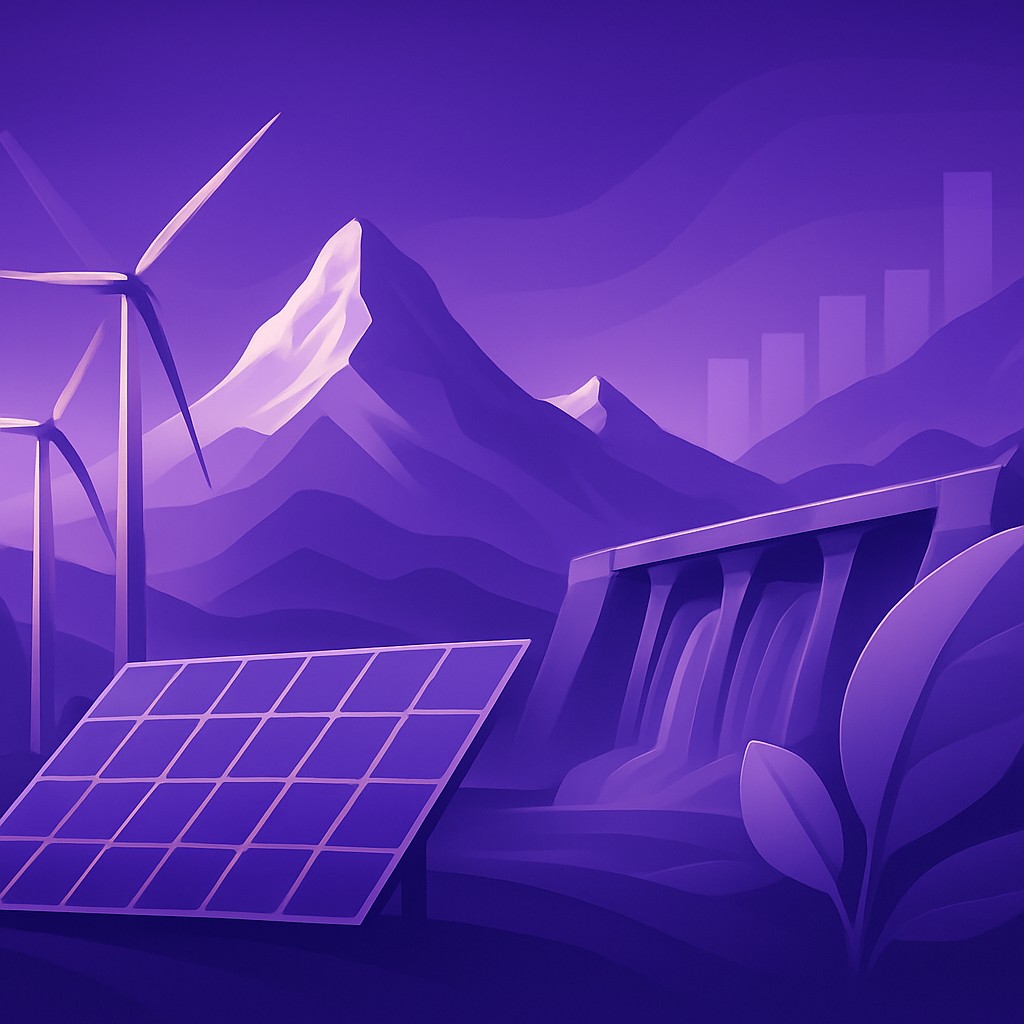
Switzerland's Commitment to Renewable Energy
Switzerland has set ambitious goals for its energy future, aiming to reduce reliance on fossil fuels and nuclear power while expanding clean, renewable sources. The country's Energy Strategy 2050 provides a roadmap for this transition, emphasising efficiency, sustainability, and security of supply. At the heart of this effort are the renewable energy companies that develop, operate, and innovate across hydropower, solar, wind, and biomass technologies.
Renewable energy already forms a substantial part of Switzerland's electricity mix, thanks largely to its abundant hydropower resources. Yet the push toward a fully sustainable system requires diversification and continued investment. The leading renewable energy companies are responding to this challenge with cutting-edge projects and a long-term vision that reflects Switzerland's reputation for quality and reliability.
The Foundation of Hydropower
Hydropower has been the cornerstone of Swiss electricity generation for over a century. The country's mountainous terrain and plentiful water resources make it ideally suited for hydroelectric production, which accounts for a significant share of national output. Companies operating large reservoir and run-of-river plants provide not only clean energy but also valuable flexibility to balance supply and demand across the European grid.
Major utilities such as Axpo, Alpiq, and BKW operate extensive hydropower portfolios. Axpo, one of Switzerland's largest energy companies, manages numerous hydroelectric facilities and is a leading producer of renewable electricity. Alpiq operates power plants throughout the Alpine region, while BKW combines hydropower with a growing portfolio of other renewables. These companies continue to modernise existing plants and explore pumped-storage projects that enhance grid stability.
Expanding Solar and Wind Capacity
While hydropower dominates, solar and wind energy are growing rapidly as Switzerland diversifies its renewable base. Solar power in particular has seen strong expansion, supported by falling technology costs and government incentives. Companies specialising in photovoltaic installations serve both residential and commercial customers, helping the country capture the abundant sunlight of its alpine and lowland regions.
Firms such as Helion, a prominent provider of solar solutions, design and install systems for homes, businesses, and large-scale projects. The Energy 360 group and various regional utilities also invest heavily in solar development. Wind energy, though more limited by topography, contributes a growing share, with companies developing carefully sited turbines that complement the broader renewable mix. Together, these efforts strengthen Switzerland's path toward energy independence.
Innovation and Emerging Technologies
Swiss renewable energy companies are not content to rely solely on established technologies. Innovation is a defining feature of the sector, with firms exploring energy storage, smart grids, green hydrogen, and biomass solutions. Battery storage systems are increasingly paired with solar installations to maximise the use of clean energy, while research into hydrogen offers promise for decarbonising transport and industry.
Switzerland's strong tradition of engineering and research, supported by institutions such as ETH Zurich and EPFL, fuels this culture of innovation. Startups and established companies alike benefit from collaboration with academic institutions, driving advances that position the country as a leader in clean energy technology. This forward-looking approach ensures that Swiss renewable energy remains both reliable and progressive.
Benefits for Consumers and the Environment
The growth of renewable energy delivers substantial benefits to Swiss society. Environmentally, it reduces greenhouse gas emissions and dependence on imported fuels, supporting national climate goals. Economically, it creates jobs, stimulates local investment, and offers consumers greater choice and control over their energy sources. Many providers now offer green electricity products that allow households and businesses to support renewable generation directly.
For consumers, partnering with a renewable energy company also brings practical advantages such as reduced long-term energy costs, energy independence through self-generation, and the satisfaction of contributing to a sustainable future. As awareness of environmental responsibility grows, demand for clean energy solutions continues to rise across the country.
Choosing a Renewable Energy Provider
Selecting the right renewable energy company depends on individual needs and goals. Homeowners interested in solar installations should consider a provider's experience, product quality, warranty terms, and after-sales support. Businesses may prioritise scalability and integrated solutions, while those purchasing green electricity should examine the source and certification of the energy offered.
Reputation, transparency, and a demonstrated commitment to sustainability are important indicators of a trustworthy provider. The leading Swiss renewable energy companies distinguish themselves through reliability, technical excellence, and a genuine dedication to advancing the clean energy transition. A careful evaluation helps consumers and businesses find a partner aligned with their values and requirements.
Conclusion
Switzerland's renewable energy companies are essential architects of the nation's sustainable future. Building on a strong foundation of hydropower and expanding into solar, wind, and innovative technologies, these firms combine reliability with forward-thinking ambition. As the country pursues its Energy Strategy 2050, the leading renewable energy providers will continue to power Switzerland responsibly, delivering clean electricity, economic opportunity, and environmental progress for generations to come.