
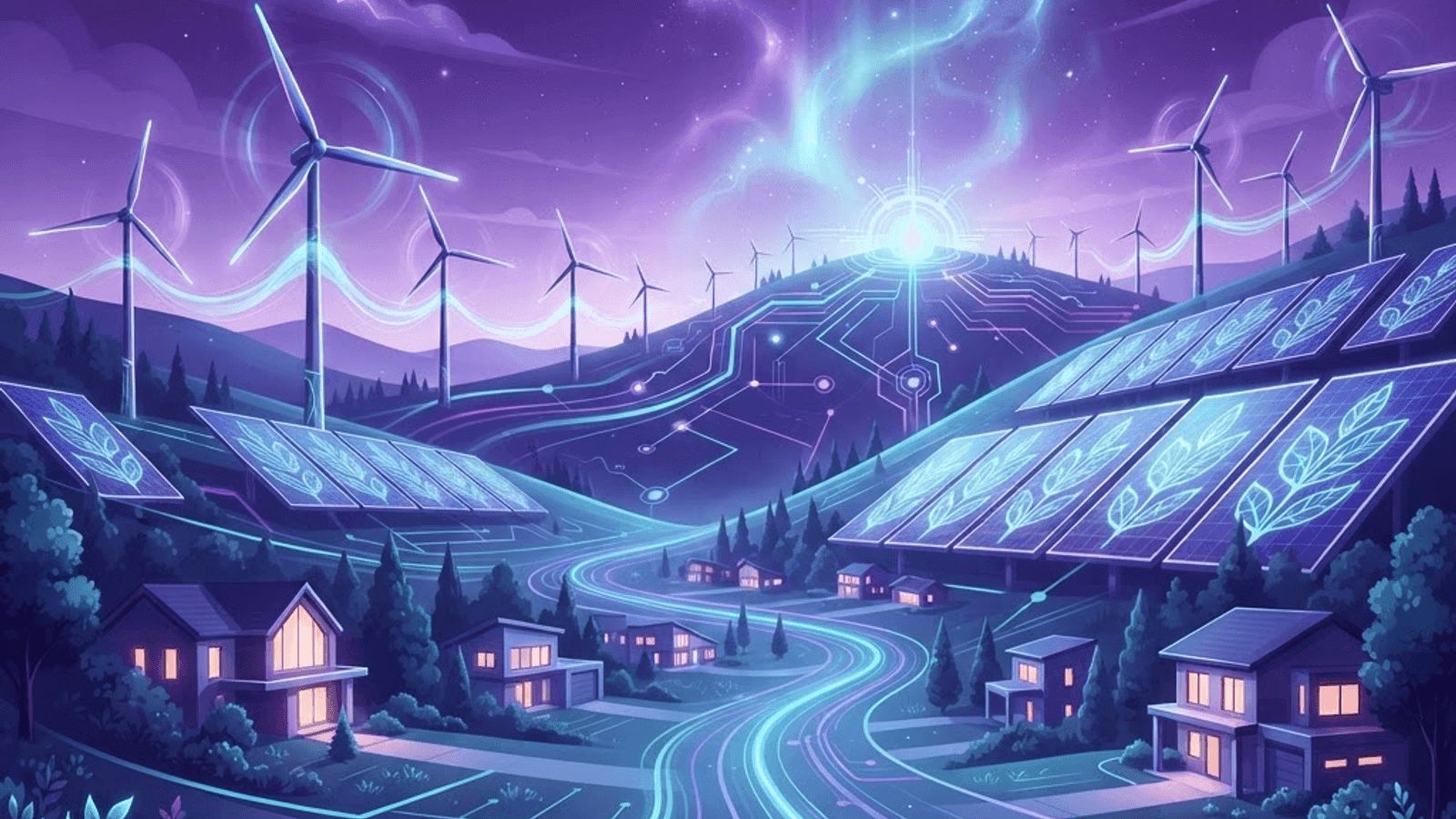
The Clean Energy Transition in Ramapo
New York has set some of the most ambitious clean energy targets in the country, requiring a rapid shift toward zero-emission electricity and deep reductions in building emissions. Ramapo sits at the practical edge of that transition. The township combines dense residential neighborhoods, substantial commercial corridors, institutional campuses, and older housing stock, each presenting distinct opportunities for renewable generation and efficiency improvement.
The companies serving this market range from residential solar installers and heat pump specialists to energy consultants, efficiency contractors, and developers of community-scale projects. Together they form an ecosystem that has grown substantially as incentive programs matured and equipment costs declined.
Solar Photovoltaic Systems
Rooftop and ground-mounted solar remains the most visible renewable technology in the township. Modern panels convert sunlight to electricity with efficiency far beyond earlier generations, and inverter technology has improved both output monitoring and safety. Properly designed systems in the Hudson Valley climate generate meaningful production year-round despite seasonal variation, and net metering arrangements allow surplus generation to offset consumption during lower-production months.
Quality installers begin with a thorough site assessment covering roof condition, structural capacity, shading from mature trees, electrical panel adequacy, and interconnection requirements. A reputable company will decline a project or recommend roof replacement first rather than mounting panels on a surface nearing the end of its life.
Heat Pumps and Building Electrification
Air source and ground source heat pumps have emerged as one of the most impactful residential upgrades available. These systems provide both heating and cooling with efficiency that substantially exceeds combustion equipment, and cold climate models now perform reliably at low outdoor temperatures.
Ground source systems, which exchange heat with the earth through buried loops, deliver the highest efficiency but require land access and higher upfront investment. Air source systems install more easily and suit a wider range of properties. Heat pump water heaters offer a further efficiency gain that is often overlooked.
Electrification contractors serving Ramapo typically pair these installations with envelope improvements, since insulation and air sealing reduce the required equipment capacity and improve comfort.
Energy Storage
Battery systems paired with solar allow homeowners and businesses to store excess generation for evening use and to maintain critical loads during outages. Storage has grown increasingly attractive in areas subject to storm-related interruptions. Commercial installations also use storage to reduce demand charges by discharging during peak periods.
Installers must address fire safety codes, placement requirements, and permitting, all of which have specific standards that vary by municipality within the township.
Energy Efficiency and Auditing
Before generating clean energy, reducing consumption delivers the fastest return. Professional energy audits use blower door testing, thermal imaging, and combustion safety analysis to identify losses. Typical recommendations include attic and basement insulation, air sealing, duct sealing, lighting upgrades, and controls.
For commercial buildings, audits extend to mechanical system optimization, building automation tuning, and equipment scheduling. Many Ramapo institutions have found that low-cost operational adjustments deliver savings comparable to capital projects.
Incentives and Financing
The economics of renewable energy in New York benefit from multiple layers of support. Federal tax credits apply to solar, storage, and geothermal installations. State programs provide rebates administered through participating contractors. New York also offers a state tax credit for residential solar and property tax exemptions for qualifying systems.
Financing options include cash purchase, secured and unsecured loans, and third-party ownership through leases or power purchase agreements. Ownership generally produces the strongest long-term economics for those who can use the tax credits, while third-party arrangements suit customers seeking immediate savings without capital outlay.
Reputable companies present these options transparently, showing total cost, projected production, and realistic savings rather than optimistic best-case figures.
Community and Commercial Projects
Community distributed generation allows residents who cannot install rooftop systems, including renters and those with shaded roofs, to subscribe to a share of a larger project and receive credits on their utility bills. This model has expanded access considerably.
Commercial and institutional projects in the region include carport solar arrays, warehouse rooftop installations, and combined efficiency and generation retrofits at schools and houses of worship. These projects often carry attractive payback periods given high daytime consumption.
Evaluating a Renewable Energy Company
Licensing and insurance are the baseline. Beyond that, examine the company's installation history in the immediate area, since local experience means familiarity with municipal permitting, utility interconnection procedures, and inspection expectations.
Ask about equipment brands and warranty terms, distinguishing between manufacturer product warranties, performance guarantees, and the installer's own workmanship warranty. A twenty-five year panel warranty offers little comfort if the installing company is unlikely to exist in five years.
Request a detailed production estimate with the modeling assumptions disclosed, and compare proposals on cost per watt and projected lifetime production rather than headline price alone. Verify that the proposal includes permitting, interconnection, monitoring, and system commissioning.
Finally, be cautious with high-pressure sales tactics and offers that expire within hours. Established companies provide time for consideration and welcome questions.
Maintenance and Performance
Renewable systems require modest but real attention. Solar arrays benefit from periodic inspection of mounting hardware, connections, and inverter status, along with occasional cleaning in dusty or pollen-heavy conditions. Heat pumps need filter changes and annual service. Monitoring platforms alert owners to production shortfalls, and responsive companies investigate anomalies rather than waiting for complaints.
Looking Forward
The renewable sector in Ramapo will continue evolving. Building code updates increasingly favor electrification in new construction. Utility rate structures are shifting toward time-of-use pricing, which improves the value of storage. Electric vehicle adoption is creating demand for charging infrastructure integrated with home generation. Workforce development programs are expanding the pool of trained installers.
Final Thoughts
Renewable energy companies in Ramapo offer homeowners and businesses a practical path to lower operating costs, greater resilience, and reduced emissions. The key to a successful project is choosing a contractor who prioritizes accurate assessment and honest projections over rapid sales. With careful selection and realistic expectations, clean energy investments in the township consistently deliver both financial and environmental returns.