
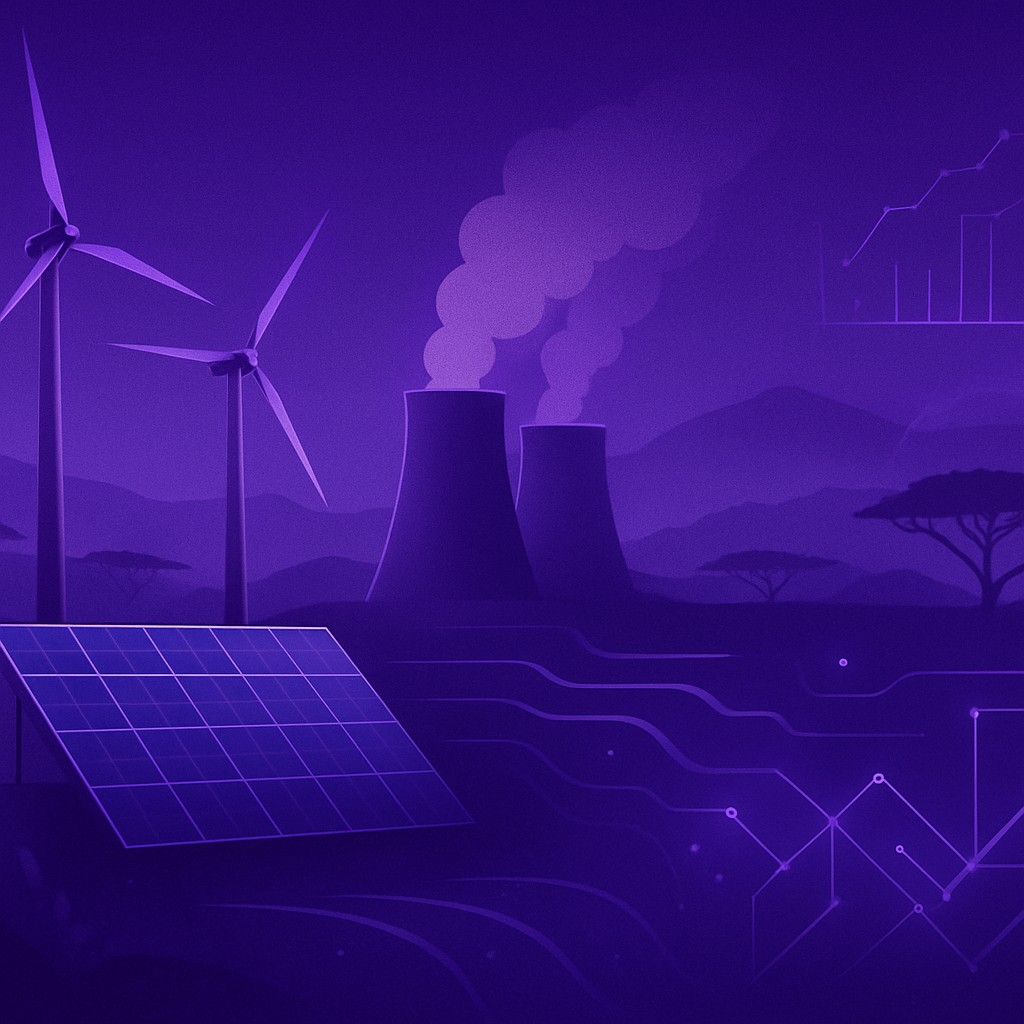
Kenya's Renewable Energy Leadership
Kenya stands out as one of the world's most impressive renewable energy success stories. The vast majority of its electricity is generated from clean sources, including geothermal, hydro, wind, and solar power. This achievement reflects decades of investment, supportive policy, and abundant natural resources—from the geothermal-rich Rift Valley to consistent wind corridors and strong year-round solar irradiation. The country has set ambitious goals to achieve a fully clean energy grid, positioning itself as a continental leader in sustainable development.
This guide profiles ten companies and organizations at the forefront of Kenya's renewable energy transformation, spanning utility-scale generation, off-grid solutions, and clean energy services.
What Defines a Leading Renewable Energy Company
Top renewable energy companies combine technical excellence, reliable performance, and a commitment to expanding access. The best players invest in robust infrastructure, embrace innovation, and contribute to both grid stability and rural electrification. Strong environmental and social governance further distinguishes industry leaders.
Leading Renewable Energy Companies in Kenya
Kenya Electricity Generating Company (KenGen) is the country's largest power producer, with a diverse portfolio spanning geothermal, hydro, wind, and thermal generation. Its geothermal projects in the Olkaria fields are among the most significant in the world.
Geothermal Development Company (GDC) focuses on exploring and developing Kenya's vast geothermal resources, accelerating clean baseload power. Lake Turkana Wind Power operates one of Africa's largest wind farms, delivering substantial clean energy to the national grid.
Kenya Power (KPLC) manages transmission and distribution, playing a central role in delivering renewable electricity to homes and businesses. KenGen's solar initiatives and independent producers such as those behind large solar parks contribute growing photovoltaic capacity.
M-KOPA has revolutionized off-grid access through pay-as-you-go solar home systems, while d.light and Sun King provide affordable solar lighting and appliances to millions of households. Davis & Shirtliff is a trusted provider of solar and water solutions across the region.
Strathmore Energy Research Centre (SERC) supports the sector through training, research, and solar testing, helping build local expertise and standards.
Trends Shaping Renewable Energy in Kenya
Geothermal energy continues to anchor Kenya's clean grid, offering reliable baseload power independent of weather conditions. The off-grid and mini-grid market is booming, bringing electricity to remote communities through solar solutions. Battery storage is emerging as a key enabler of grid stability as variable renewables grow.
Green financing, carbon markets, and international partnerships are channeling investment into new projects, while electric mobility and clean cooking initiatives are expanding the definition of the energy transition. Productive use of energy—powering agriculture, small businesses, and industry—is increasingly central to development strategy.
Benefits of Kenya's Renewable Energy Sector
The benefits are far-reaching: reduced reliance on imported fuels, lower greenhouse gas emissions, improved energy security, and expanded access for underserved communities. Clean energy also creates jobs, attracts investment, and supports economic growth. For households, affordable solar systems improve quality of life, education, and productivity.
Conclusion
Kenya's renewable energy sector is a model for the world, demonstrating how a nation can build a clean, resilient, and inclusive energy system. The companies and organizations featured here are driving this transformation, from large-scale geothermal and wind projects to innovative off-grid solar solutions. As Kenya advances toward a fully sustainable grid, these leaders will continue to power progress and prosperity for generations to come.