
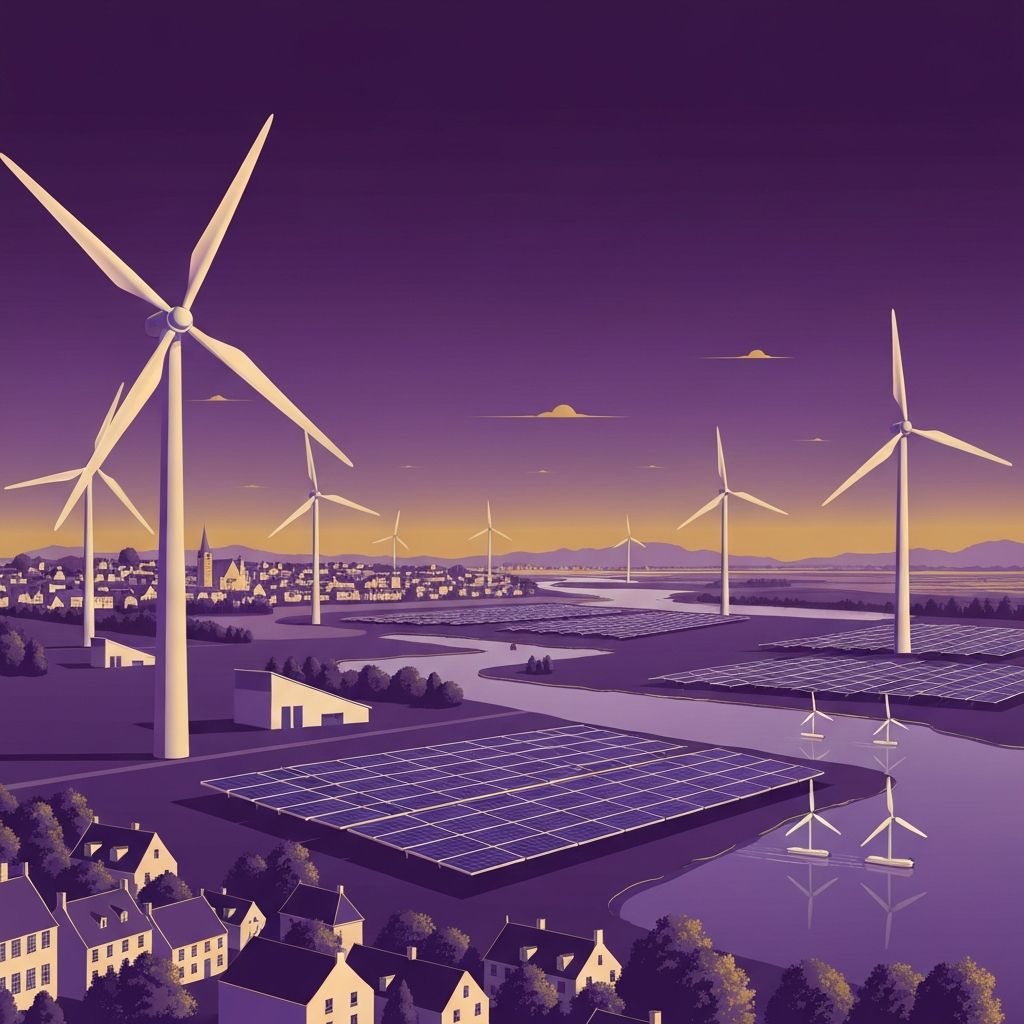
Germany's Energy Transition Leadership
Germany has long positioned itself as a global pioneer in renewable energy through its ambitious Energiewende (energy transition) policy. The country has set bold targets to achieve climate neutrality by 2045, with renewables playing a central role. Today, more than half of Germany's electricity comes from renewable sources, thanks to a thriving network of innovative companies and supportive policies like the Renewable Energy Sources Act (EEG).
The Renewable Energy Landscape
Germany's renewable energy mix includes wind, solar, biomass, hydro, and emerging technologies like green hydrogen. The sector employs hundreds of thousands of people and contributes significantly to the national economy. Key drivers include strong public support, advanced engineering capabilities, and access to research institutions like Fraunhofer and the Helmholtz Association.
Top 10 Best Renewable Energy Companies in Germany
1. RWE Renewables — One of the world's largest renewable energy producers, RWE operates an extensive portfolio of onshore and offshore wind farms, solar parks, and battery storage systems.
2. EnBW Energie Baden-Württemberg — A major utility with a strong renewables focus, EnBW invests heavily in offshore wind and large-scale solar projects across Germany.
3. Siemens Gamesa Renewable Energy — A global leader in wind turbine manufacturing, Siemens Gamesa is headquartered in Germany and supplies turbines for projects worldwide.
4. wpd — A Bremen-based developer specializing in onshore and offshore wind energy, wpd has projects across Europe, Asia, and the Americas.
5. BayWa r.e. — A renewable energy services company offering project development, energy trading, and PV distribution in solar, wind, and bioenergy markets.
6. Enercon — A German pioneer in wind turbine manufacturing, Enercon is known for its gearless direct-drive technology and strong domestic market presence.
7. Nordex Group — A leading wind turbine manufacturer based in Hamburg, Nordex serves both German and international markets with cutting-edge technology.
8. Juwi — Specializing in solar, wind, and hybrid power plants, Juwi delivers integrated solutions from planning to operations.
9. SMA Solar Technology — A global market leader in solar inverters, SMA produces the technology that powers millions of solar installations worldwide.
10. ABO Wind — A diversified renewables developer focusing on wind, solar, battery storage, and hydrogen projects across multiple countries.
Key Drivers of the German Renewable Sector
The success of Germany's renewables industry is fueled by predictable feed-in tariffs, robust grid infrastructure, strong R&D, and a culture of innovation. Citizen energy cooperatives also play a unique role, with many wind and solar projects co-owned by local communities.
Emerging Trends
Green hydrogen is becoming a strategic priority, with major investments in electrolyzers and hydrogen-ready infrastructure. Floating solar, agrivoltaics, and offshore wind expansion are reshaping the energy mix. Digitalization, AI-driven grid management, and energy storage are also transforming the sector.
Policy and Regulatory Environment
The German government has accelerated permitting processes, increased auction volumes, and expanded subsidies to meet ambitious climate targets. EU-level regulations, including the Renewable Energy Directive, further support investments and cross-border cooperation.
Benefits to the German Economy
Renewable energy is one of Germany's fastest-growing economic sectors, generating significant export revenues and skilled employment. The industry strengthens energy security, reduces dependence on imported fossil fuels, and contributes to climate goals.
Choosing a Renewable Energy Partner
Whether you are a homeowner, business, or investor, selecting the right renewable partner requires assessing technical capabilities, project track record, financial stability, and post-installation support. Many top firms offer comprehensive turnkey solutions.
Conclusion
Germany's renewable energy companies are at the forefront of the global green transition. From technology giants like Siemens Gamesa to specialized developers like Juwi, these firms are not only powering Germany's clean energy future but also shaping global standards for sustainable power generation.