
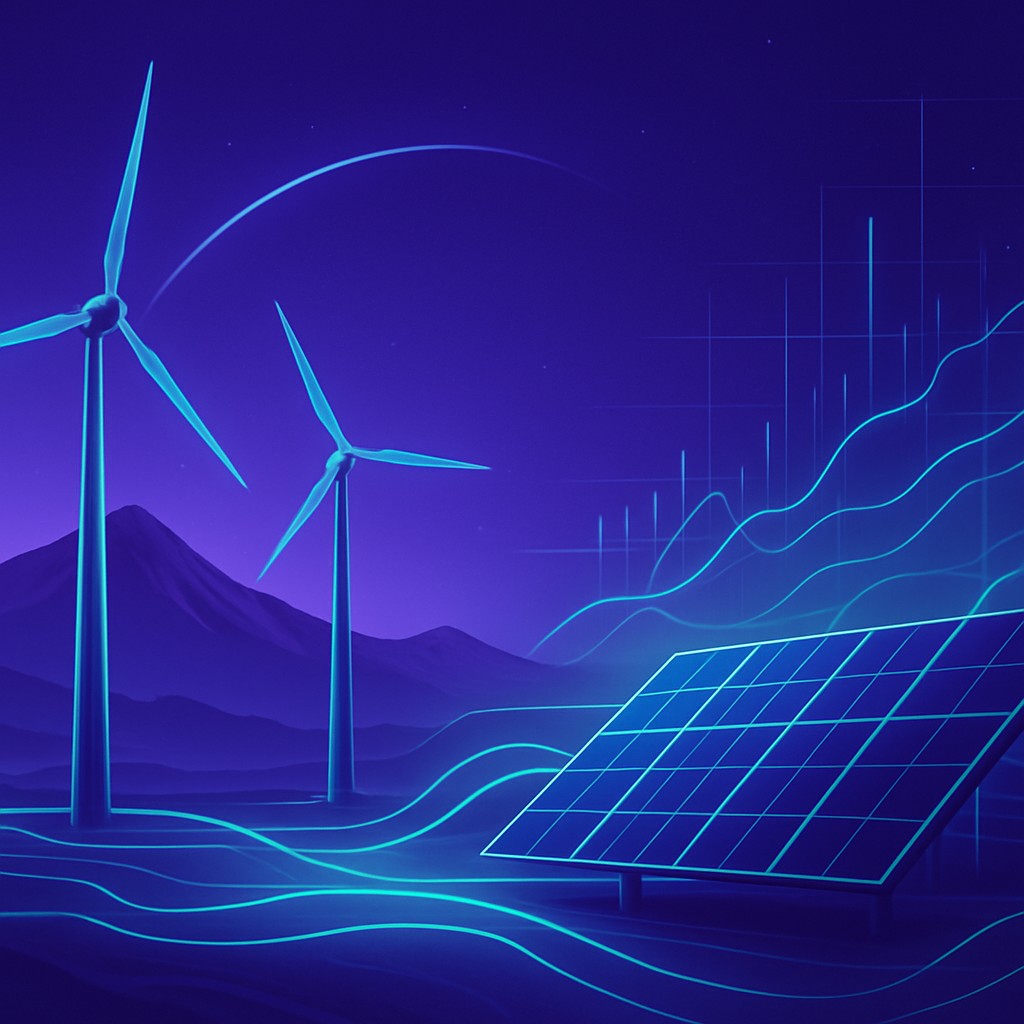
Chile's Renewable Energy Revolution
Few countries have embraced renewable energy as decisively as Chile. Endowed with the world's highest solar irradiation in the Atacama Desert, strong and steady winds along its long coastline, and abundant geothermal and hydro resources, Chile has transformed itself into a global leader in clean energy. The country has set ambitious decarbonization targets, committing to phase out coal and dramatically expand renewable generation, and a vibrant ecosystem of companies is making that vision a reality.
This transition is driven by both environmental necessity and economic opportunity. Renewable energy has become the cheapest source of new electricity in Chile, attracting billions in investment and creating thousands of jobs. The companies profiled here are at the heart of this transformation, developing, building, and operating the projects that are reshaping the nation's energy landscape.
Leading Renewable Energy Companies
Colbún is one of Chile's largest power generators and has invested heavily in expanding its renewable portfolio, developing major wind and solar projects as it transitions away from fossil fuels. Its scale and financial strength make it a central player in the energy transition.
Enel Green Power Chile operates an extensive portfolio of solar, wind, and hydro assets, and is among the most significant renewable developers in the country, leveraging global expertise and resources.
AES Andes has committed to a substantial decarbonization strategy, retiring coal capacity and building large-scale renewable and storage projects to support a cleaner grid.
Engie Energía Chile is transforming its generation mix toward renewables and is a leader in integrating energy storage to enhance grid reliability.
Mainstream Renewable Power Chile has developed some of the country's most ambitious wind and solar portfolios, playing a key role in bringing large volumes of clean capacity online.
Innovators Across Technologies
Acciona Energía Chile brings international experience in wind and solar development, operating significant assets and contributing to the country's growing renewable base.
Grenergy Renovables is an active developer of solar and storage projects, known for advancing innovative hybrid installations that combine generation and batteries.
Atlas Renewable Energy focuses on large-scale solar projects and corporate power agreements, helping major energy consumers secure clean electricity.
Sonnedix Chile operates a substantial solar portfolio and continues to expand its presence as an independent power producer dedicated to clean generation.
Ibereólica Renovables Chile completes the list as a developer of wind and solar projects, contributing to the diversification and expansion of the country's renewable capacity.
The Resources Behind the Boom
Chile's renewable success rests on extraordinary natural advantages. The Atacama Desert in the north offers some of the most intense and consistent solar radiation on the planet, making it ideal for photovoltaic and concentrated solar power. The southern regions and coastal areas provide strong, reliable winds for wind farms. The country also has geothermal potential along the Andes and significant hydroelectric resources.
These resources, combined with falling technology costs, have made renewable energy not just environmentally desirable but economically compelling. As a result, clean energy has rapidly displaced more expensive and polluting alternatives, accelerating the country's transition.
The Challenge of Storage and Transmission
As renewable generation grows, two challenges have come to the fore: storage and transmission. Solar and wind are intermittent, producing power only when the sun shines or the wind blows. Energy storage, particularly battery systems, is essential to balance supply and demand and to make the most of abundant midday solar generation. Leading companies are investing heavily in storage to address this challenge.
Transmission is equally critical. Much of Chile's renewable potential lies in the north, far from the population centers and industries that consume the most energy. Expanding and upgrading the transmission network is vital to delivering clean power where it is needed. Coordinated investment in generation, storage, and transmission is the key to a resilient, fully decarbonized grid.
Economic and Environmental Benefits
The renewable energy boom delivers benefits that extend far beyond electricity. It has attracted substantial foreign and domestic investment, created employment in construction, operations, and maintenance, and positioned Chile as a regional leader in clean technology. Environmentally, the shift away from coal is improving air quality and sharply reducing greenhouse gas emissions.
Looking ahead, Chile's renewable abundance is opening new frontiers, most notably the production of green hydrogen. By using cheap solar and wind power to produce hydrogen, the country aims to become a major exporter of clean fuel, adding another dimension to its energy ambitions.
A Bright Future
Chile's renewable energy sector stands as a global example of what is possible when natural advantages, smart policy, and private investment align. The companies highlighted here are driving this remarkable transformation, building a cleaner, more sustainable, and more prosperous future. As technology advances and ambitions grow, Chile is well positioned to remain at the forefront of the global energy transition for years to come.