
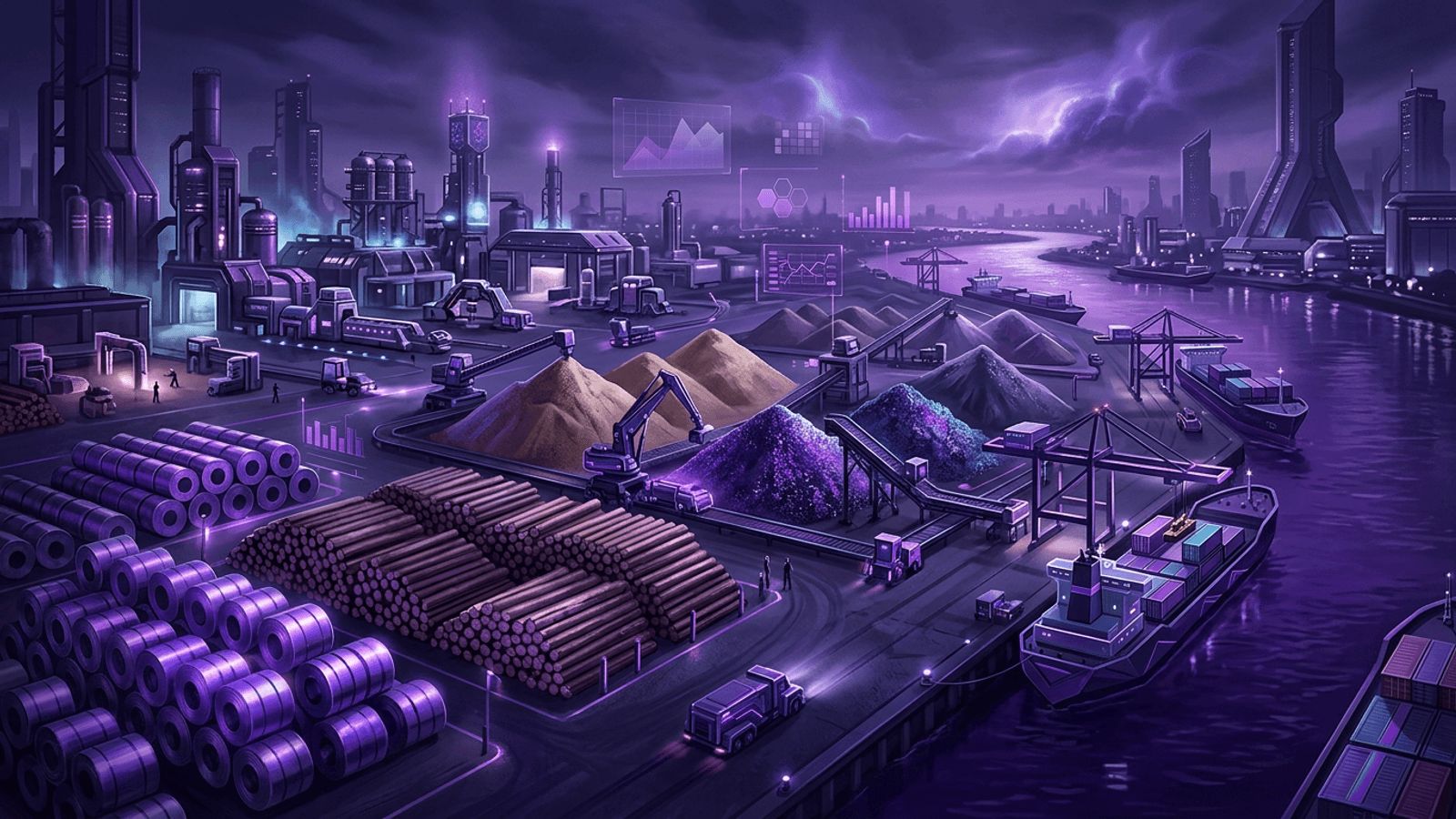
The Foundation of Riverview's Industry
Every product and structure begins with raw materials. In Riverview, sand and crushed stone become roads and foundations, steel becomes reinforcing bar and beams, timber becomes framing lumber, and minerals become fertilizers that feed crops around the world. The community's location near Port Tampa Bay, rail lines, and major highways makes it a natural crossroads for raw material movement throughout Florida and beyond.
Manufacturers, contractors, and processors need suppliers who can deliver consistent quality and volume. This article highlights ten raw material suppliers that play a key role in supporting Riverview and the Tampa Bay region.
The Importance of Port Tampa Bay
Port Tampa Bay is Florida's largest port by tonnage and handles bulk commodities such as aggregates, cement, fertilizers, petroleum products, and steel. Its proximity to Riverview gives local businesses efficient access to imported and domestic raw materials, reducing transportation costs and lead times. The port's role in phosphate and fertilizer exports also connects the community to global agricultural markets.
The Top 10 Raw Material Suppliers Serving Riverview
1. Vulcan Materials
Vulcan Materials is the nation's largest producer of construction aggregates, including crushed stone, sand, and gravel. Its materials support road construction, development projects, and concrete production across the region.
2. Martin Marietta
Martin Marietta supplies aggregates, cement, and ready-mix concrete. Its large-scale operations and logistics capabilities help keep major infrastructure projects supplied throughout the Southeast.
3. Cemex
Cemex provides cement, aggregates, and ready-mix concrete, with import and distribution capabilities that support Florida's high construction demand. Builders value its consistent quality and technical support.
4. Titan America
Titan America produces cement and construction materials in Florida, supplying contractors and concrete producers with regionally manufactured products that reduce supply chain risk.
5. The Mosaic Company
Mosaic mines and processes phosphate rock into crop nutrients. Its Central Florida operations, including its presence in Riverview, make it one of the most significant raw material producers in the region.
6. Gerdau
Gerdau produces steel from recycled scrap, supplying rebar and merchant bar products to construction and manufacturing customers. Its recycling-based model supports sustainability goals.
7. Ryerson
Ryerson distributes and processes metals including carbon steel, stainless steel, and aluminum. Manufacturers rely on it for consistent supply and value-added processing.
8. Weyerhaeuser
Weyerhaeuser is one of the largest private timberland owners in North America and a major producer of lumber and engineered wood products used in residential construction.
9. Univar Solutions
Univar Solutions distributes industrial chemicals and ingredients used as raw materials in coatings, cleaning products, food, and pharmaceuticals.
10. Brenntag
Brenntag supplies a vast range of chemical raw materials with blending and repackaging services, helping manufacturers source exactly what they need.
How to Choose a Raw Material Supplier
Consistency is the top priority, because variations in raw materials can cause defects and production delays. Request specifications, certifications, and testing data. Evaluate the supplier's capacity, logistics capabilities, and contingency planning. Long-term contracts can stabilize pricing, while dual sourcing reduces risk. Sustainability credentials, such as recycled content and responsible sourcing, are increasingly important to customers and regulators.
Logistics capabilities deserve special attention. Ask how materials will be delivered, whether by truck, rail, or barge, and how the supplier handles scheduling during peak construction periods. Confirm unloading requirements at your site, such as forklift access or bulk storage capacity. For time-sensitive projects, suppliers with yards or terminals close to Riverview can provide faster, more flexible service. Finally, review payment terms, price escalation clauses, and minimum order quantities, because these details can significantly influence the true cost of materials over the life of a contract or major project.
Managing Supply Chain Risk
Recent years have shown how quickly global disruptions can affect raw material availability and pricing. Riverview businesses can reduce risk by building relationships with regional suppliers, maintaining safety stock of critical materials, and monitoring market trends. Hurricane season adds another layer of complexity, as storms can temporarily close ports and roads. Suppliers with diversified sourcing and strong local inventories are better positioned to maintain deliveries. Open communication with suppliers about forecasts and upcoming projects also helps them plan production and allocate materials effectively.
Frequently Asked Questions
Why do aggregate prices vary so much by location?
Aggregates are heavy and relatively inexpensive, so transportation makes up a large share of their cost. Proximity to quarries, rail terminals, or ports significantly affects delivered pricing.
Can small manufacturers buy raw materials in small quantities?
Distributors and service centers specialize in breaking bulk shipments into smaller quantities, making raw materials accessible to small and mid-sized businesses.
What documentation should I request from suppliers?
Ask for material certifications, safety data sheets, and test reports to confirm materials meet required specifications.
Trends in Raw Materials
Recycling and circular economy practices are reshaping the industry, with recycled steel, reclaimed aggregates, and lower-carbon cement gaining traction. Digital tracking tools improve supply chain transparency, while reshoring is increasing demand for domestic materials.
Final Thoughts
Raw material suppliers form the backbone of Riverview's construction and manufacturing activity. By partnering with reliable, well-established suppliers, local businesses can maintain quality, control costs, and build resilience against supply chain disruptions.