
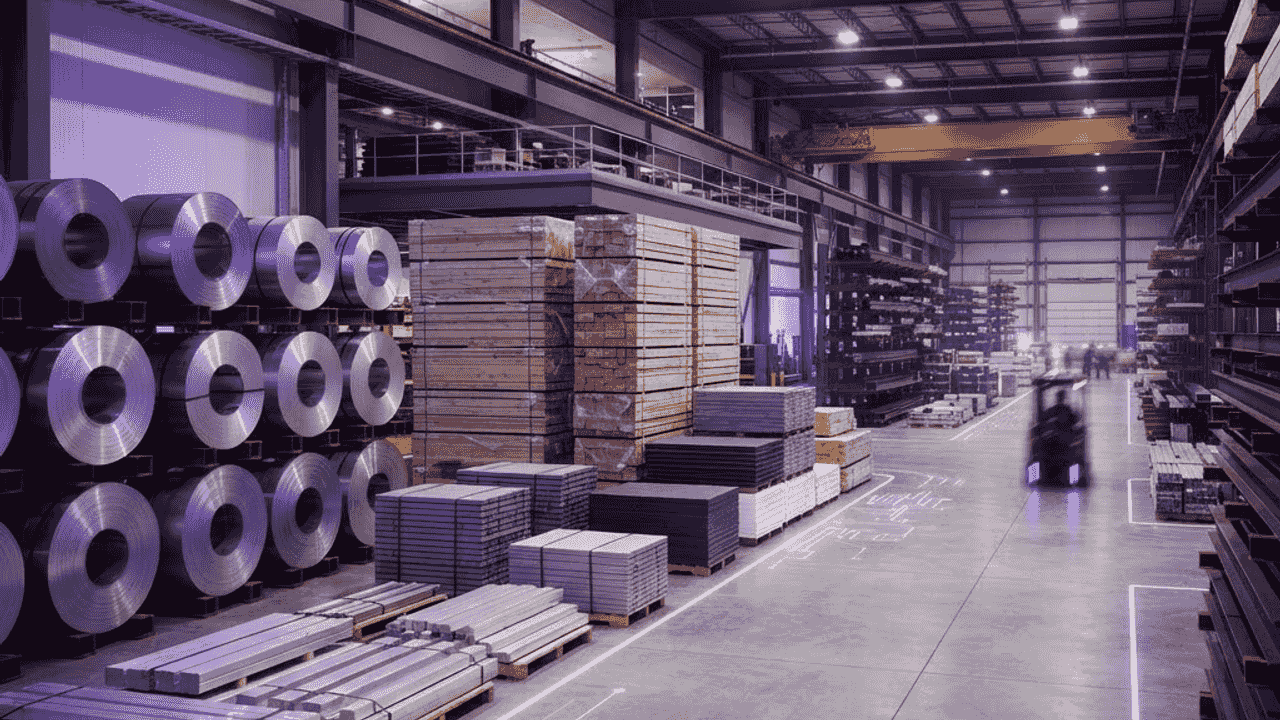
The Foundation of Milwaukee Manufacturing
Milwaukee's identity as an industrial city rests on its manufacturers, and every one of them depends on a steady flow of raw materials. Steel, aluminum, copper, plastics, resins, chemicals, and specialty alloys are the building blocks of the products made throughout the region, from heavy machinery and automotive components to consumer goods and food packaging. Raw material suppliers occupy a vital position in this ecosystem, ensuring that production lines never run dry.
The reliability of these suppliers directly affects the competitiveness of Milwaukee's manufacturers. A dependable material supply chain allows producers to meet delivery commitments, control costs, and maintain the quality standards their customers expect.
What Makes a Raw Material Supplier Exceptional
The best raw material suppliers combine consistent product quality, reliable availability, and strong logistics. Manufacturers require materials that meet precise specifications and certifications, so suppliers must maintain rigorous quality control and full traceability. Consistency batch to batch is essential, as even small variations can disrupt production and compromise finished goods.
Equally important is availability. Leading suppliers maintain sufficient inventory and diversified sourcing so that customers are protected against shortages and price volatility. The ability to provide value-added services such as cutting, shaping, blending, or just-in-time delivery further distinguishes top-tier suppliers from commodity vendors.
Serving Diverse Industries
Milwaukee's raw material suppliers serve an impressively broad customer base. Metal service centers supply fabricators and machine shops with sheet, plate, bar, and structural stock. Plastics and polymer distributors serve packaging, medical device, and consumer product manufacturers. Chemical and specialty material suppliers support coatings, adhesives, and processing industries.
This diversity requires suppliers to be flexible and knowledgeable, capable of advising customers on material selection, substitutions, and cost optimization. The most respected suppliers act as technical partners rather than mere order takers, helping manufacturers improve their products and processes.
Industry Trends and Challenges
The raw material supply industry has faced significant volatility in recent years, driven by global supply-chain disruptions, fluctuating commodity prices, and shifting trade policies. Milwaukee suppliers have responded by strengthening domestic sourcing, expanding local warehousing, and improving demand forecasting to buffer their customers against uncertainty.
Sustainability is also reshaping the sector. Demand for recycled metals, bio-based plastics, and responsibly sourced materials is rising as manufacturers pursue their own environmental goals. Suppliers that can document the origin and environmental footprint of their materials are gaining a competitive edge.
The Value of Local Sourcing
Sourcing raw materials from local Milwaukee suppliers offers manufacturers important benefits. Shorter lead times reduce the need for large safety stocks, freeing up working capital and warehouse space. Local relationships also enable more responsive service, easier quality resolution, and collaborative problem-solving when specifications change or rush orders arise.
Proximity supports leaner, more agile manufacturing, which is increasingly critical in a market that rewards speed and flexibility. It also strengthens the regional industrial ecosystem, keeping expertise and economic activity within the community.
Choosing the Right Supply Partner
Manufacturers selecting a raw material supplier should evaluate quality certifications, inventory depth, delivery reliability, technical support, and financial stability. Auditing a supplier's processes, reviewing their traceability systems, and assessing their capacity to scale are prudent steps for any serious buyer.
The top raw material suppliers in Milwaukee have earned their standing by delivering consistent quality, dependable availability, and expert support. In a region defined by making things, these suppliers remain the essential first link in the chain that keeps Milwaukee's factories humming.
How to Evaluate the Organizations in This Guide
A useful ranking should be treated as a starting point rather than a substitute for careful evaluation. Needs vary by buyer, project, budget, and neighborhood, so the best fit is often the organization whose capabilities align most closely with a reader's priorities. Reputation, years of service, responsiveness, transparency, and demonstrated knowledge of the Milwaukee market are all meaningful signals. Prospective customers or supporters should also consider how clearly an organization explains its processes, how consistently it delivers on commitments, and whether its team can answer detailed questions without pressure.
Milwaukee-specific experience matters because local conditions shape demand. Winter weather, regional transportation patterns, the city's industrial heritage, and the needs of surrounding southeastern Wisconsin communities can all influence service, inventory, timing, and outcomes. Organizations with strong local relationships are often better prepared to anticipate these factors. At the same time, larger regional or national operators may bring broader resources, specialized technology, and greater purchasing power. Comparing both types creates a more balanced shortlist.
Before making a final decision, readers should define their must-have requirements and compare several candidates using the same criteria. For commercial purchases, this may include lead times, minimum orders, warranties, delivery coverage, quality controls, and after-sale support. For services or community organizations, it may include program effectiveness, accessibility, financial stewardship, and measurable local impact. Asking for current documentation, references, or a clear scope of work can prevent misunderstandings.
The Milwaukee market continues to evolve, and availability, leadership, programs, and product lines may change over time. A thoughtful review of current capabilities will help readers turn this guide into a practical decision-making tool. The strongest organizations are rarely defined by a single feature; they earn trust through a combination of quality, consistency, local understanding, and long-term value.