
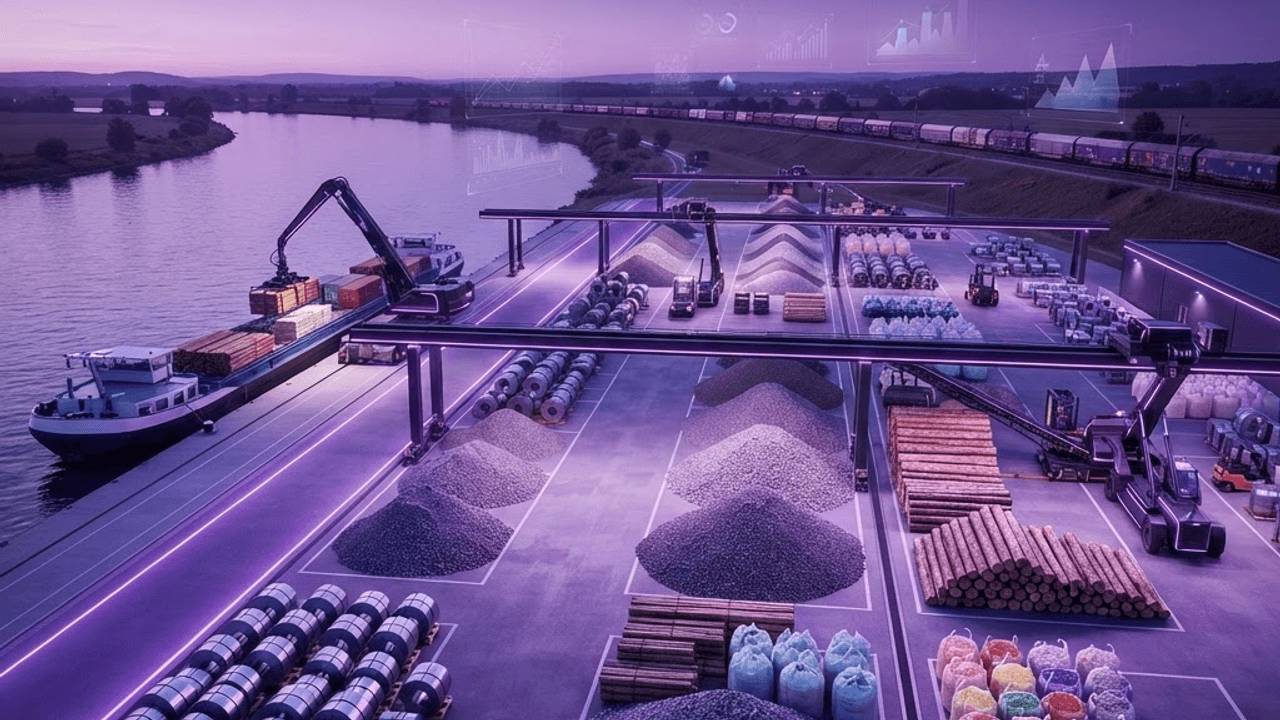
Joliet's Strategic Advantage for Raw Materials
Raw materials are the foundation of every manufactured product and construction project. Joliet enjoys a rare combination of advantages for sourcing them: nearby limestone quarries, a major petrochemical corridor, steel service centers, barge access on the Des Plaines and Illinois rivers, and a network of rail lines and interstates that connect to the entire country. The CenterPoint Intermodal Center in nearby Elwood and Joliet is one of the largest inland ports in North America, making the region a natural gateway for materials moving in and out of the Midwest.
Here are ten raw material suppliers that play important roles in the Joliet economy.
The Top 10 Raw Material Suppliers Serving Joliet
1. Vulcan Materials
Vulcan Materials is the nation's largest producer of construction aggregates, including crushed stone, sand, and gravel. Its Chicago-area quarries supply road builders and concrete producers throughout Will County.
2. Ozinga
Ozinga supplies aggregates, ready-mix concrete, and building materials across northern Illinois. The company also operates river terminals that move materials efficiently by barge.
3. Lehigh Hanson
Lehigh Hanson, part of Heidelberg Materials, provides cement, aggregates, and ready-mix concrete. Its products support major infrastructure and commercial projects in the Joliet area.
4. Ryerson
Ryerson provides steel, stainless, and aluminum in a wide range of forms, along with processing services. Joliet manufacturers depend on Ryerson for timely metal supply and cut-to-size products.
5. Nucor
Nucor produces steel from recycled scrap in electric arc furnaces. Its bar, rebar, and structural products are used by fabricators and contractors across Illinois.
6. Univar Solutions
Univar distributes industrial chemicals and ingredients to manufacturers in coatings, food, cleaning, and personal care. Its regional warehouses ensure reliable supply for Joliet businesses.
7. LyondellBasell
LyondellBasell supplies polyethylene and other polymers from its Morris complex, providing plastics manufacturers with essential resins close to home.
8. Brenntag
Brenntag offers chemicals, solvents, and specialty ingredients with value-added services such as blending and repackaging, helping smaller manufacturers buy exactly what they need.
9. Archer Daniels Midland
Headquartered in Chicago, ADM processes corn, soybeans, and other crops into ingredients for food, animal feed, and industrial uses. Its agricultural supply chain supports processors and manufacturers throughout the Midwest.
10. Sims Metal
Sims Metal recycles scrap metal into raw materials for steel mills and foundries. Its Chicago-area facilities provide an important link in the circular economy and serve manufacturers seeking recycled inputs.
Trends in Raw Material Supply
Supply chain resilience has become a board-level priority. Manufacturers are diversifying suppliers, increasing safety stock, and favoring regional sources to reduce risk. Sustainability is also reshaping procurement, with growing demand for recycled steel, low-carbon cement, and bio-based chemicals.
Digital procurement tools that provide real-time pricing, inventory visibility, and shipment tracking are helping buyers respond to market volatility more effectively.
How to Choose a Raw Material Supplier
Evaluate material quality, certifications, and consistency. Consider the supplier's capacity, lead times, and transportation options, including rail and barge. Ask about price stability programs, contracts, and contingency plans for disruptions.
Environmental performance and safety records are increasingly important, especially for companies with sustainability commitments or customers who require transparent sourcing.
Transportation: Joliet's Secret Weapon
The movement of raw materials is expensive, and transportation often determines whether a supplier is competitive. Joliet stands out because it offers nearly every mode of freight transportation in one place. Barges on the Illinois Waterway can carry large quantities of aggregates, steel, grain, and chemicals at low cost. Class I railroads connect Joliet to the coasts and to Canada and Mexico. The CenterPoint Intermodal Center links rail and truck networks, while I-80, I-55, and I-355 make regional truck deliveries fast and reliable.
For manufacturers located in or near Joliet, this means more supplier options, lower freight costs, and greater resilience when one transportation mode experiences disruptions.
Frequently Asked Questions
What raw materials are most commonly sourced in Joliet?
Aggregates, cement, steel, polymers, industrial chemicals, and agricultural commodities are among the most commonly sourced materials in the region.
How can I protect my business from price volatility?
Consider long-term contracts, index-based pricing, diversified suppliers, and strategic inventory. Some suppliers also offer hedging or fixed-price programs.
Are recycled raw materials widely available?
Yes. Recycled steel, aluminum, and certain plastics are widely available and increasingly specified for sustainability goals.
What documentation should suppliers provide?
Expect certificates of analysis, mill test reports, safety data sheets, and compliance documentation.
How important is supplier proximity?
Proximity reduces lead times and freight costs and makes it easier to respond to urgent needs.
Key Takeaways for Manufacturers
Manufacturers and builders in Joliet should approach raw material sourcing strategically. Map out which materials are most critical to your operations and identify at least one backup supplier for each. Take advantage of the region's rail, barge, and highway access to compare delivered costs from different sources. Prioritize suppliers that provide consistent documentation and quality control. Keep an eye on sustainability, since customers and regulators increasingly ask about recycled content and carbon footprint. A thoughtful sourcing strategy can reduce costs and protect your business from disruptions.
Conclusion
Joliet's raw material suppliers provide the building blocks for the region's manufacturing and construction industries. With unmatched transportation access and a diverse supplier base, Joliet remains one of the best places in the Midwest to source essential materials.