
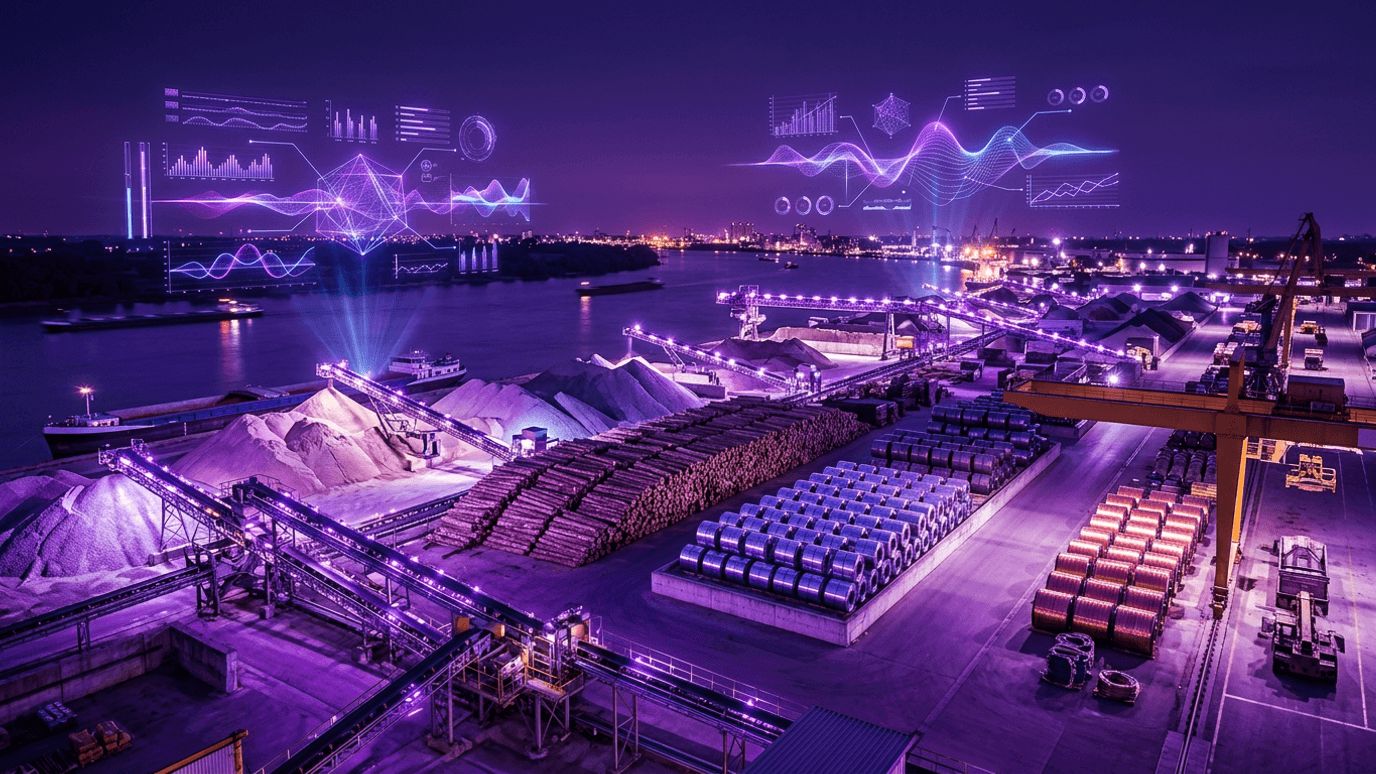
Every product and structure begins with raw materials. In Antioch, contractors need sand, gravel, and cement for foundations and roads. Manufacturers need resins, metals, and minerals for production. Builders need lumber for framing, and electrical contractors need copper wire. Access to dependable raw material suppliers is essential for keeping projects on schedule and controlling costs.
Antioch's location along the San Joaquin River and near major rail and highway corridors gives it efficient access to raw materials from Northern California and beyond. The following ten suppliers stand out for their capacity, quality, and regional presence.
Raw Materials and Antioch's Economy
Antioch's construction boom, ongoing infrastructure upgrades, and industrial activity drive steady demand for raw materials. Levee maintenance and flood control projects in the Delta require large volumes of rock and fill. Housing developments consume lumber and concrete, while local manufacturers depend on reliable supplies of plastics, metals, and minerals.
The Top 10 Raw Material Suppliers Serving Antioch
1. Heidelberg Materials
Heidelberg Materials, formerly operating in the region under the Hanson and Lehigh names, produces cement, aggregates, and ready-mix concrete across Northern California. Its products support major infrastructure and commercial projects. The company is investing in lower-carbon cement and carbon capture technologies, aligning with California's climate goals.
2. Martin Marietta
Martin Marietta is one of the nation's largest suppliers of aggregates and heavy building materials. Its California operations provide crushed stone, sand, and gravel for highways, buildings, and site development. Antioch contractors rely on its consistent quality and large-scale capacity for major projects.
3. Graniterock
Graniterock is a California-based, employee-focused company producing aggregates, ready-mix concrete, and asphalt. It is known for exceptional quality and award-winning business practices. Its construction materials serve infrastructure and commercial projects throughout Northern California.
4. Syar Industries
Syar Industries, based in Napa, is a family-owned supplier of aggregates, asphalt, and ready-mix concrete. It serves the North Bay and surrounding regions with high-quality construction materials. Syar's commitment to environmental stewardship and community involvement has earned it a strong reputation.
5. Teichert
Teichert, headquartered in Sacramento, is one of California's oldest construction and materials companies. It produces aggregates, asphalt, and ready-mix concrete and also performs heavy civil construction. Its proximity to East County makes it a convenient supplier for Antioch infrastructure projects.
6. Ravago
Ravago is a global distributor of plastic resins and polymers, supplying manufacturers with materials for injection molding, extrusion, and packaging. Its technical support helps manufacturers choose the right resin for each application. Antioch-area plastic processors rely on Ravago for consistent material supply.
7. Southwire
Southwire is one of the largest manufacturers of wire and cable in North America. Its copper and aluminum wire products are used in residential, commercial, and utility applications. Antioch electrical contractors and utilities rely on Southwire for dependable, code-compliant wiring materials.
8. Weyerhaeuser
Weyerhaeuser is one of the world's largest private owners of timberlands and a major producer of wood products. Its lumber and engineered wood products are used in residential construction across California. Antioch builders benefit from Weyerhaeuser's sustainably managed forests and consistent product quality.
9. Sierra Pacific Industries
Sierra Pacific Industries is a California-based lumber producer and one of the largest landowners in the state. It manufactures lumber, millwork, and windows. Its in-state production offers Antioch builders dependable access to domestic lumber with shorter transportation distances.
10. Imerys
Imerys is a global producer of mineral-based specialties, with significant operations in California. Its minerals, such as diatomaceous earth and perlite, are used in filtration, agriculture, construction, and manufacturing. Antioch businesses in water treatment and agriculture benefit from these specialized materials.
How to Choose a Raw Material Supplier
Assess the quality specifications your project requires and confirm the supplier can meet them consistently. Evaluate transportation distance, since freight costs can significantly affect total price. Ask about certifications, testing documentation, and sustainability practices. Long-term contracts can provide price stability during market fluctuations.
Raw Material Industry Trends
Lower-carbon cement and recycled aggregates are becoming more common as public agencies adopt sustainability requirements. Supply chain resilience is a priority, encouraging buyers to source closer to home. Digital tracking and procurement tools are improving visibility into deliveries and inventory.
Frequently Asked Questions
How do freight costs affect raw material pricing?
Heavy materials such as aggregates and cement are expensive to transport, so distance from the quarry or plant can significantly increase total cost. Sourcing from regional suppliers and coordinating deliveries efficiently helps Antioch contractors control project budgets.
What are recycled aggregates?
Recycled aggregates are produced by crushing concrete, asphalt, and other construction materials. They can be used for road base, fill, and some concrete applications. Using recycled aggregates reduces landfill waste and the need for new quarrying, supporting California's sustainability goals.
How can manufacturers protect against supply disruptions?
Diversify suppliers, maintain safety stock for critical materials, and build strong relationships with distributors. Long-term agreements and regular forecasting communication help ensure priority access when supplies tighten.
Final Thoughts
Antioch's growth depends on a reliable flow of raw materials. By partnering with suppliers that combine quality, capacity, and sustainability, local businesses can build stronger infrastructure, manufacture better products, and support the long-term prosperity of East Contra Costa County.