
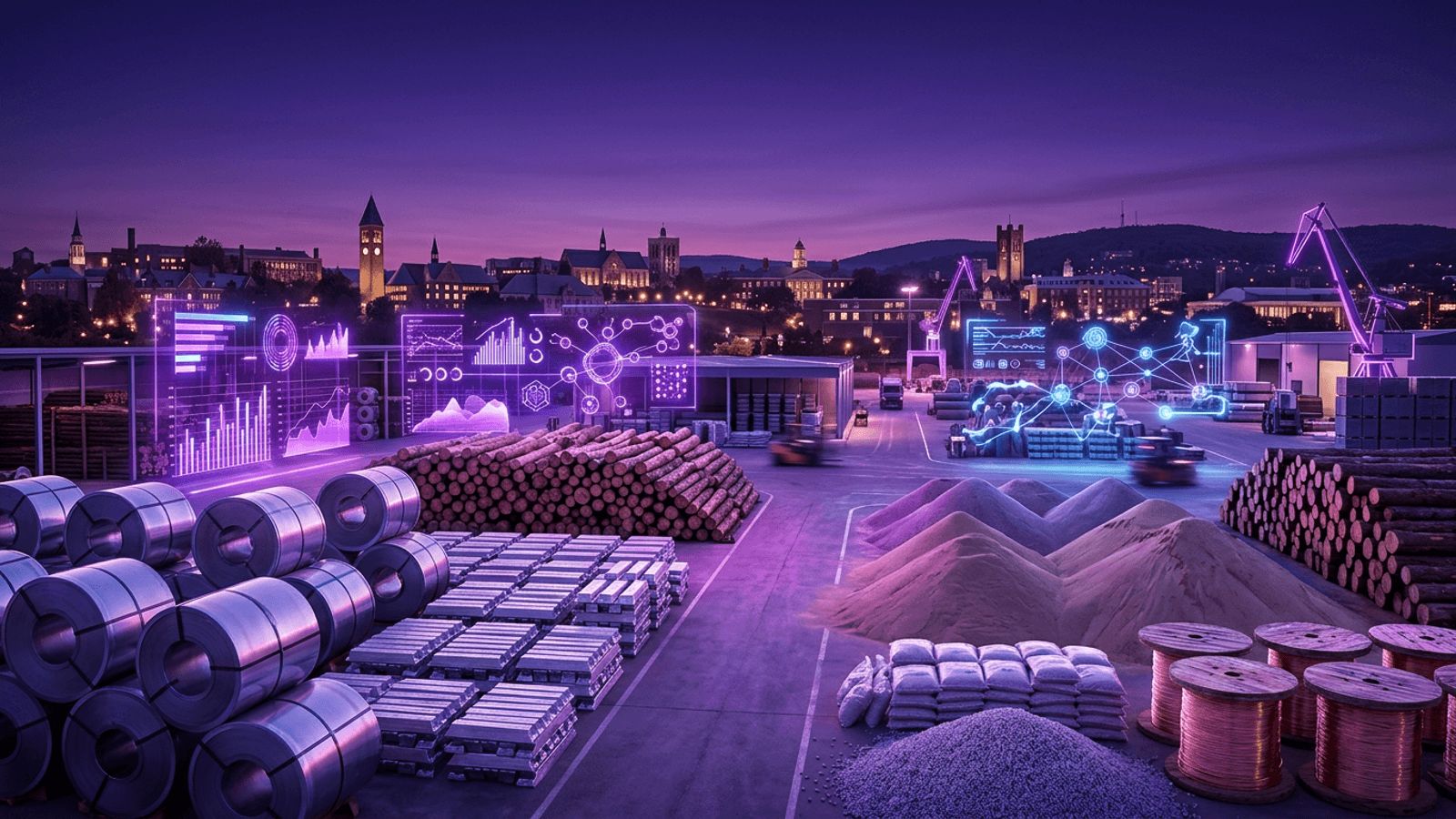
The Foundation of Manufacturing in Ann Arbor
Every manufactured product begins with raw materials. Steel bar, aluminum sheet, plastic resin, industrial chemicals, sand, and stone are the building blocks that local manufacturers, fabricators, and construction firms transform into finished goods and infrastructure. In the Ann Arbor area, a strong network of raw material suppliers ensures these essential inputs arrive on time and to specification.
This list highlights ten raw material suppliers serving Ann Arbor and Southeast Michigan, covering metals, chemicals, plastics, and aggregates.
Why Supply Reliability Matters
Manufacturers in Washtenaw County operate with lean inventories, especially those serving automotive and medical device customers. A delayed material shipment can halt production lines and jeopardize customer commitments. Suppliers that offer consistent quality, certifications, processing services, and dependable logistics are invaluable partners.
1. Alro Steel
Headquartered in Jackson, Michigan, Alro Steel is one of the largest metals service centers in the country. It supplies carbon steel, stainless, aluminum, and plastics, along with cutting and processing services. Its Michigan roots and extensive inventory make it a key resource for Ann Arbor-area shops.
2. Ryerson
Ryerson is a leading value-added processor and distributor of industrial metals. It offers stainless steel, aluminum, carbon steel, and fabrication services, helping manufacturers reduce in-house processing and streamline supply chains.
3. Olympic Steel
Olympic Steel operates metals service centers in Michigan, supplying flat-rolled carbon, stainless, and aluminum products. Its laser cutting, forming, and welding capabilities provide near-finished components for manufacturers.
4. Kloeckner Metals
Kloeckner Metals distributes steel and aluminum products with a strong focus on digital ordering and supply chain transparency. Its regional facilities serve fabricators and manufacturers with processing services and reliable delivery.
5. Univar Solutions
Univar Solutions is a global distributor of chemicals and ingredients. It supplies industrial chemicals, solvents, and specialty ingredients to manufacturers, labs, and food producers, with technical support and regulatory expertise.
6. Brenntag
Brenntag is one of the world's largest chemical distributors, providing industrial and specialty chemicals with blending and packaging services. Its regional network supports manufacturers needing consistent chemical supply.
7. Muehlstein
Muehlstein, part of the Ravago group, distributes plastic resins and rubber compounds. Plastics molders and extruders in Southeast Michigan rely on it for prime and specialty resins and technical guidance on material selection.
8. Edw. C. Levy Co.
Edw. C. Levy Co. supplies aggregates and slag-based construction materials throughout Southeast Michigan. Its recycled materials are used in road building and concrete, supporting sustainable infrastructure projects.
9. Stoneco of Michigan
Stoneco produces crushed stone, sand, and gravel for construction projects across the region. Its quarries and distribution yards supply contractors building roads, foundations, and commercial sites.
10. Huron Valley Steel Corporation
Huron Valley Steel is a major processor of recycled nonferrous metals. It recovers aluminum and other metals from scrap and supplies them back to the manufacturing supply chain, supporting a circular economy.
Benefits of Regional Raw Material Suppliers
Working with suppliers located in Michigan reduces freight costs, shortens lead times, and improves responsiveness. Service centers that cut and process materials to size save manufacturers labor and scrap. Many regional suppliers offer just-in-time delivery and consignment inventory programs that help businesses free up working capital while ensuring materials are available when needed.
Close relationships also improve quality. When suppliers understand a manufacturer's applications, they can recommend alternative grades, warn about market shifts, and help solve material-related production problems before they become costly.
How to Choose a Raw Material Supplier
Evaluate material certifications, traceability, processing capabilities, inventory depth, and delivery performance. Ask about price stability strategies, minimum order quantities, and sustainability practices such as recycled content and low-carbon materials.
Trends in Raw Material Supply
Price volatility and supply chain disruptions have pushed manufacturers to diversify suppliers and increase visibility into material markets. Demand for recycled and low-carbon metals is rising. Digital ordering platforms and real-time inventory tracking are becoming standard expectations.
Frequently Asked Questions
What is a metals service center?
A service center buys metals from mills, stores them, and provides cutting, processing, and delivery to manufacturers in smaller quantities.
How can manufacturers protect against material price swings?
Options include long-term supply agreements, index-based pricing, diversified sourcing, and strategic inventory planning.
Local Insight: Ann Arbor's Supply Chain Advantage
Ann Arbor's location offers manufacturers a meaningful logistics edge. The city sits near major interstate corridors connecting Detroit, Chicago, Toledo, and Lansing, making it easy for service centers and distributors to deliver materials quickly. Michigan's concentration of steel processors, chemical distributors, and aggregate producers means alternative suppliers are rarely far away if a primary source experiences delays. For startups and research-driven manufacturers in Washtenaw County, this dense supplier network makes it possible to source small quantities for prototypes and then scale smoothly into production volumes without changing regions. Many suppliers also offer technical staff who can advise on material substitutions when specific grades become scarce.
Final Thoughts
Raw material suppliers form the foundation of Ann Arbor's manufacturing and construction economy. By choosing reliable, well-equipped partners, local businesses can maintain production, control costs, and build more resilient supply chains.