
Waco's Railroad Heritage
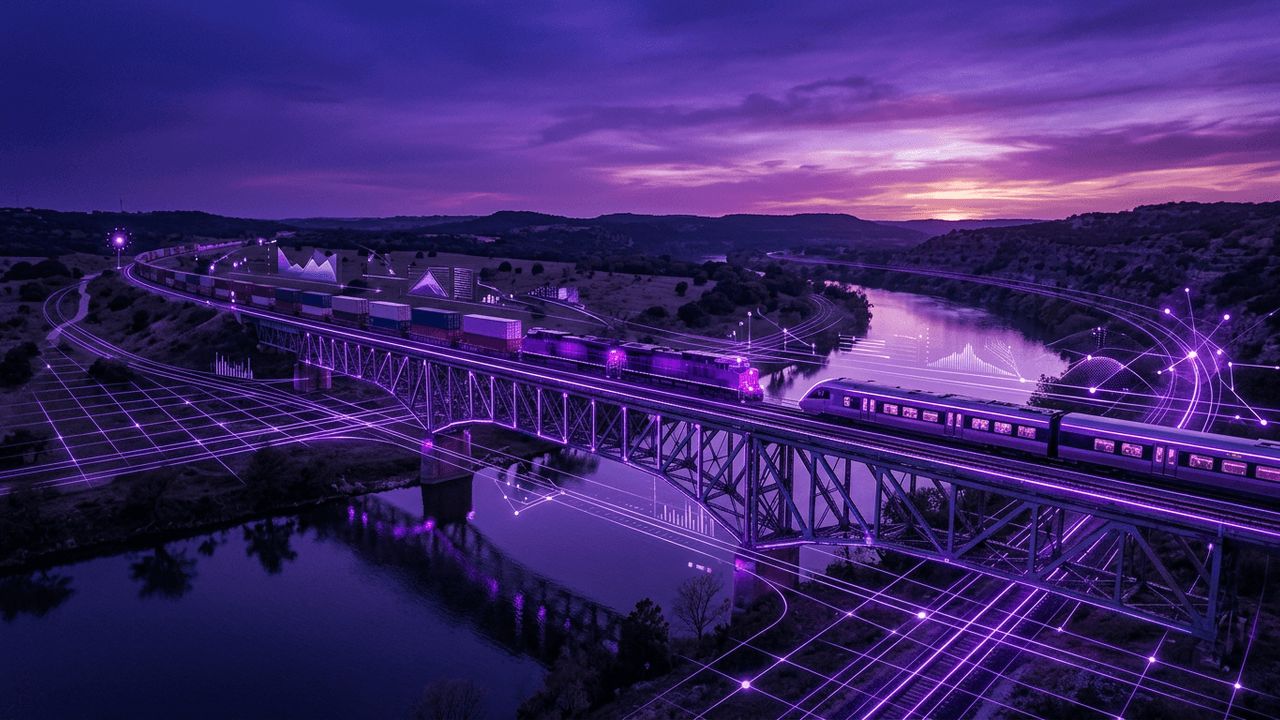
Railroads played a defining role in Waco's growth during the late nineteenth and early twentieth centuries. Rail lines connected the city's cotton markets, manufacturers and merchants to national markets, helping Waco become a commercial center of Central Texas. Today, rail remains important for moving bulk commodities, manufactured goods and intermodal containers, and passenger rail provides a scenic alternative to driving for travelers heading across the country.
How We Selected These Operators
This list includes freight railroads, passenger services and rail-related operators that serve or connect with the Waco area. We evaluated them based on network reach, service reliability, safety record, customer support and their overall importance to the regional economy and travelers.
1. Union Pacific Railroad
Union Pacific is the largest railroad in Texas and operates key lines through the Waco region. It moves aggregates, chemicals, grain, automotive parts and intermodal containers, linking Central Texas with ports, Mexico and markets across the western United States. For heavy industrial shippers, Union Pacific is an essential partner.
2. BNSF Railway
BNSF operates one of the largest freight networks in North America, with a strong presence in Texas. Its lines and trackage rights in Central Texas support shipments of agricultural products, building materials and consumer goods. BNSF's intermodal facilities in the Dallas-Fort Worth area give Waco shippers access to national container service.
3. Amtrak Texas Eagle
Amtrak's Texas Eagle route connects Chicago and San Antonio, with continuing service toward Los Angeles. The nearby McGregor station serves Waco-area passengers, offering a relaxing way to travel to Dallas, Austin, San Antonio and destinations far beyond. Coach seating, sleeper accommodations and a dining car make long journeys comfortable.
4. Amtrak Thruway Connections
Amtrak's Thruway bus connections help passengers link with train routes when direct rail service is not available. For Waco residents, these connections expand travel options to additional Texas cities and make multimodal trips more convenient.
5. Canadian Pacific Kansas City
Canadian Pacific Kansas City, formed through the combination of Canadian Pacific and Kansas City Southern, operates the first single-line railroad connecting Canada, the United States and Mexico. While its main Texas lines are outside Waco, its network strongly influences cross-border freight flowing through Central Texas and creates new opportunities for regional shippers.
6. Texas Short-Line Railroads
Short-line railroads operate smaller rail lines across Texas, providing first-mile and last-mile service between local industries and Class I railroads. These operators are crucial for businesses located away from main lines and help keep rural and industrial customers connected.
7. Watco
Watco operates short-line railroads, terminals and transload facilities across North America, including Texas. Its transloading services allow shippers without direct rail access to move goods between trucks and railcars, extending the benefits of rail to more businesses.
8. Genesee and Wyoming
Genesee and Wyoming owns and operates numerous short-line and regional railroads in the United States. Its Texas operations provide flexible, customer-focused service and connect local industries to national rail networks.
9. Rail Transload and Intermodal Service Providers
Several logistics companies in Central Texas operate transload facilities where freight is transferred between trucks and railcars. These providers give Waco manufacturers and distributors the ability to use rail for long-distance moves while relying on trucks for local pickup and delivery.
10. Heritage and Excursion Rail Operators
Texas is home to heritage railroads that offer scenic excursion rides aboard historic equipment. Waco-area families often take day trips to enjoy these experiences, which celebrate the state's rich railroad history and provide memorable entertainment for rail enthusiasts.
Benefits of Rail for Waco Businesses and Travelers
- Cost efficiency: Rail is often cheaper than trucking for heavy or bulk shipments over long distances.
- Lower emissions: Trains move freight with significantly less fuel per ton-mile than trucks.
- Reduced highway congestion: Shifting freight to rail eases traffic on Interstate 35.
- Comfortable passenger travel: Trains offer space to work, relax and enjoy scenic views.
- Reliability: Rail schedules are less affected by highway traffic and construction.
Rail Industry Trends
The rail industry is investing in precision scheduled railroading, positive train control, automated track inspection and fuel-efficient locomotives. Interest in passenger rail across Texas continues to grow, with ongoing discussions about high-speed and expanded intercity service linking Dallas, Houston, Austin and San Antonio. Increased cross-border trade with Mexico is also boosting demand for rail capacity through Texas corridors, which could benefit Central Texas logistics.
Tips for Using Rail Services
Businesses considering rail should start by evaluating shipment weight, distance and frequency, since rail offers the greatest savings on heavy loads traveling several hundred miles or more. Working with a transload provider or intermodal marketing company can make rail accessible even without a private rail spur. Passengers planning trips on the Texas Eagle should book early for the best fares, allow extra time for connections and consider sleeper accommodations for overnight segments, which include meals and added privacy.
Final Thoughts
Rail remains a cornerstone of Waco's economy and a valuable travel option for residents. Union Pacific and BNSF provide the heavy lifting for freight, short-line and transload operators extend rail access to more businesses, and Amtrak's Texas Eagle offers a scenic journey from nearby McGregor. Whether you are shipping goods or planning a trip, the rails continue to connect Waco to the rest of the continent.