
The Significance of Rail in Uzbekistan
Railways occupy a place of profound importance in Uzbekistan's transport landscape. The country boasts one of the most developed rail networks in Central Asia, linking major cities, industrial centers, and remote regions across its expansive territory. From sleek high-speed passenger trains to heavy-duty freight services, rail transport offers efficiency, capacity, and reliability that few other modes can match.
The modernization of Uzbekistan's railways has been a defining achievement, with high-speed lines reducing travel times between key destinations and elevating the passenger experience. Rail also serves as a crucial artery for moving goods, supporting industries from agriculture to mining. This article examines ten of the most notable railway operators and services contributing to the nation's rail excellence.
National Rail Leadership
O'zbekiston Temir Yo'llari, the national railway company, stands as the cornerstone of the country's rail system. Operating an extensive network of passenger and freight services, it has spearheaded the modernization efforts that have transformed Uzbek rail travel. Its commitment to infrastructure investment and service quality has set the standard for the entire sector.
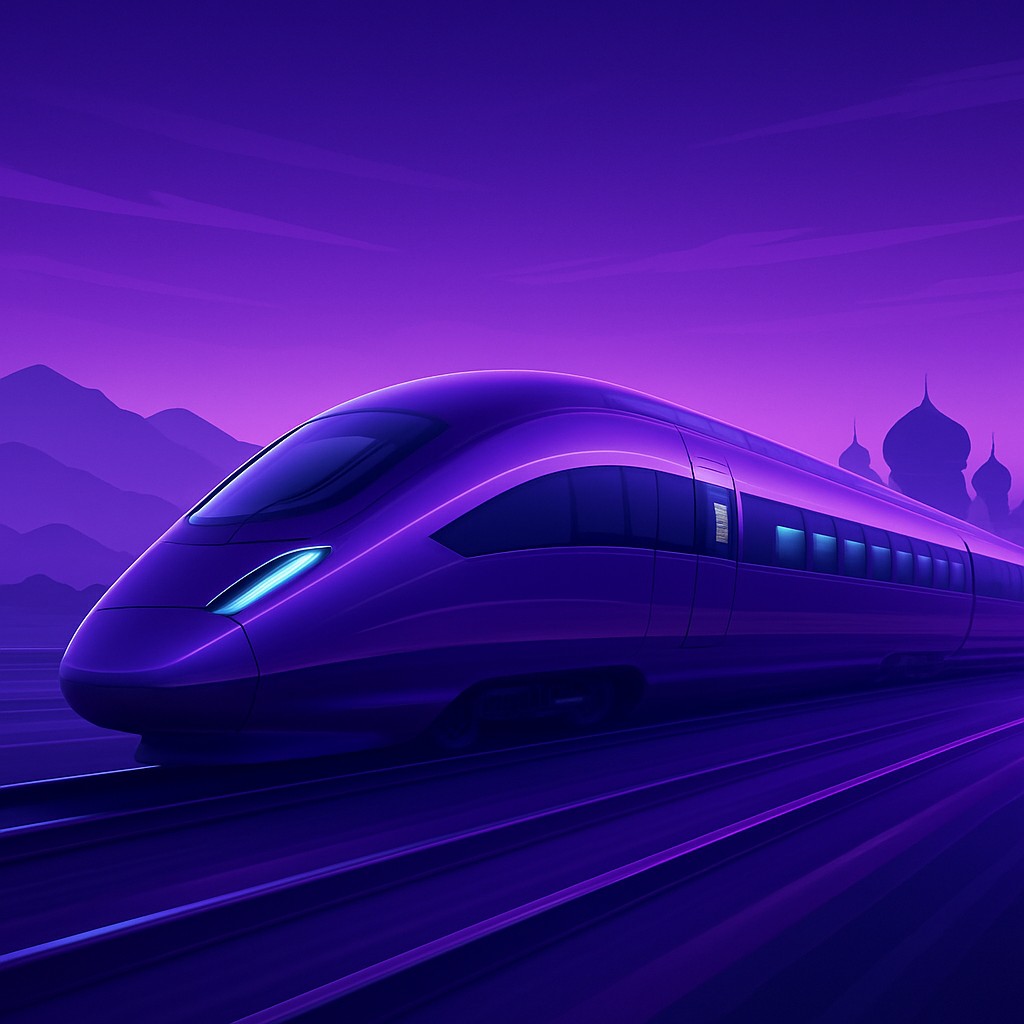
Afrosiyob High-Speed Service represents the pinnacle of passenger rail in Uzbekistan, connecting Tashkent, Samarkand, Bukhara, and other cities with remarkable speed and comfort. The high-speed trains have revolutionized intercity travel, offering a fast, smooth, and modern alternative to road transport that appeals to both business travelers and tourists.
Sharq Express provides comfortable intercity passenger services, linking major cities with well-appointed trains. Known for its reliability and pleasant onboard experience, the service has become a popular choice for travelers seeking convenience and value.
Freight and Industrial Rail
Uzbek Rail Cargo specializes in freight transport, moving vast quantities of goods across the national network. From bulk commodities to containerized cargo, the operator supports industries throughout the country with dependable and high-capacity rail services.
Central Asia Rail Freight focuses on cross-border cargo movement, connecting Uzbekistan with regional markets through international rail corridors. Its expertise in coordinating long-distance freight makes it a vital link in Central Asian trade.
Navoi Industrial Railway serves the mining and manufacturing zones, providing specialized rail services tailored to heavy industry. The operator's robust infrastructure and capacity make it indispensable for transporting raw materials and finished products.
Regional Rail Services
Fergana Valley Railway connects the populous eastern regions with the rest of the country, navigating challenging terrain to provide essential passenger and freight services. Its routes are a lifeline for communities and businesses in the valley.
Samarkand Rail Connect anchors operations in the historic city, serving as a key node in the national network. The service supports both tourism and commerce, reflecting Samarkand's enduring role as a crossroads of travel and trade.
Bukhara Regional Trains provide reliable connectivity for the western regions, linking the ancient city with destinations across the country. The service combines heritage appeal with practical transport solutions.
Karakalpak Rail Network extends rail services to the western frontier, bridging great distances to connect remote communities with the national system. Its presence supports regional development and ensures that even distant areas remain integrated into the broader economy.
Innovation and the Future of Rail
Uzbekistan's railway sector continues to advance, driven by ongoing investment in high-speed infrastructure, electrification, and modern rolling stock. The expansion of high-speed services has been particularly transformative, shrinking travel times and enhancing connectivity between major population centers. These improvements have boosted tourism, facilitated business travel, and strengthened national cohesion.
Freight rail is also evolving, with operators adopting containerization, improved logistics coordination, and digital systems to enhance efficiency. The nation's strategic position along emerging trade corridors has spurred interest in expanding international rail links, positioning Uzbekistan as a key transit hub. Environmental benefits add to rail's appeal, as it offers a lower-emission alternative to road transport for both passengers and cargo.
Conclusion
Railways are a source of national pride and economic strength in Uzbekistan, embodying the country's commitment to modernization and connectivity. The ten operators and services highlighted here showcase the breadth and quality of the nation's rail offerings, from high-speed passenger trains to heavy freight services. As investment continues and networks expand, Uzbek rail is poised to play an even greater role in shaping the future of travel and trade across Central Asia.