
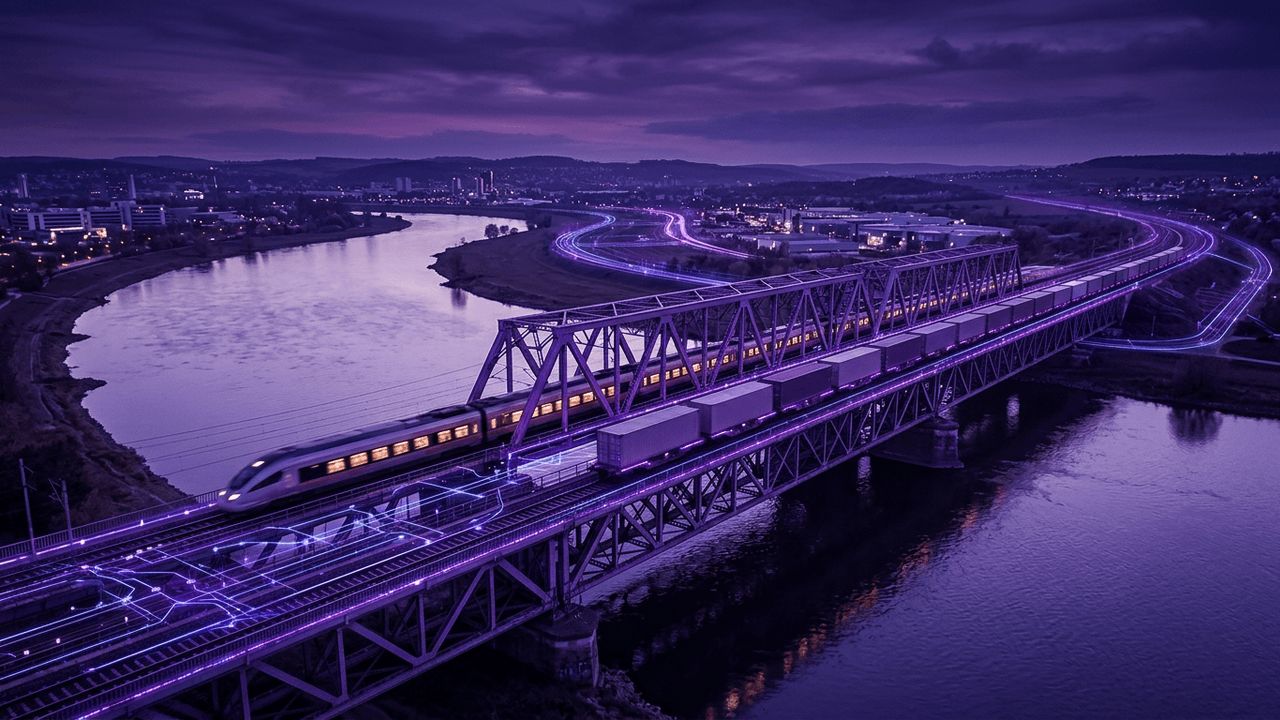
The Importance of Rail in Tuscaloosa
Railroads have shaped Tuscaloosa's growth for more than a century. Today, rail lines carry coal, timber, chemicals, automotive parts, and consumer goods through West Alabama, supporting manufacturing and natural resource industries. Passenger rail also connects Tuscaloosa to major cities along the East Coast and the Gulf South, offering a scenic alternative to driving or flying.
The railway landscape includes national passenger service, Class I freight railroads, short-line operators, and port-connected terminal railways. Here are ten rail operators and partners that matter to Tuscaloosa travelers and businesses.
The Top 10 Railway Operators for Tuscaloosa
1. Amtrak
Amtrak's Crescent route stops in Tuscaloosa, linking the city with New Orleans to the south and Atlanta, Charlotte, Washington, and New York to the north. Travelers enjoy spacious seating, dining options, and sleeper accommodations on overnight journeys. It is a relaxing way for students, families, and retirees to travel long distances.
2. Norfolk Southern
Norfolk Southern is the primary Class I freight railroad serving Tuscaloosa. Its network covers much of the eastern United States, connecting West Alabama manufacturers and resource producers to major markets and ports. Norfolk Southern also owns the tracks used by Amtrak's Crescent through the region.
3. CSX Transportation
CSX operates an extensive freight network across the eastern United States, with major operations in Birmingham. Tuscaloosa shippers can access CSX service through regional connections and transload facilities. Its intermodal network offers efficient long-distance shipping for containers and trailers.
4. BNSF Railway
BNSF is one of the largest freight railroads in North America, with a network reaching Birmingham. It connects Alabama shippers to western markets and Pacific ports. Businesses shipping goods to and from the West Coast often rely on BNSF through interchange partnerships.
5. CN
Canadian National operates rail lines in Alabama, including routes serving Mobile and the Birmingham area. Its network extends north into the Midwest and Canada, creating valuable international connections. CN offers strong options for bulk commodities, forest products, and intermodal freight.
6. CPKC
Canadian Pacific Kansas City is the first single-line railroad connecting Canada, the United States, and Mexico. Through interchange connections in the Southeast, Alabama shippers can access its network for cross-border trade. This is particularly important for automotive supply chains linked to Mexico.
7. Union Pacific
Union Pacific is a major western railroad that partners with eastern carriers to move freight across the country. Tuscaloosa shippers moving goods to the western United States can benefit from interline service involving Union Pacific, offering broad coverage and reliable transit.
8. Genesee and Wyoming
Genesee and Wyoming owns and operates numerous short-line railroads across the United States, including several in Alabama. Short lines provide essential first-mile and last-mile service, connecting local industries to Class I networks. Their flexibility supports smaller shippers and rural businesses.
9. Watco
Watco operates short-line railroads, terminals, and transload facilities across North America. In Alabama, Watco's operations help connect industrial customers to larger rail networks. Its transload services allow businesses without direct rail access to benefit from rail shipping.
10. Alabama State Port Authority Terminal Railway
The Terminal Railway serving the Port of Mobile connects port facilities with multiple Class I railroads. For Tuscaloosa businesses importing or exporting goods, it provides efficient rail access to global shipping. Its role in linking rail and ocean freight strengthens Alabama's position in international trade.
Benefits of Rail Transportation
Rail is highly fuel-efficient, moving freight with lower emissions per ton-mile than trucks. It is ideal for heavy, bulky shipments over long distances. For passengers, rail offers comfortable seating, scenic views, and freedom from traffic and airport security lines.
Businesses considering rail should evaluate access to rail sidings, transload facilities, and intermodal terminals. Combining rail with trucking often delivers the best balance of cost and flexibility.
Rail Trends in Alabama
Intermodal shipping continues to grow as companies seek cost savings and sustainability. Railroads are investing in technology to improve safety, efficiency, and service reliability. Discussions about expanding passenger rail in the Gulf South and Southeast reflect growing interest in alternatives to car and air travel.
Frequently Asked Questions
Where is the Amtrak station in Tuscaloosa? The Tuscaloosa station serves the Crescent route and is located near downtown. Travelers should check current schedules, as long-distance trains typically run once daily in each direction.
Can small businesses ship by rail? Yes. Businesses without direct rail access can use transload facilities, where goods are transferred between trucks and railcars. Short-line railroads and logistics providers help coordinate these services.
Is rail freight slower than trucking? Rail can take longer for some routes, but it is often more economical and environmentally efficient for heavy shipments traveling long distances. Many companies use rail for planned inventory and trucks for urgent deliveries.
What goods commonly move by rail in West Alabama? Coal, timber and forest products, chemicals, aggregates, and automotive components are among the most common rail commodities in the region.
Final Thoughts
From the Crescent's passenger service to freight networks spanning the continent, rail remains essential to Tuscaloosa. Whether you are traveling to New Orleans or shipping goods across the country, these operators provide efficient, sustainable transportation options.