
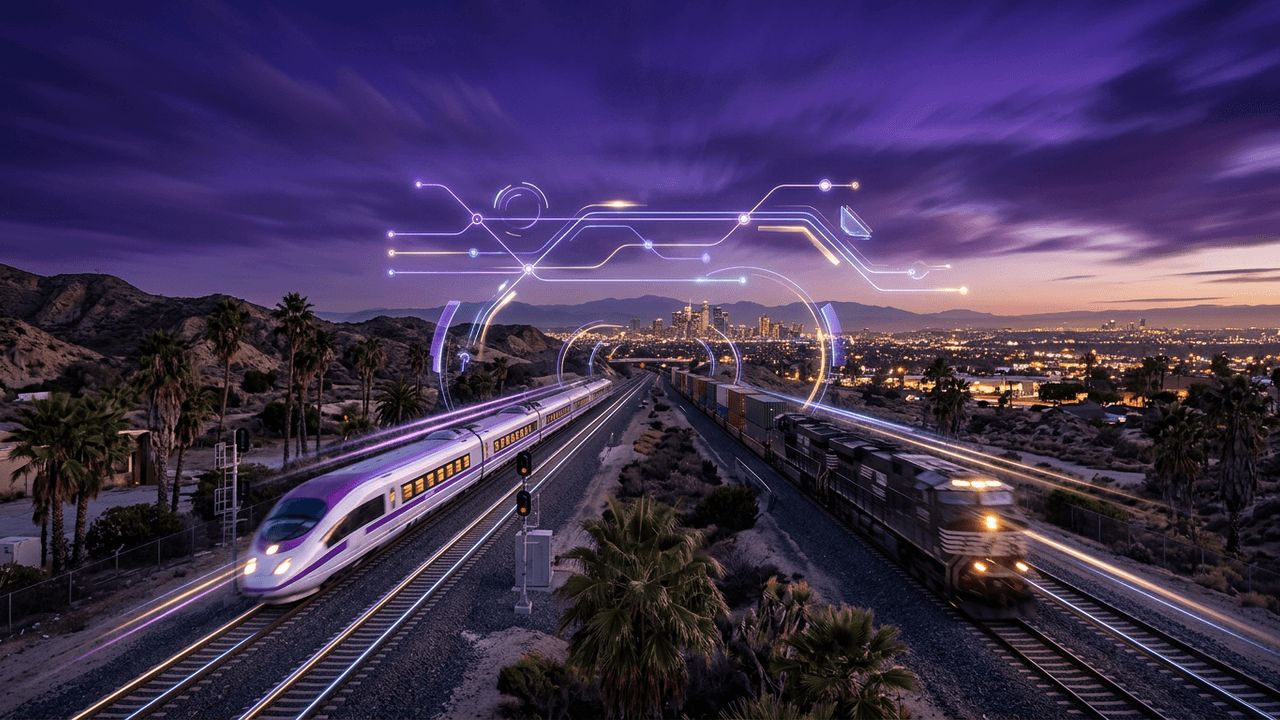
Rail Transportation and Torrance
Torrance has a deep connection to railroads. The city's early development was shaped by industrial rail lines, and freight trains still move goods through the South Bay today. For passengers, Torrance residents rely on nearby stations to access regional commuter trains, Metro light rail, and long-distance Amtrak routes. Ongoing planning for the Metro C Line extension toward Torrance highlights the growing importance of rail in the city's future.
Rail offers efficient, environmentally friendly transportation for both people and goods. The following ten railway operators are the most important for Torrance travelers, commuters, and businesses.
The 10 Best Railway Operators Serving Torrance
1. LA Metro Rail
LA Metro operates the region's light rail and subway network. The C Line and K Line serve the South Bay, with the Redondo Beach station providing the closest access for many Torrance residents. The planned extension of rail service toward the Torrance Regional Transit Center promises to strengthen connections between the city and the wider network.
2. Amtrak
Amtrak provides long-distance and intercity rail service from Los Angeles Union Station. Routes such as the Pacific Surfliner, Coast Starlight, Southwest Chief, and Sunset Limited connect Southern California with San Diego, the Pacific Northwest, Chicago, and beyond.
3. Amtrak Pacific Surfliner
The Pacific Surfliner deserves special mention for its scenic coastal route between San Luis Obispo, Los Angeles, and San Diego. Torrance travelers frequently use it for weekend trips, enjoying ocean views and comfortable seating without the stress of driving.
4. Metrolink
Metrolink is Southern California's regional commuter rail system, connecting Los Angeles with Orange, Riverside, San Bernardino, Ventura, and northern San Diego counties. Torrance commuters can reach Metrolink through connections at Union Station and other regional hubs.
5. Union Pacific Railroad
Union Pacific is one of the largest freight railroads in North America. Its network carries containers and bulk goods from Southern California's ports to markets across the western and central United States, supporting importers and manufacturers in the South Bay.
6. BNSF Railway
BNSF Railway operates one of the largest freight networks in North America and has a significant presence in Southern California. Its intermodal services move port cargo inland efficiently, and its historic Harbor Subdivision passes through the South Bay region.
7. Pacific Harbor Line
Pacific Harbor Line provides rail switching and dispatching services within the Ports of Los Angeles and Long Beach. It plays a critical role in moving containers between terminals and the mainline railroads, and it has been recognized for its efforts to reduce emissions.
8. Los Angeles Junction Railway
The Los Angeles Junction Railway, a BNSF subsidiary, provides switching services for industrial customers in the Los Angeles area. Such short line and switching operations are essential links between local industries and national rail networks.
9. Alameda Corridor Transportation Authority
While not a train operator itself, the Alameda Corridor Transportation Authority manages the Alameda Corridor, a grade-separated freight rail expressway connecting the ports to downtown Los Angeles rail yards. It significantly reduces traffic congestion and improves freight efficiency.
10. Brightline West
Brightline West is developing a high-speed passenger rail line between Southern California and Las Vegas. Once completed, it is expected to give South Bay travelers a fast, comfortable alternative to driving across the desert.
The Benefits of Rail Travel
Rail travel avoids freeway congestion, allows passengers to work or relax during their journey, and produces fewer emissions per passenger than driving. For freight, railroads move large volumes efficiently over long distances, reducing truck traffic on Southern California freeways.
Rail Trends in Southern California
The region is investing heavily in rail modernization. Metro continues to expand its network, Metrolink is upgrading service frequency, and high-speed rail projects are advancing. Freight railroads are testing zero-emission locomotives and improving intermodal capacity to support port growth. These investments position rail as an increasingly important part of the transportation future for Torrance.
Tips for Torrance Rail Travelers
Use Torrance Transit or Metro buses to reach rail stations, or consider park-and-ride facilities. Purchase TAP cards for seamless transfers between buses and Metro rail. For Amtrak trips, book in advance to secure the best fares, and allow extra time to reach Union Station during peak traffic hours.
Frequently Asked Questions
Is there a train station in Torrance?
Torrance does not currently have a Metro rail station, but nearby stations such as Redondo Beach provide access to the network. Planning is underway to extend rail service toward the Torrance Regional Transit Center.
How can I take Amtrak from Torrance?
Most Torrance residents reach Amtrak at Los Angeles Union Station by car, ride-hailing, or a combination of bus and Metro rail. From there, travelers can connect to routes throughout California and the nation.
Why do freight trains matter to Torrance?
Freight railroads move large volumes of port cargo inland efficiently, supporting local businesses and reducing truck traffic on regional freeways.
Final Thoughts
From commuter trains and scenic coastal routes to the freight railroads that power the regional economy, rail plays a vital role in Torrance. These ten railway operators provide the connections that keep South Bay residents moving and goods flowing across the nation.