
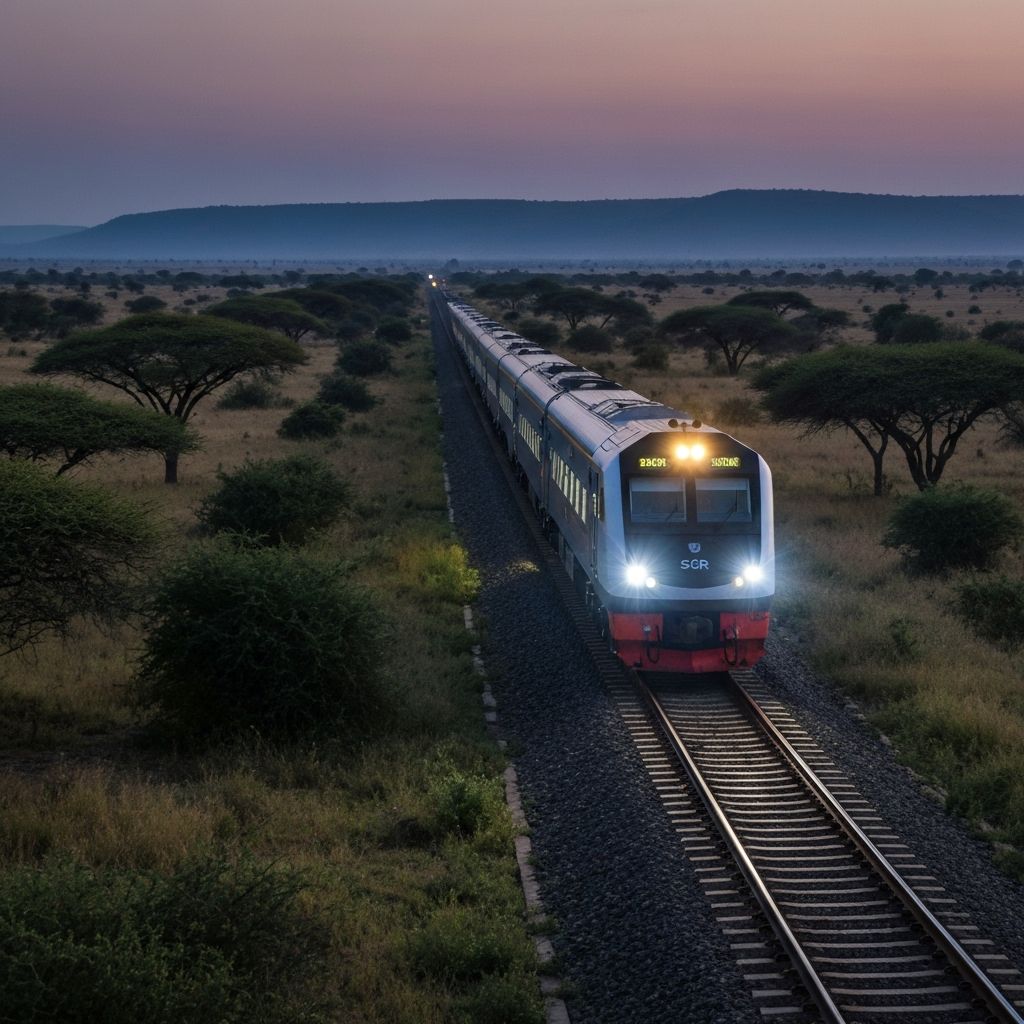
The Renaissance of Tanzania's Railways
Tanzania is in the middle of a major railway transformation. With the launch of the Standard Gauge Railway (SGR) and modernization investments across the network, rail transport is once again becoming a strategic backbone for the country's economy. From bustling commuter lines to long-haul freight routes connecting landlocked neighbors, Tanzania's railways are critical to regional trade, mobility, and development.
Why Railways Matter for Tanzania
Compared to road transport, railways offer significant advantages in cost-efficiency, capacity, and environmental impact. They reduce highway congestion, lower emissions per ton-kilometer, and unlock economic potential in mining, agriculture, and manufacturing. As Tanzania positions itself as a regional logistics hub, well-managed railway operators play a fundamental role in delivering on this vision.
1. Tanzania Railways Corporation (TRC)
The state-owned TRC is the principal operator of railway services in Tanzania, managing the central line connecting Dar es Salaam to Mwanza, Kigoma, and other key destinations. TRC handles both passenger and freight services across a vast network.
2. Tanzania-Zambia Railway Authority (TAZARA)
TAZARA jointly operates one of Africa's most iconic railways, connecting Dar es Salaam with Kapiri Mposhi in Zambia. The line plays a vital role in moving copper exports, agricultural goods, and passengers across the region.
3. Standard Gauge Railway (SGR) Tanzania
Operated under TRC, the SGR is the modern flagship of Tanzanian railways. The new electrified line links Dar es Salaam to Morogoro, Dodoma, and beyond, with high-speed passenger trains and modern freight services.
4. Reli Assets Holding Company (RAHCO) Legacy Operations
While operations have largely been integrated into TRC, RAHCO's legacy infrastructure and assets continue to underpin Tanzania's railway capacity, especially across older meter-gauge lines.
5. Central Line Passenger Services
The Central Line remains a cultural and economic icon, offering long-distance journeys from Dar es Salaam to Lake Victoria and Lake Tanganyika, popular with both locals and adventurous travelers.
6. Dar es Salaam Commuter Rail (DART Rail Integration)
Integrated commuter services within Dar es Salaam help ease urban congestion, connecting suburbs with the city center and providing affordable transport for thousands of daily commuters.
7. SGR Freight Services
The SGR's freight component is rapidly transforming cargo movement between the Port of Dar es Salaam and inland depots, increasing capacity and shortening transit times for regional shippers.
8. TAZARA Freight Operations
TAZARA freight services remain essential for transporting copper, cobalt, fertilizer, and grain between Zambia and Tanzania, supporting cross-border trade and industrial supply chains.
9. Mtwara Railway Project Operators
Planned and partially developed lines around Mtwara aim to connect southern Tanzania's resource-rich regions with key ports, offering future opportunities for mining and agricultural transport.
10. Cross-Border Rail Partnerships
Tanzania participates in regional rail collaborations with neighboring countries, supporting joint corridors and integrated freight networks that strengthen East African trade.
Choosing the Right Rail Service
For passengers, the SGR offers a modern, fast, and comfortable option, while traditional services like the Central Line provide a more scenic, cultural journey. Businesses moving freight should evaluate transit times, capacity, container compatibility, and integration with port operations when choosing the most efficient rail solution.
The Future of Rail in Tanzania
With ongoing extensions of the SGR, modernization of legacy lines, and renewed cross-border partnerships, Tanzania's railway sector is on track for sustained growth. Rail will continue to play a transformational role in reducing logistics costs, supporting industrialization, and enhancing connectivity across East and Southern Africa.