
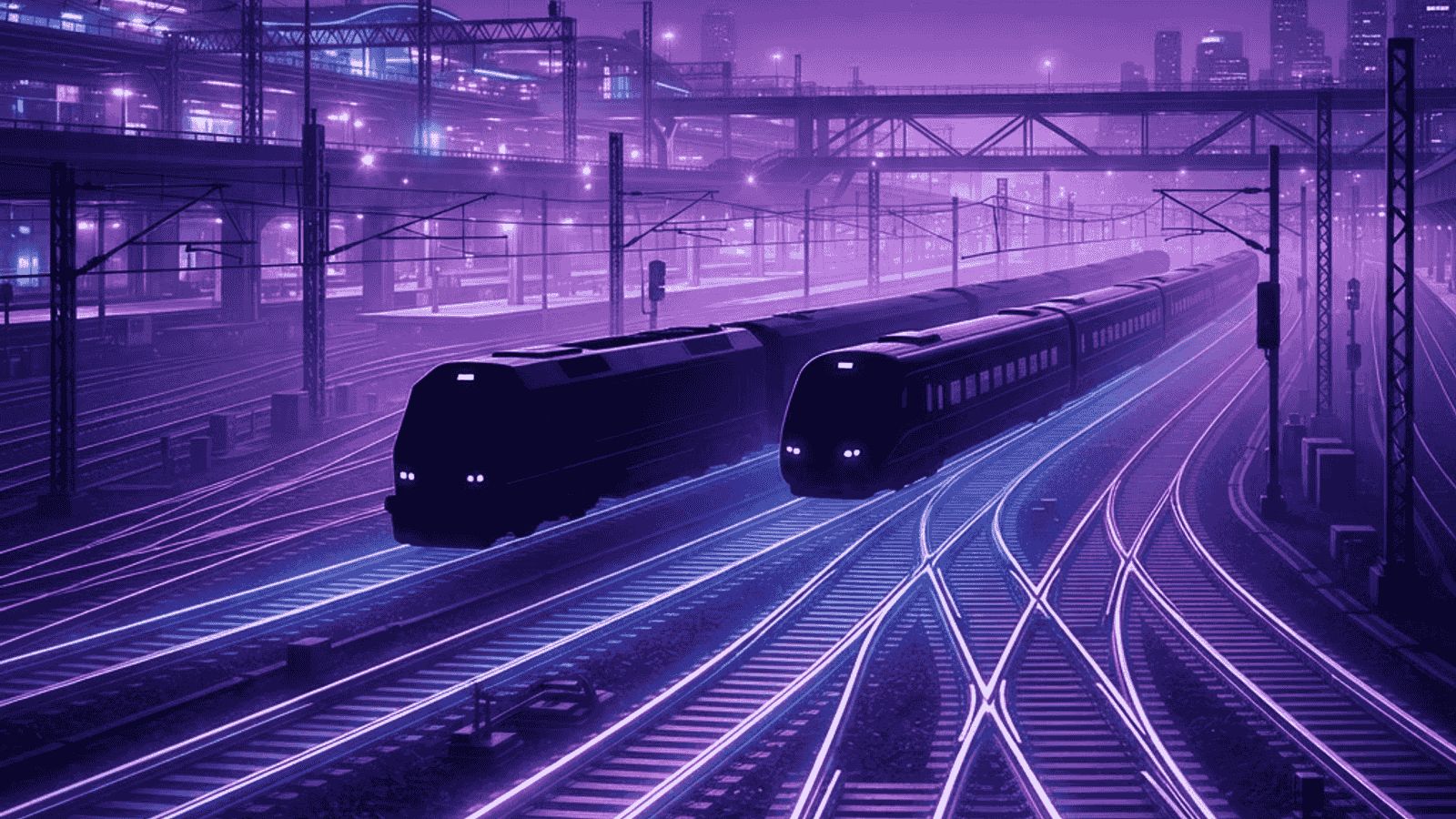
A City Built by Railroads
St. Paul's development is inseparable from rail. The city became a major terminus during the era when transcontinental railroads were built across the northern United States, and that legacy is still visible in Union Depot, the Lowertown warehouse district, and the extensive yard infrastructure ringing the metro. Railroad wealth financed the mansions along Summit Avenue and shaped the industrial geography that persists today.
Rail remains economically significant rather than merely historic. Grain, oilseeds, fertilizer, taconite, coal, lumber, chemicals, automobiles, and intermodal containers all move through the region by rail. For long-haul freight, rail delivers substantially better fuel efficiency per ton-mile than trucking, which matters for both cost and emissions reporting.
How the Rail Network Is Structured
Class I railroads are the largest carriers, operating long-haul networks across multiple states and into Canada and Mexico. Regional and short line railroads handle shorter distances, serve local industries, and interchange traffic with Class I carriers. Terminal and switching railroads manage yard movements and industrial spurs within metropolitan areas. Passenger rail operates separately, including long-distance intercity service and local transit rail.
Ten Railway Operators in the Region
1. BNSF Railway
One of North America's largest freight railroads, with major operations throughout Minnesota. Its northern transcontinental corridor carries grain, intermodal containers, and industrial commodities, and its regional yard infrastructure is extensive.
2. Union Pacific Railroad
A Class I carrier with significant Minnesota presence, connecting the Upper Midwest to western and southern markets. Shippers use it for access to Gulf Coast, Pacific, and Mexican gateways.
3. Canadian Pacific Kansas City
Formed through the combination of Canadian Pacific and Kansas City Southern, this carrier operates a network linking Canada, the United States, and Mexico. Its Twin Cities operations connect regional shippers directly to that continental corridor.
4. Canadian National Railway
A major carrier with routes through Minnesota serving forest products, agriculture, and mining traffic. Its access to both Atlantic and Pacific Canadian ports offers distinct routing options.
5. Amtrak
The national passenger rail operator serving Union Depot in Lowertown. Long-distance service across the northern tier plus corridor service toward Chicago and Milwaukee gives St. Paul genuine passenger rail connectivity.
6. Metro Transit Green Line
The light rail line connecting downtown St. Paul to downtown Minneapolis along University Avenue. It functions as the backbone of car-free travel between the two cities and has reshaped development along the corridor.
7. Minnesota Commercial Railway
A local short line and switching operator serving industrial customers throughout the Twin Cities. It provides the crucial last-mile rail connection between Class I mainlines and individual facilities.
8. Progressive Rail
A Minnesota-based short line holding company operating regional rail service and transload facilities. Shippers without direct rail access use its transload capability to combine truck and rail economically.
9. Twin Cities and Western Railroad
A regional railroad operating west from the metro across agricultural Minnesota. Grain and agricultural inputs constitute a substantial share of its traffic.
10. Northern Lines Railway
A short line operator serving central Minnesota industries with switching and local freight service, interchanging with larger carriers for onward movement.
Using Rail as a Shipper
Rail rewards volume, distance, and schedule flexibility. Shipments moving several hundred miles or more in carload or container quantities typically see meaningful savings compared with trucking. Facilities without direct track access can still use rail through transload operations, where freight transfers between rail cars and trucks at an intermediate facility. Understanding demurrage and detention rules is essential, since charges accrue when cars sit beyond allotted free time.
Passenger Rail and Union Depot
Union Depot's restoration returned a significant civic landmark to active transportation use, combining intercity rail, bus service, light rail connection, and event space. For travelers, rail offers a fundamentally different experience from flying on regional trips: generous seating, scenic routing along river valleys, and no security screening queues, at the cost of longer transit times.
Trends in the Rail Sector
Precision scheduled railroading practices have reshaped operating models across Class I carriers, affecting service frequency and car availability for some shippers. Intermodal continues to capture long-haul truck freight where transit time tolerance permits. Investment in locomotive fuel efficiency and pilot programs for alternative propulsion is expanding. Shippers increasingly cite rail's emissions advantage in sustainability reporting, which is accelerating modal conversion analysis. Passenger corridor expansion in the Upper Midwest continues to attract policy attention.
Working With Short Lines and Transload Operators
Short line railroads are frequently the most practical entry point for shippers new to rail. They tend to be more flexible on switching schedules, more accessible for direct conversation about service problems, and more willing to develop industrial spur access for growing customers. Transload facilities extend that reach further, allowing companies without any track connection to capture rail line-haul economics by trucking short distances to a transfer point. Commodities that transload well include lumber, steel, plastic pellets, aggregates, and packaged goods in containers. Evaluating a nearby transload option is often the fastest way for a Twin Cities shipper to test rail without capital investment in facility infrastructure.
Final Thoughts
Rail in St. Paul is both heritage and working infrastructure. For shippers, evaluating rail or intermodal conversion on longer lanes frequently uncovers savings that trucking-only analysis misses, particularly when transload options are considered. For travelers, Union Depot offers a genuine alternative for regional trips. In a city whose street grid and wealth were shaped by railroads, it is fitting that rail remains one of its most practical economic assets.