
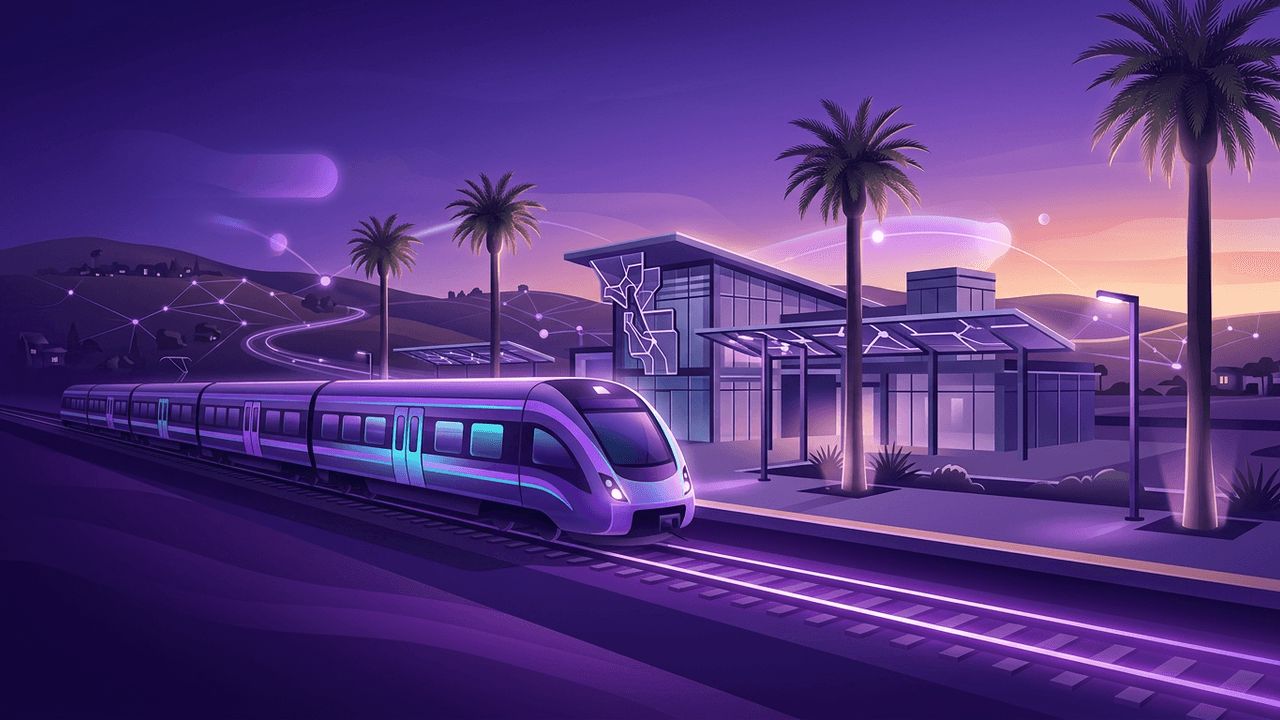
Rail Travel on the San Francisco Peninsula
San Mateo has been a railroad town since the 1860s, when the original San Francisco and San Jose Railroad laid tracks down the Peninsula. Today, that historic corridor carries one of the most modern electrified commuter rail services in the United States. With three Caltrain stations within city limits, including the busy Hillsdale station and the downtown San Mateo stop, residents enjoy convenient access to San Francisco, Silicon Valley, and beyond.
Rail is more than a commuting tool here. It shapes housing decisions, supports transit-oriented development around stations, and offers a lower-carbon alternative to driving on congested highways. This guide covers the railway operators that serve San Mateo directly or are easily reached through convenient connections.
What Makes a Great Railway Operator
When evaluating rail services, travelers typically care about frequency, reliability, comfort, connectivity, and value. Accessibility features, bike accommodations, real-time arrival information, and integration with regional fare systems like the Clipper card also play an important role, especially for daily commuters.
The Top 10 Railway Operators Serving San Mateo
1. Caltrain
Caltrain is the backbone of rail travel in San Mateo. Following the completion of its electrification project, the service now runs quieter, cleaner, and faster electric trains between San Francisco and San Jose, with more frequent service throughout the day. Its spacious bike cars are a favorite among Peninsula cyclists, and the downtown San Mateo and Hillsdale stations put riders within walking distance of shops, offices, and new residential developments.
2. Bay Area Rapid Transit (BART)
BART connects to the Peninsula at Millbrae, just north of San Mateo, where riders can transfer between Caltrain and BART in the same station complex. From there, BART reaches San Francisco, Oakland, Berkeley, and much of the East Bay, as well as direct service to SFO.
3. Amtrak
Amtrak provides long-distance and intercity service throughout California and the nation. San Mateo travelers typically access Amtrak through connections in San Jose, Oakland, or Emeryville, where they can board the Coast Starlight, California Zephyr, and other routes. Amtrak Thruway buses also link Bay Area cities to rail connections.
4. Capitol Corridor
The Capitol Corridor runs between San Jose and Sacramento with stops in Oakland, Emeryville, Davis, and more. It is a popular choice for professionals traveling to the state capital and for weekend getaways to university towns and wine country gateways.
5. Altamont Corridor Express (ACE)
ACE serves commuters traveling between Stockton, the Tri-Valley, and San Jose. While it does not stop in San Mateo, it matters to the many Peninsula employers whose workers live in the Central Valley and connect via Caltrain or shuttle services in San Jose.
6. San Francisco Muni Metro
Once Caltrain riders arrive at the San Francisco terminal, Muni Metro light rail and historic streetcars provide connections throughout the city. The T Third line and the Central Subway have improved links from the Caltrain area to Chinatown and Union Square.
7. Santa Clara VTA Light Rail
The Valley Transportation Authority operates light rail across Santa Clara County. Caltrain riders heading to major tech campuses in Mountain View, Sunnyvale, and San Jose often transfer to VTA for the final leg of their journey.
8. Sonoma-Marin Area Rail Transit (SMART)
SMART serves the North Bay, connecting Larkspur to Sonoma County. San Mateo residents planning trips to Marin or Sonoma can combine ferries or regional buses with SMART for a car-free excursion.
9. Union Pacific Railroad
Union Pacific is the primary freight railroad in Northern California. Although passenger travelers rarely interact with it directly, its operations support regional industry and goods movement, and it plays a role in shared corridor planning throughout the Bay Area.
10. California High-Speed Rail Authority
The California High-Speed Rail Authority is developing a system that is planned to eventually share the Caltrain corridor on the Peninsula. While full service remains years away, the project already influences station planning, grade separation work, and long-term transportation investments around San Mateo.
Trends Transforming Rail in the Region
Electrification has fundamentally changed the Caltrain experience, cutting emissions and enabling quicker acceleration between closely spaced stations. Regional fare integration is another major trend, with transit agencies working to make transfers between Caltrain, BART, Muni, and buses more seamless and affordable. Grade separation projects, which separate tracks from roads, are improving safety and traffic flow in Peninsula cities, including San Mateo's work around the 25th Avenue corridor.
Benefits of Choosing Rail
Rail offers predictable travel times that driving on US-101 simply cannot match during rush hour. Riders can work, read, or relax during their trip, and the environmental benefits are substantial compared to single-occupancy vehicles. For employers, proximity to rail stations is a recruiting advantage, and many Peninsula companies offer transit subsidies to encourage employees to take the train.
Tips for San Mateo Rail Riders
Load a Clipper card or use the mobile Clipper app for easy payment across systems. Check real-time departure information before leaving home, especially on weekends when schedules can change for maintenance work. If you bring a bike, arrive a few minutes early during peak hours to secure space in the bike car. For airport trips, consider taking Caltrain to Millbrae and transferring to BART for a direct ride to SFO.
Final Thoughts
San Mateo benefits from a rail network that blends historic routes with modern technology. Caltrain remains the essential service for most residents, while BART, Amtrak, Capitol Corridor, and other operators extend reach across Northern California. As electrification matures and regional integration improves, rail travel from San Mateo is becoming faster, greener, and more convenient than ever.