
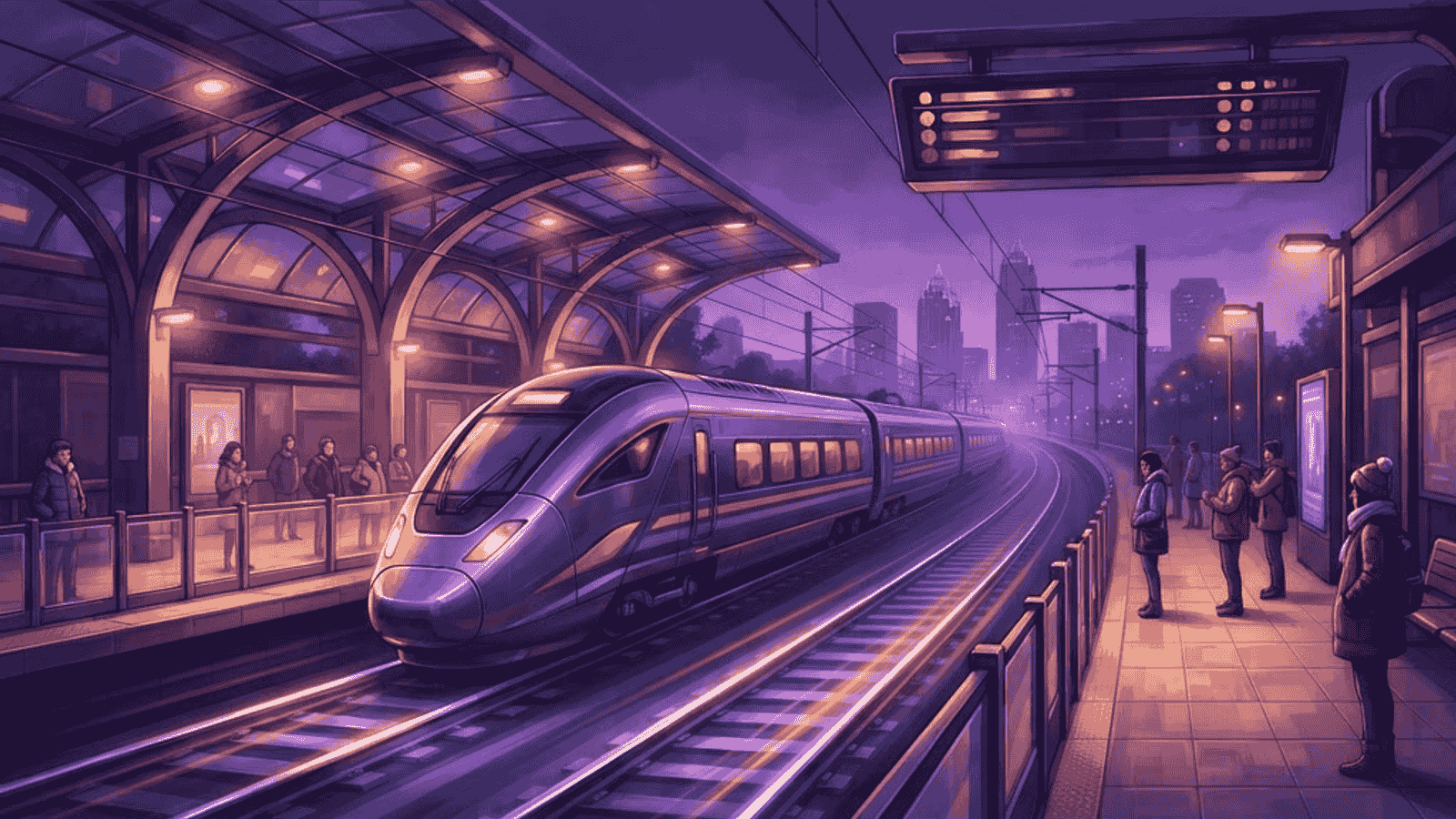
Rail's Renewed Role in Raleigh
The opening of Raleigh Union Station marked a genuine shift in how the city relates to rail travel. The facility replaced a cramped older station with a modern intermodal hub in the Warehouse District, connecting passenger rail to local transit and putting arriving travelers within walking distance of downtown restaurants and hotels. Ridership on state-supported routes has responded accordingly.
Freight rail, meanwhile, has always been essential to North Carolina's economy. Major railroads move agricultural products, chemicals, automobiles, building materials, and intermodal containers through the region, connecting inland shippers to the Ports of Wilmington and Morehead City and to national networks.
Passenger and Freight Rail Explained
Passenger rail in North Carolina operates through a partnership between the national passenger railroad and the state, which sponsors additional in-state frequencies. Freight rail divides between Class I railroads operating national networks and short line railroads serving local industries and connecting them to the larger system. Excursion and tourist railroads operate heritage equipment for recreational travel.
Top 10 Best Railway Operators in Raleigh
1. Amtrak
The national passenger railroad serves Raleigh Union Station with routes connecting the city to Charlotte, Washington, New York, and points beyond. Travelers appreciate generous baggage allowances, comfortable seating with substantial legroom, and downtown-to-downtown convenience that avoids airport processes entirely.
2. Piedmont Service
This state-supported route links Raleigh with Charlotte via Durham, Greensboro, and High Point, with multiple daily round trips. It has become genuinely competitive with driving Interstate 85, offering productive travel time and avoiding parking costs in either city.
3. Carolinian Service
Operating between Charlotte and New York with a stop in Raleigh, this route provides single-seat access to the Northeast Corridor. For travelers heading to Washington, Philadelphia, or New York, it removes connections and delivers city-center arrivals.
4. Silver Star Route
Part of the long-distance network connecting New York with Miami, this route passes through Raleigh and provides overnight travel with sleeping accommodations and dining service. It appeals to travelers prioritizing experience and comfort over speed.
5. CSX Transportation
A Class I freight railroad with significant operations through central North Carolina, moving intermodal containers, chemicals, agricultural products, and automotive freight. It serves Triangle shippers requiring high-volume long-distance capacity at lower cost per ton than trucking.
6. Norfolk Southern
The other major Class I railroad serving the region operates extensive lines through North Carolina with intermodal terminals providing container service. Its network connects the Southeast to Midwest and Northeast markets, and it works with shippers on rail-served facility development.
7. North Carolina Railroad Company
A state-owned corporation owning the rail corridor between Charlotte and Morehead City, this entity leases track to operating railroads and invests in corridor improvements. Its work on capacity, grade crossings, and safety underpins both passenger reliability and freight fluidity.
8. Carolina Coastal Railway
A short line railroad operating branch lines in eastern North Carolina, connecting local industries and agricultural shippers to Class I networks. Short lines like this provide first and last mile rail service that large railroads no longer serve directly.
9. Aberdeen Carolina and Western Railway
Another regional short line serving central North Carolina, providing switching services, rail car storage, and transload facilities where freight transfers between rail and truck. Transload capability lets shippers without rail sidings still access rail economics.
10. New Hope Valley Railway
A volunteer-operated heritage railroad south of Raleigh offering excursion train rides on historic equipment, including seasonal themed trips popular with families. It preserves regional railroad history and provides an accessible introduction to rail for children.
Planning Passenger Rail Travel
Book in advance for the lowest fares, particularly around holidays when state-supported routes sell out. Union Station is walkable to downtown accommodations and connects to local transit, so many trips require no rental car. Arrive twenty to thirty minutes before departure, which is considerably less than air travel requires. Bring a power adapter, as outlets are available at most seats.
Freight Rail for Shippers
Rail becomes economically attractive at volume and distance, typically for shipments exceeding several hundred miles moving in carload or container quantities. Shippers without direct rail access can use transload facilities where freight transfers to and from trucks. Transit times are longer and less precise than trucking, so rail suits inventory that tolerates schedule variability.
Investment and Future Outlook
North Carolina has committed to corridor improvements aimed at increasing passenger frequencies and reducing travel times between Raleigh and Charlotte, along with planning work toward improved service to Virginia and the Northeast. Grade crossing eliminations and track capacity projects benefit freight reliability simultaneously, which is unusual among transportation investments.
Final Thoughts
Rail in Raleigh serves three distinct purposes: comfortable city-center passenger travel on state-supported and long-distance routes, cost-effective freight movement through Class I and short line networks, and heritage excursions that connect families to railroad history. For travelers heading to Charlotte or the Northeast, the train deserves serious consideration. For shippers moving volume over distance, rail economics remain compelling.