
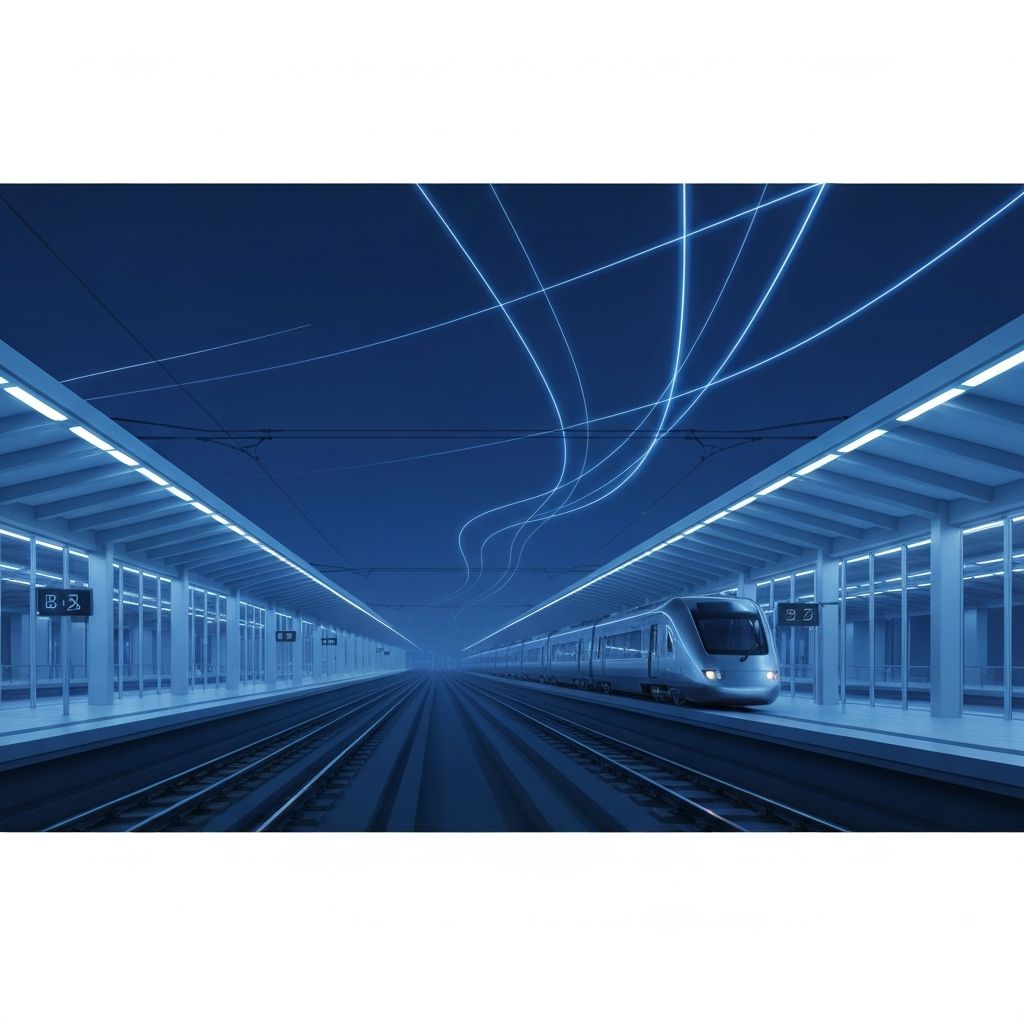
The Renaissance of Philippine Railways
For decades, the Philippines lagged behind its Southeast Asian neighbors in railway development. However, the country is now experiencing a major railway renaissance. With multi-billion-peso investments in urban transit, long-distance commuter rail, and freight rail, the sector is becoming a critical pillar of the country's transport future. Existing operators are modernizing fleets, while new lines are being built to address chronic urban congestion and connect underserved regions.
Why Railways Matter for the Philippines
Rail transport is one of the most efficient ways to move large numbers of people and goods. In Metro Manila, where road traffic is among the worst in the world, mass transit lines provide a vital alternative for daily commuters. For freight, rail offers lower emissions and reduced road wear compared to long-haul trucking. As the country invests in modern rail infrastructure, top operators play a key role in delivering reliable, safe, and customer-focused service.
Top 10 Railway Operators in the Philippines
1. Light Rail Transit Authority (LRTA) operates LRT Line 2, connecting Recto to Antipolo. The agency has steadily modernized stations and rolling stock to handle growing daily ridership.
2. Light Rail Manila Corporation (LRMC) manages LRT Line 1, the country's first light rail line. As a public-private partnership concessionaire, LRMC has improved fleet capacity, station accessibility, and customer service standards.
3. Metro Rail Transit Corporation (MRTC), in partnership with the Department of Transportation, operates MRT Line 3 along EDSA. Continuous rehabilitation programs aim to restore reliable service along this critical corridor.
4. Philippine National Railways (PNR) is the country's national rail operator, running commuter services in Metro Manila and parts of Southern Luzon. PNR is also at the center of major rail expansion projects.
5. North-South Commuter Railway (NSCR) Project Operator, once fully operational, will be one of the largest rail networks in the country, connecting Clark in Pampanga to Calamba in Laguna with modern high-capacity trains.
6. Metro Manila Subway Project Operator, currently under construction, will introduce the country's first underground rail system, transforming urban mobility in the capital region.
7. Mindanao Railway Project Operator aims to bring modern rail to Mindanao, starting with the Tagum-Davao-Digos line and connecting major cities in the southern Philippines.
8. Cebu Monorail Project Operator is set to introduce mass transit to one of the country's busiest urban centers, supporting Cebu's growing population and tourism.
9. Subic-Clark Railway Project Operator, part of broader regional development plans, will support freight and passenger movement in the strategic Subic-Clark economic corridor.
10. PNR Bicol Project Operator, focused on the long-distance line between Metro Manila and the Bicol Region, will revive long-haul passenger and freight rail in Southern Luzon.
Modernization and Technology
Top railway operators are investing in modern signaling, automated fare collection, and CCTV-equipped stations. Rolling stock is being upgraded with energy-efficient trains, better air conditioning, and real-time passenger information systems. Many operators are also integrating their ticketing with unified contactless cards, allowing seamless transfers between LRT, MRT, and bus rapid transit systems.
Challenges Facing Philippine Rail
Aging infrastructure, right-of-way issues, and project delays remain ongoing challenges. Funding, particularly through public-private partnerships and official development assistance, is critical for sustaining the current pipeline of projects. Operators also work hard to balance affordability for commuters with the financial sustainability of operations.
Passenger Experience and Safety
Railway operators are placing greater emphasis on passenger experience. Improvements include better accessibility for persons with disabilities, women-only sections during peak hours, cleaner stations, and clearer wayfinding. Safety measures such as platform screen doors, fire suppression systems, and stricter operational protocols are increasingly common in newer lines.
How Rail Transforms Cities
Beyond moving people, modern rail systems shape urban development. Stations become hubs of commercial activity, while transit-oriented development concentrates housing and offices near rail lines, reducing car dependency. Property values often rise around well-connected stations, and economic activity spreads more evenly across regions served by reliable rail.
Final Thoughts
The Philippine railway sector is on the brink of a major transformation. The operators featured above, alongside new lines under construction, will reshape how Filipinos travel and how goods move across the country. For commuters, businesses, and travelers alike, this rail renaissance promises faster, cleaner, and more reliable journeys, ushering in a new era of Philippine transportation.