
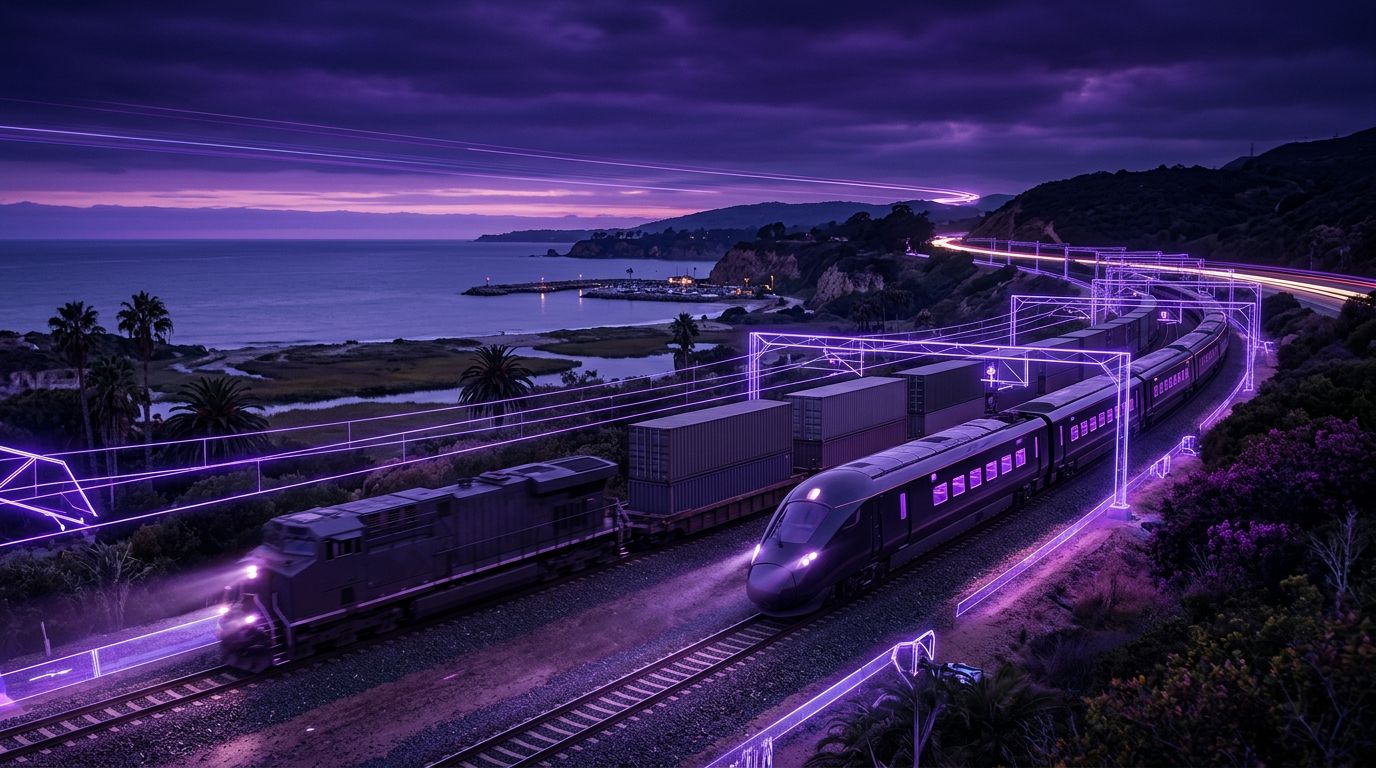
Rail Transportation in North Charleston
Railroads have shaped North Charleston's development for more than a century. Today, rail remains a critical part of the city's economy and transportation network. Freight trains carry containers from the Port of Charleston to inland destinations, haul raw materials and finished goods for manufacturers, and connect the Lowcountry to markets across North America. Passenger rail service links North Charleston with cities along the East Coast, offering a scenic and relaxing alternative to driving or flying.
Here are ten of the most important railway operators and rail service providers serving North Charleston.
The Importance of Rail
Rail transportation is one of the most efficient ways to move large volumes of freight over long distances. A single train can carry the equivalent of hundreds of truckloads, reducing highway congestion and emissions. For passengers, trains offer comfortable seating, room to move around, and the opportunity to enjoy the passing scenery. In a growing region like the Charleston metro area, rail infrastructure supports both economic development and sustainable mobility.
Top 10 Railway Operators and Rail Services in North Charleston
1. Amtrak
Amtrak provides passenger rail service at the North Charleston station, connecting the Lowcountry with cities such as New York, Washington, Richmond, Savannah, and Miami. Routes such as the Silver Meteor and the Palmetto offer convenient options for travelers heading north or south along the East Coast.
2. CSX Transportation
CSX is one of the largest Class I railroads in the eastern United States and a key freight carrier serving the Port of Charleston. Its network connects the Lowcountry to major markets throughout the Southeast, Midwest, and Northeast, moving intermodal containers, automotive products, chemicals, and more.
3. Norfolk Southern
Norfolk Southern is another major Class I railroad serving Charleston. It provides intermodal and carload services that link the port with inland distribution centers and manufacturing hubs, supporting the region's role as a gateway for international trade.
4. Palmetto Railways
Palmetto Railways is a state-owned railroad operating in South Carolina. It plays a crucial role in North Charleston by operating the Navy Base Intermodal Facility, which provides direct rail access to port terminals and enhances the efficiency of container movements.
5. Navy Base Intermodal Facility Operations
The Navy Base Intermodal Facility in North Charleston is a major infrastructure project designed to transfer containers between ships, trucks, and trains. Served by both CSX and Norfolk Southern, it reduces truck traffic on local roads and strengthens the port's competitive position.
6. SC Ports Inland Port Rail Services
The South Carolina Ports Authority operates inland ports in Greer and Dillon, connected to Charleston by rail. These facilities allow cargo to move by train between the coast and inland markets, extending the port's reach across the Southeast.
7. Railserve Industrial Switching
Industrial switching companies like Railserve provide in-plant rail services for manufacturers and industrial facilities. They manage railcar movements within plants, improving efficiency and safety for shippers who rely on rail.
8. Short Line and Regional Railroads
Short line railroads in South Carolina connect smaller communities and industrial sites to the Class I network. These railroads provide essential first-mile and last-mile service for agricultural, forestry, and manufacturing customers.
9. Rail Maintenance and Engineering Contractors
Specialized contractors maintain tracks, bridges, and signals, ensuring the safety and reliability of rail operations. Their work supports both freight and passenger service throughout the region.
10. Intermodal Marketing Companies
Intermodal marketing companies coordinate door-to-door shipments that combine rail and truck transportation. They help shippers take advantage of rail's cost and environmental benefits while maintaining flexible delivery options.
Rail Infrastructure Investments
The Charleston region has made significant investments in rail infrastructure to support growing port volumes. The Navy Base Intermodal Facility represents a major step forward, providing dual Class I rail access and improving the efficiency of container transfers. Additional improvements to rail lines, grade crossings, and terminal connections continue to enhance capacity and safety.
Passenger rail has also received attention, with ongoing discussions about expanding service and improving stations. Federal investment in rail infrastructure has created new opportunities for upgrades along the East Coast corridor, which could benefit North Charleston travelers in the future.
Rail Industry Trends
The rail industry is embracing technology to improve efficiency and safety. Positive train control systems help prevent accidents, while data analytics and predictive maintenance reduce downtime. Railroads are also exploring alternative fuels and battery-electric locomotives to reduce emissions. Intermodal transportation continues to grow as shippers seek cost-effective and sustainable alternatives to long-haul trucking.
Traveling by Train From North Charleston
Passengers can book Amtrak tickets online or through its mobile app. Booking early often secures lower fares, and travelers can choose between coach seating and sleeper accommodations on longer routes. Trains offer generous baggage allowances, onboard dining options, and the freedom to move around during the journey. Arriving early at the station and checking for schedule updates helps ensure a smooth trip.
Final Thoughts
Rail transportation is a vital part of North Charleston's economy and identity. Freight railroads keep goods flowing between the port and inland markets, while passenger service connects the Lowcountry with destinations along the East Coast. With continued investments in infrastructure and technology, the region's rail network is poised to play an even greater role in supporting growth and sustainable transportation for decades to come.