
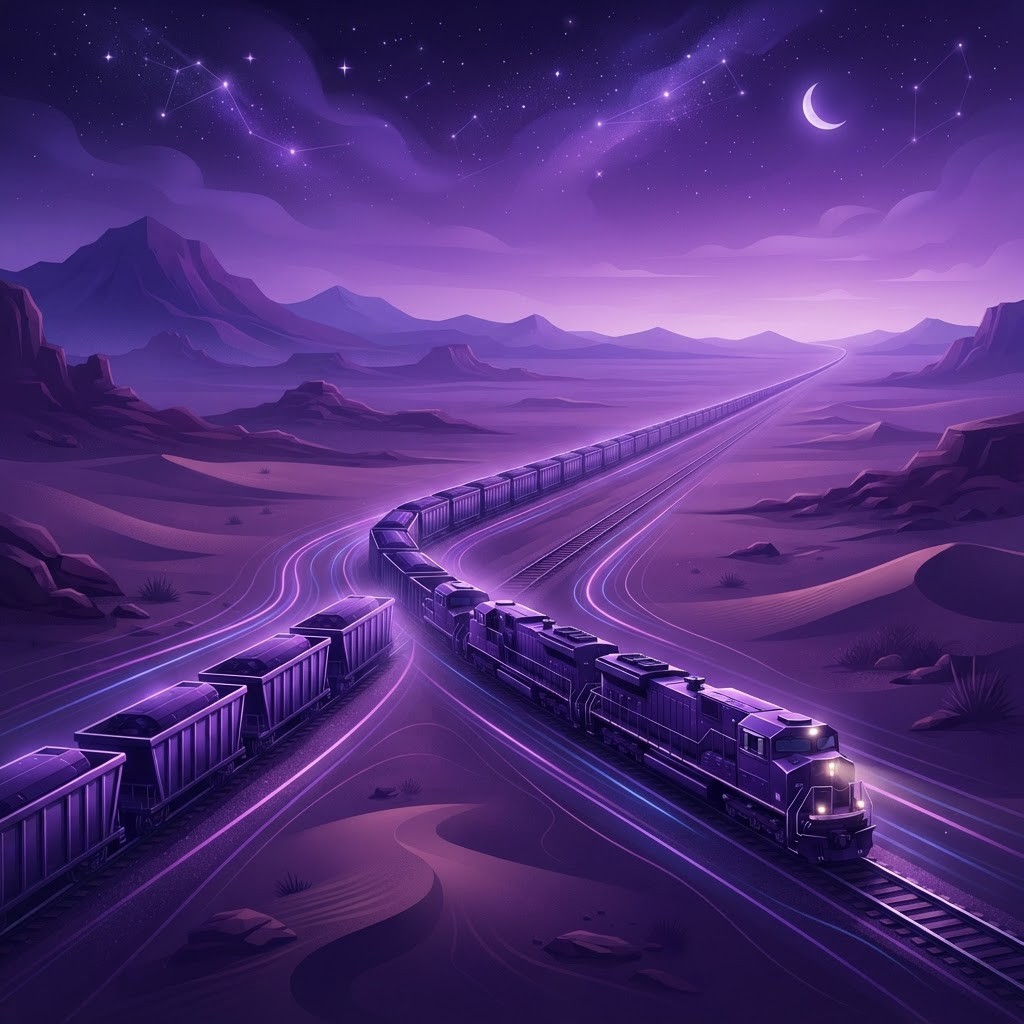
Mauritania's Iconic Railway Heritage
Mauritania is home to one of the most extraordinary railway systems in the world, anchored by the legendary iron ore line that stretches from the mining town of Zouérat to the coastal port of Nouadhibou. This railway is famous for operating some of the longest and heaviest trains on the planet, hauling millions of tons of iron ore across the Sahara Desert each year. Beyond its industrial significance, the line also carries passengers and has become a symbol of the country's engineering ambition and economic backbone.
The railway sector in Mauritania is specialized and closely tied to the mining industry, but it encompasses a range of operational functions, from freight hauling and maintenance to logistics coordination and passenger services. This article highlights ten key operators and service providers contributing to the railway ecosystem in Mauritania.
The Importance of Rail Transport
Rail transport offers unmatched efficiency for moving bulk commodities over long distances, making it essential for Mauritania's iron ore exports. The railway reduces the strain on road infrastructure, lowers transport costs per ton, and provides a reliable link between remote mining regions and coastal export facilities. For a country where mining is a cornerstone of the economy, the railway's role cannot be overstated.
The Leading Railway Operators and Service Providers
National Mining and Rail Company operates the iconic iron ore railway, managing the movement of vast quantities of ore from the interior to the coast. As the primary operator, it is central to Mauritania's export economy and renowned for running trains of remarkable length.
Sahara Rail Logistics supports the railway with logistics coordination, ensuring the smooth flow of freight along the corridor. Its expertise in scheduling and cargo management enhances the efficiency of rail operations.
Zouérat Rail Services focuses on operations at the mining end of the line, coordinating the loading and dispatch of iron ore. The company plays a crucial role in keeping the supply chain moving from the source.
Nouadhibou Rail Terminal Operations manages the coastal endpoint, handling the unloading and transfer of ore to port facilities for export. Its efficient terminal management is vital to the overall system.
Desert Rail Maintenance Company specializes in track and equipment maintenance, ensuring the railway remains operational despite harsh desert conditions. Its work is essential to the safety and reliability of the line.
Atlantic Rail Freight provides freight coordination services, working alongside the main operator to optimize cargo flow. The company contributes to the seamless movement of goods along the corridor.
Sahel Rail Engineering offers technical and engineering support, assisting with infrastructure projects and equipment upgrades. Its expertise helps modernize and sustain the railway system.
Mauritania Rail Passenger Services coordinates the limited passenger travel available on the line, offering a unique journey across the desert for those seeking an unforgettable experience. The service connects communities along the route.
Iron Corridor Logistics manages supply chain elements related to rail transport, integrating rail with other modes to deliver comprehensive solutions. Its coordination capabilities add value to the mining supply chain.
Trans-Desert Rail Solutions rounds out the list with support services spanning operations, safety, and logistics. The company's contributions help maintain the efficiency and dependability of Mauritania's railway network.
Trends and Developments in Rail
The railway sector in Mauritania continues to evolve alongside the mining industry, with ongoing investments in rolling stock, track maintenance, and operational efficiency. As global demand for iron ore fluctuates, the railway adapts to maintain steady export flows. There is growing interest in modernizing equipment and improving safety standards to enhance long-term sustainability.
Discussions around expanding rail capacity and exploring additional uses for the infrastructure reflect the sector's strategic importance. The unique passenger experience on the iron ore line has also attracted attention from adventure travelers, adding a tourism dimension to the railway's profile.
The Passenger Experience
For travelers, riding the iron ore railway is a bucket-list adventure. The journey across the Sahara offers dramatic scenery and a rare glimpse into one of the world's most impressive industrial operations. While the passenger service is basic, it provides an authentic and memorable way to traverse the desert, connecting remote communities and offering a window into Mauritania's rail heritage.
Conclusion
Mauritania's railway sector is a marvel of engineering and a pillar of the national economy, moving iron ore across the desert with remarkable efficiency. The operators and service providers highlighted here keep this vital system running, supporting exports, communities, and even tourism. As the sector modernizes, the railway will continue to play an indispensable role in Mauritania's development.