
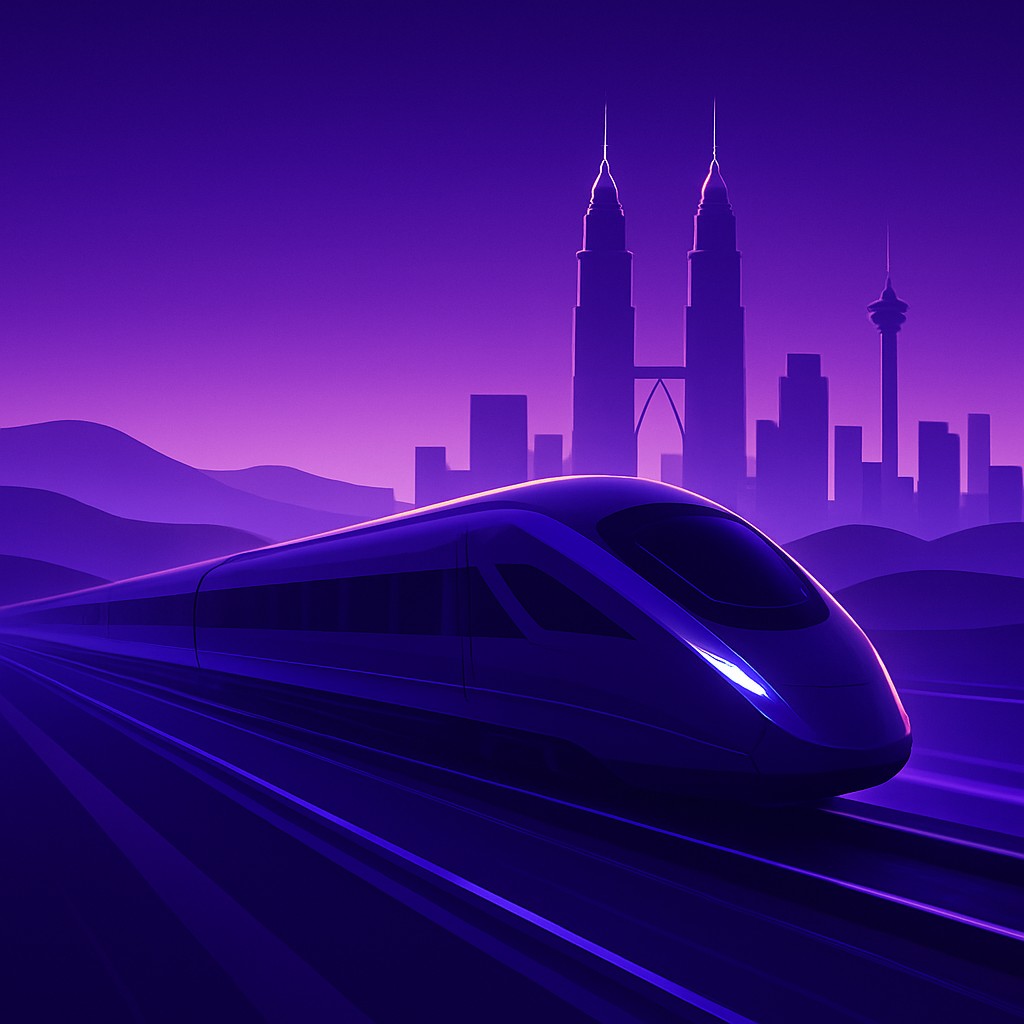
Rail Travel in Malaysia: Efficient and Scenic
Railways play a vital role in Malaysia's transport network, offering an efficient, comfortable, and environmentally friendly way to travel. From modern electric trains linking major cities to scenic routes winding through highlands and jungles, rail travel combines practicality with memorable journeys. The country's rail system serves both urban commuters and long-distance travellers, supported by ongoing investment in modernisation.
Malaysia's railway operators manage everything from intercity express services to urban transit and freight transport, forming an integral part of the nation's mobility ecosystem.
The Benefits of Rail Travel
Trains offer several advantages, including reliability, comfort, and freedom from traffic congestion. Modern services feature air-conditioned coaches, comfortable seating, and onboard amenities. Rail is also a sustainable choice, producing lower emissions than road or air travel. For tourists, scenic routes provide a relaxing way to enjoy Malaysia's landscapes.
The Top 10 Railway Operators and Services
Keretapi Tanah Melayu Berhad (KTMB) is the national railway operator, managing intercity, commuter, and freight services across Peninsular Malaysia.
KTM ETS (Electric Train Service) offers fast, comfortable intercity travel along the west coast, connecting major destinations with modern electric trains.
KTM Komuter serves urban commuters in the Klang Valley and other regions with frequent, affordable suburban rail services.
Rapid Rail operates the LRT, MRT, and monorail systems in Kuala Lumpur, providing efficient urban transit for millions of city dwellers.
Express Rail Link (ERL) runs the KLIA Ekspres and KLIA Transit, delivering swift connections between the city centre and the international airport.
KTM Intercity provides long-distance services, including routes to the northern and southern regions, valued for affordability and reach.
MRT Corp oversees the development and expansion of the Mass Rapid Transit network, enhancing urban connectivity across the Klang Valley.
Prasarana Malaysia manages key public transport assets, including rail services that integrate with buses for seamless urban mobility.
Sabah State Railway operates the historic line in East Malaysia, offering a charming journey through Sabah's scenic countryside.
KTM Cargo rounds out the list, handling rail freight services that support the efficient movement of goods across the peninsula.
Modernisation and Investment
Malaysia continues to invest heavily in rail infrastructure, expanding electric train services, upgrading stations, and developing new transit lines. These improvements enhance speed, capacity, and passenger comfort. Integration between rail, bus, and other modes of transport is creating a more connected and convenient network.
Tips for Rail Travellers
Booking tickets in advance, especially for popular intercity routes and during holidays, ensures availability and better seating choices. Online platforms make reservations easy, while contactless payment cards simplify urban transit. Arriving early and checking schedules helps travellers make smooth connections.
The Future of Malaysian Railways
The railway sector is poised for continued growth, with expanding transit networks, improved cross-border links, and a focus on sustainability. Modern signalling, energy-efficient trains, and enhanced passenger experiences are shaping the future. Rail is set to play an even greater role in Malaysia's transport landscape.
Conclusion
Malaysia's railway operators provide efficient, comfortable, and sustainable travel options for commuters and tourists alike. From high-speed electric trains to scenic heritage routes and modern urban transit, the services above keep the nation connected. As investment continues, rail travel will remain a cornerstone of Malaysia's mobility for years to come.