
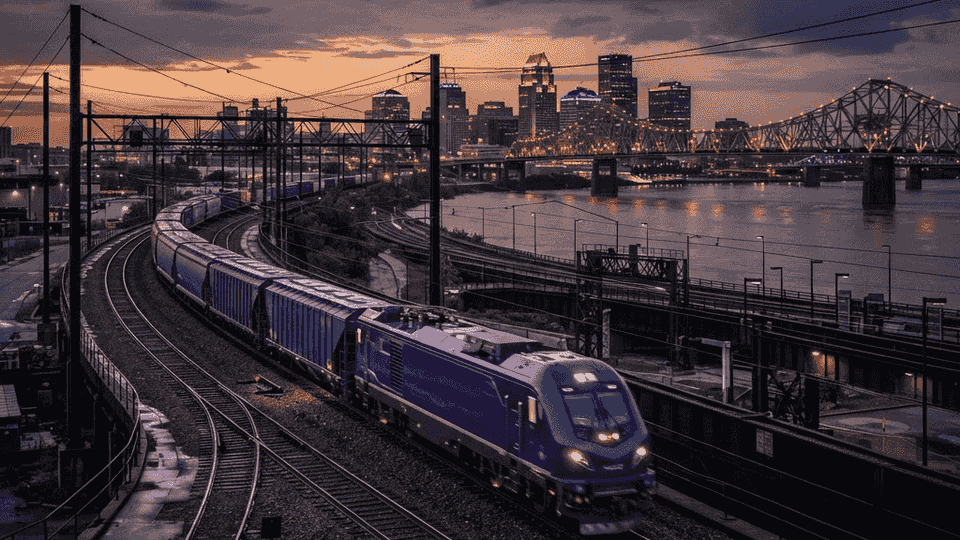
The Enduring Importance of Rail in Louisville
Railways have shaped Louisville's growth for well over a century, and they remain a crucial part of the city's transportation infrastructure today. As a key junction in the regional rail network, Louisville relies on railway operators to move large volumes of freight efficiently across long distances. For industries that depend on bulk transport, rail offers unmatched capacity and cost-effectiveness.
While much of daily life revolves around road transport, rail quietly carries enormous quantities of raw materials, industrial goods, and consumer products. The best railway operators keep this system running reliably, connecting Louisville's businesses to markets throughout the country.
Qualities of Top Railway Operators
Leading railway operators in Louisville are distinguished by reliability, safety, and capacity. Reliability is essential, as businesses schedule production and distribution around predictable rail movements. Operators that consistently meet timelines help their clients maintain smooth, dependable supply chains.
Safety is another defining priority. Moving heavy freight over long distances demands rigorous safety standards, well-maintained equipment, and skilled personnel. The best operators invest heavily in these areas. Capacity also matters, as rail's greatest advantage is its ability to move large volumes efficiently, making it ideal for industries with substantial shipping needs.
Services Provided by Railway Operators
Railway operators in Louisville support a range of freight services tailored to different industries. Bulk transport is a core offering, ideal for commodities and industrial materials that benefit from rail's high capacity. Intermodal services are also common, combining rail with trucking to provide seamless door-to-door delivery.
Many operators coordinate closely with logistics providers and freight companies, creating integrated solutions that balance cost, speed, and reliability. This collaboration allows businesses to leverage the strengths of rail while maintaining the flexibility of other transportation modes, resulting in efficient and resilient supply chains.
Trends in the Railway Sector
The railway industry in Louisville is embracing modernization. Technology plays a growing role, with advanced tracking, scheduling systems, and data analytics improving efficiency and transparency. These tools help operators optimize routes, reduce delays, and provide clients with better visibility into their shipments.
Sustainability is a significant advantage for rail, which is generally more fuel-efficient than road transport for large volumes. As businesses seek greener options, rail's environmental benefits are drawing renewed attention. Continued investment in infrastructure and equipment ensures that railway operators can meet evolving demands while maintaining reliability.
Choosing a Railway Operator
Selecting a railway operator involves assessing reliability, safety, and service capabilities. Businesses should look for operators with strong reputations for on-time performance and robust safety records. Understanding an operator's network, capacity, and intermodal options helps ensure a good fit for specific shipping requirements.
Collaboration and communication are also important. The best operators work closely with clients and logistics partners to coordinate seamless movements. For businesses with significant freight volumes, a dependable rail partner can deliver substantial cost savings and operational efficiency.
Conclusion
Railway operators remain a cornerstone of freight transportation in Louisville, offering unmatched capacity and efficiency for large-scale shipping. The city's leading operators excel through reliability, safety, and strong collaboration with logistics partners. For businesses moving substantial volumes of goods, choosing a trusted railway operator provides a powerful and sustainable transportation solution.