
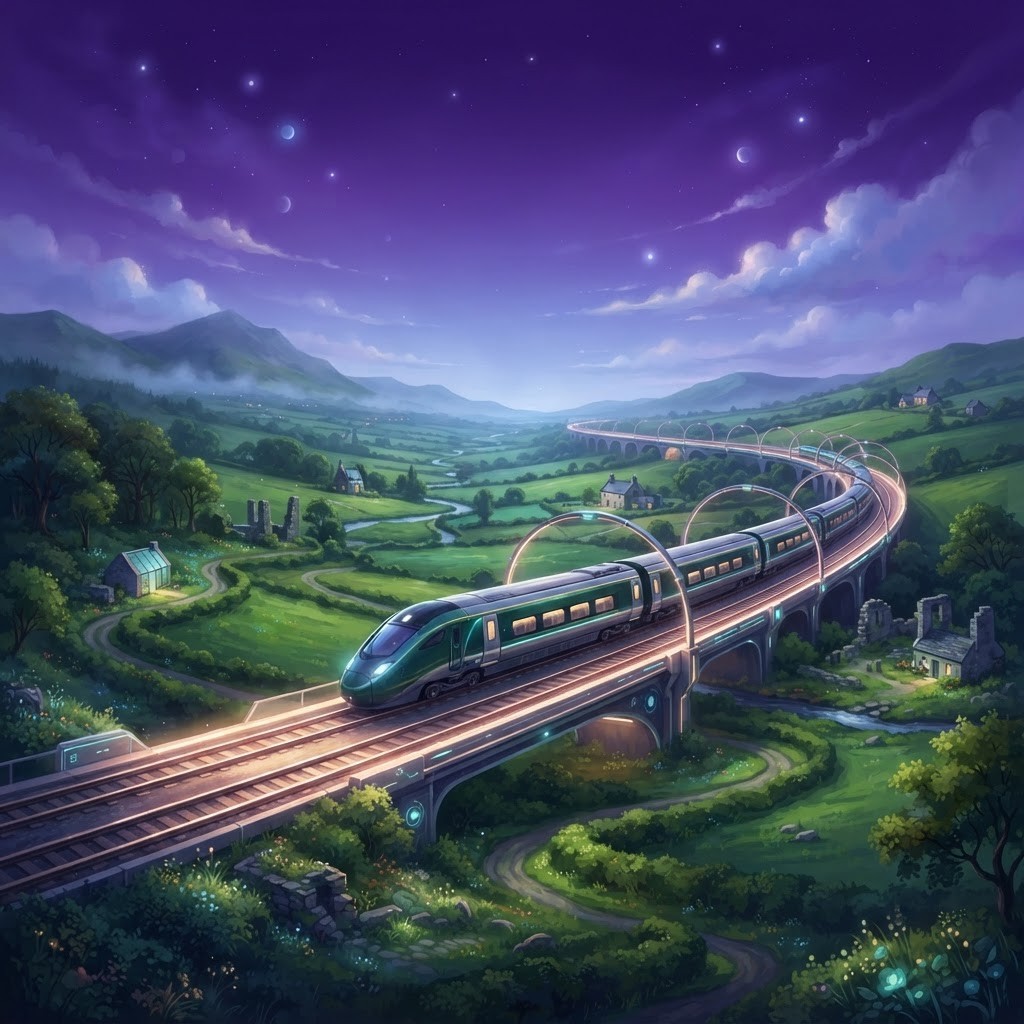
Rail Travel in Ireland Today
Rail travel holds a special place in Ireland's transport landscape, offering a comfortable, scenic, and environmentally friendly way to journey across the island. From bustling commuter services around Dublin to leisurely intercity routes that reveal sweeping views of the countryside and coast, trains provide an experience that is both practical and enjoyable. As sustainability becomes a growing priority, rail is increasingly seen as a smart alternative to car and air travel for domestic journeys.
Ireland's railway network connects major cities, regional towns, and cross-border destinations, supported by ongoing investment in infrastructure and rolling stock. The operators behind these services play a vital role in keeping the country connected and moving toward a greener future.
What Makes a Railway Operator Stand Out
Leading railway operators are defined by reliability, comfort, and connectivity. Punctual services and frequent departures build confidence among commuters and travellers. Modern, comfortable carriages with amenities such as WiFi, catering, and accessible facilities enhance the journey. Integrated ticketing, clear information, and responsive customer service further improve the passenger experience. For a country with such striking scenery, the quality of the views along the way is a welcome bonus.
The Top 10 Railway Operators and Services
Iarnród Éireann (Irish Rail) is the national railway operator, running the vast majority of intercity, commuter, and regional services across the Republic of Ireland.
DART (Dublin Area Rapid Transit) is the electrified commuter service serving the Dublin coastline, prized for its frequency and scenic coastal views.
Dublin Commuter Services connect the capital with surrounding towns, forming a crucial part of the daily commute for thousands.
Enterprise is the cross-border service jointly operated to link Dublin and Belfast, offering a fast and comfortable international connection.
Intercity Dublin to Cork is one of the busiest and most important routes, connecting Ireland's two largest cities with frequent, comfortable trains.
Dublin to Galway provides a scenic westward journey linking the capital to the vibrant city of Galway.
Dublin to Limerick serves the midwest with reliable intercity connections.
Dublin to Waterford links the capital with the southeast, passing through historic towns along the way.
Cork Commuter Rail offers valuable local services around Ireland's second city, easing urban congestion.
Belfast Suburban Rail rounds out the list, providing important commuter connections in the north of the island.
The Sustainability Advantage
One of rail travel's greatest strengths is its environmental credentials. Trains produce significantly lower emissions per passenger than cars or planes, making them a cornerstone of sustainable transport strategies. Ireland is investing in electrification, expanded services, and modern rolling stock to make rail even greener and more attractive. Encouraging a shift from road to rail helps reduce congestion and pollution, supporting national climate goals while offering passengers a relaxing way to travel.
Investment and Modernisation
Significant investment is transforming Ireland's railways. Projects to expand capacity, electrify additional lines, and upgrade stations are enhancing both the reach and quality of services. New and refurbished trains are improving comfort and reliability, while digital ticketing and real-time information make travel more convenient. These improvements are part of a broader vision to position rail as a central pillar of the country's transport future, capable of meeting growing demand.
Tips for Rail Travellers
To enjoy the best rail experience in Ireland, consider booking intercity tickets in advance to secure lower fares and guaranteed seats on busy routes. Travelling outside peak hours often means quieter carriages and greater comfort. For scenic journeys such as the coastal DART or westward intercity routes, choosing a window seat maximises the views. Familiarising yourself with station facilities and connection times ensures a smooth and stress-free trip.
Scenic Rail Journeys
Few experiences capture the beauty of Ireland quite like a scenic rail journey. The DART, hugging the coastline of Dublin Bay, treats passengers to sweeping views of the sea, harbours, and distant mountains. Routes heading west and south wind through patchwork fields, rolling hills, and charming towns, offering an ever-changing panorama from the comfort of a warm carriage. For visitors and residents alike, these journeys transform ordinary travel into a genuine pleasure, allowing time to relax, read, or simply watch the landscape unfold. This scenic dimension is one of rail's most underrated advantages over other forms of transport.
Accessibility and Inclusion
Modern railway operators place growing emphasis on accessibility, ensuring that rail travel is available to everyone. Station upgrades increasingly include step-free access, tactile paving, and clear audio and visual information for passengers with visual or hearing impairments. Assistance services help those with reduced mobility board and alight safely, while accessible toilets and designated seating improve comfort. These efforts reflect a broader commitment to inclusive public transport, recognising that mobility is a right for all. As investment continues, Ireland's railways are becoming more welcoming and usable for elderly passengers, families, and people with disabilities alike.
Conclusion
Ireland's railway operators offer a compelling blend of comfort, sustainability, and connectivity that few other modes of transport can match. From the electrified coastal DART to cross-border intercity links, the services featured here keep the island connected while pointing the way toward a greener future. Whether commuting or exploring, rail travel remains one of the most rewarding ways to experience Ireland.