
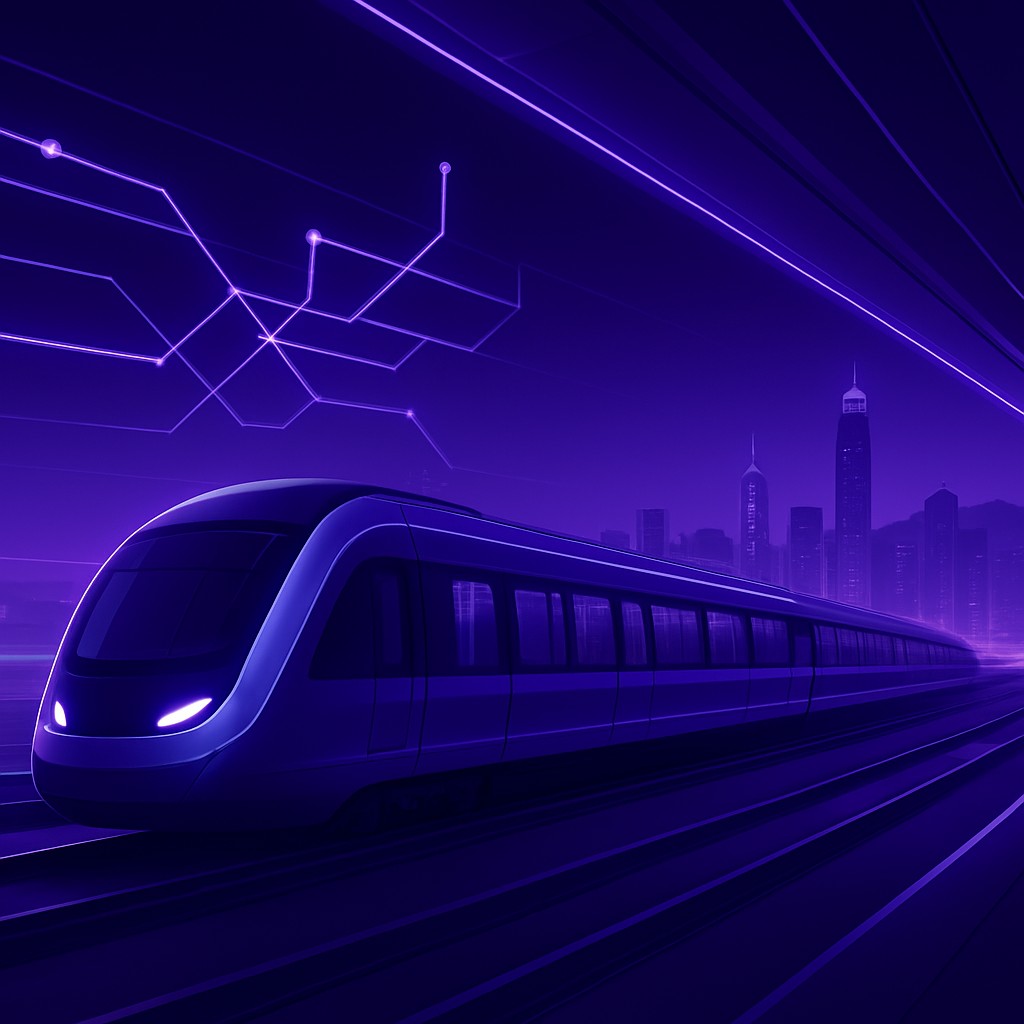
The Backbone of Hong Kong's Mobility
Few cities in the world rely on rail transport as heavily as Hong Kong. With a dense population and limited road space, the railway network serves as the backbone of daily mobility, carrying millions of passengers across the territory with remarkable punctuality. The system is renowned for its cleanliness, safety, and integration with other modes of transport, setting a global benchmark for urban rail excellence.
Railways in Hong Kong are more than just a means of getting from one place to another. They shape the way the city grows, with new developments often clustered around stations. This rail-oriented planning has helped Hong Kong manage congestion and maintain its reputation as one of the most accessible cities in Asia.
What Defines a Top Railway Operator
Excellence in railway operations is measured by reliability, safety, frequency of service, station accessibility, and the passenger experience. Modern operators also invest in digital ticketing, real-time information, and seamless interchange between lines. Maintenance standards and the ability to handle large crowds during peak hours are equally important indicators of quality.
Leading Railway Services and Lines in Hong Kong
MTR Corporation is the principal operator of Hong Kong's railway network, managing an extensive system that spans urban and suburban areas. Internationally respected for its punctuality rate and operational efficiency, MTR is a model studied by transit authorities worldwide.
The Tsuen Wan Line connects key commercial and residential districts, serving as one of the busiest arteries in the network with frequent service and convenient interchanges.
The Island Line runs along the northern shore of Hong Kong Island, linking major business districts, shopping areas, and cultural landmarks with smooth, high-frequency service.
The Tung Chung Line provides a vital link to the western New Territories and Lantau Island, offering fast and comfortable journeys for commuters and travelers alike.
The Airport Express is a premium service connecting the city center to Hong Kong International Airport in just minutes, featuring spacious carriages, in-town check-in, and a reputation for reliability that appeals to business and leisure travelers.
The East Rail Line stretches from the urban core toward the boundary with mainland China, playing a crucial role in cross-boundary travel and regional connectivity.
The Tuen Ma Line, one of the longest in the network, links the eastern and western New Territories, dramatically improving accessibility for previously underserved communities.
The South Island Line serves the southern districts of Hong Kong Island, opening up areas that were once difficult to reach and supporting new residential and business growth.
The Kwun Tong Line connects densely populated districts in Kowloon, providing essential service for daily commuters with high frequency and excellent station facilities.
The Light Rail system in the northwestern New Territories offers convenient local transport, complementing the heavy rail network and serving communities with efficient, accessible service.
Technology and Innovation in Rail
Hong Kong's railway operations are powered by cutting-edge technology. Automatic train control systems ensure safety and precision, while sophisticated signaling allows for high-frequency service even during peak periods. Contactless payment systems and mobile applications provide passengers with real-time updates, journey planning, and seamless fare payment.
Sustainability is a growing focus, with energy-efficient trains, regenerative braking systems, and green station designs reducing the environmental footprint of rail travel. These innovations not only improve the passenger experience but also support the city's broader environmental goals.
The Passenger Experience
Riders in Hong Kong enjoy a consistently high standard of service. Stations are clean, well-signed, and equipped with accessibility features for passengers with disabilities. Clear announcements, comprehensive maps, and helpful staff make navigation easy, even for first-time visitors. The integration of rail with buses, ferries, and other transport modes ensures smooth, end-to-end journeys.
Looking Ahead
As Hong Kong continues to grow, its railway network is expanding to meet rising demand. New lines and extensions are planned to serve developing areas and strengthen connections within the Greater Bay Area. Investments in automation, capacity upgrades, and passenger amenities will keep the system at the forefront of global rail standards.
Conclusion
Hong Kong's railway operators set the gold standard for urban transit, combining reliability, efficiency, and innovation. Whether commuting to work, traveling to the airport, or exploring the city, passengers can count on a rail system that is fast, safe, and remarkably well run. As the network expands and modernizes, it will remain an indispensable part of life in this dynamic metropolis.