
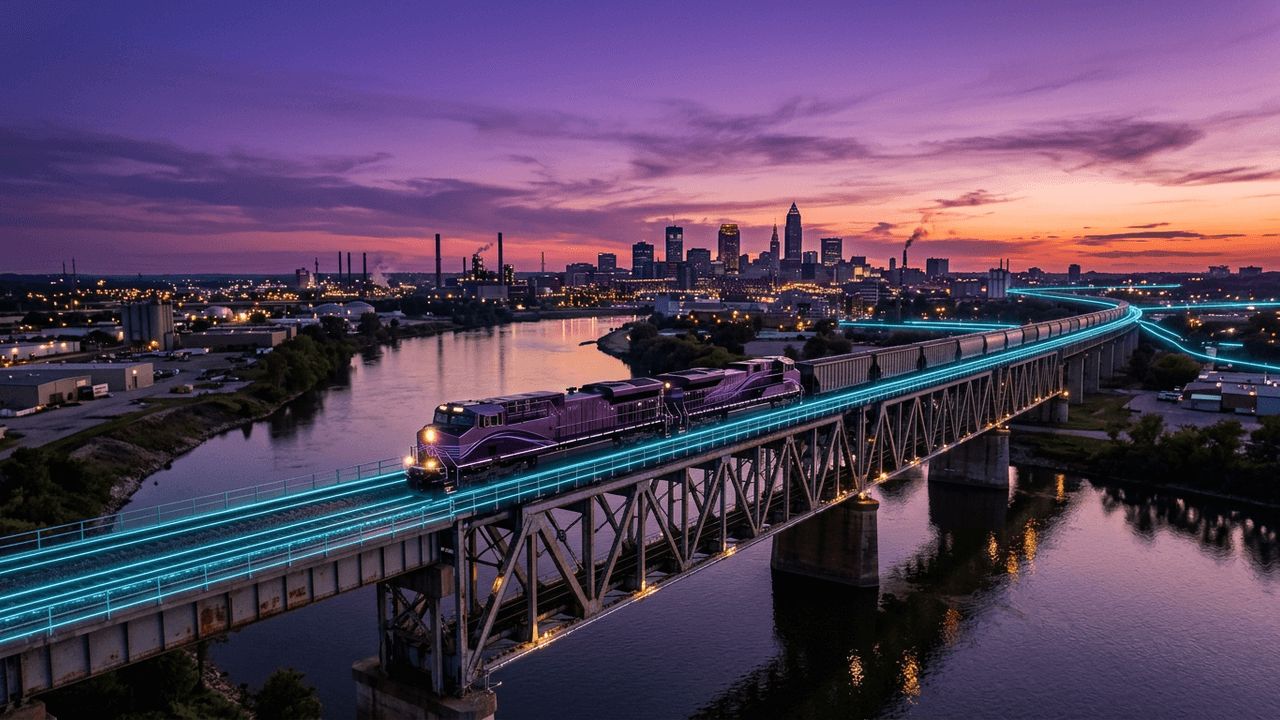
Railroads helped build Green Bay into an industrial center, carrying lumber, paper, and goods from the Fox River Valley to markets across the country. Today, freight rail remains essential to the region's paper mills, manufacturers, and port operations.
While Green Bay lacks scheduled passenger trains, its rail freight network and rich railroad heritage make it an important rail city. This guide highlights ten railway operators and rail-related resources connected to Green Bay.
Why Rail Matters to Green Bay
Rail is the most efficient way to move heavy, bulky materials over long distances. Paper mills rely on rail for pulp, chemicals, and finished products, while manufacturers and agricultural shippers benefit from lower costs and reduced highway congestion. Rail also connects the Port of Green Bay with inland markets.
The Top 10 Railway Operators and Rail Resources
1. Canadian National Railway
Canadian National became a major presence in Wisconsin after acquiring Wisconsin Central. It remains a key Class I railroad serving the region, connecting to its continental network.
2. Fox Valley and Lake Superior Rail System
Operated by Watco, the Fox Valley and Lake Superior Rail System took over several former Canadian National lines in Wisconsin. It serves paper mills and industrial customers throughout the Fox Valley and Green Bay area.
3. Escanaba and Lake Superior Railroad
This regional railroad connects Wisconsin and Michigan's Upper Peninsula, serving forest product and industrial shippers. It is known for flexible, customer-focused service.
4. Union Pacific Railroad
Union Pacific's vast network across the western two-thirds of the United States provides Wisconsin shippers with interline connections to major markets.
5. Watco Companies
Beyond railroad operations, Watco provides transloading, terminal, and logistics services, helping Green Bay businesses transfer goods between rail and truck.
6. Wisconsin and Southern Railroad
Wisconsin and Southern operates across southern and central Wisconsin, connecting regional shippers with Class I carriers.
7. Canadian Pacific Kansas City
Canadian Pacific Kansas City operates a single-line network linking Canada, the United States, and Mexico. Wisconsin shippers benefit from its connections through Milwaukee and Chicago.
8. BNSF Railway
BNSF offers interline connections through Chicago, extending Green Bay shippers' reach across the western United States.
9. Amtrak
Although Amtrak does not serve Green Bay directly, residents access its Hiawatha service from Milwaukee and long-distance trains like the Empire Builder from Wisconsin stations, often using Thruway bus connections.
10. National Railroad Museum
Located in Ashwaubenon, the National Railroad Museum celebrates America's railroad heritage with historic locomotives, exhibits, and seasonal train rides.
The Future of Rail in Northeast Wisconsin
Freight railroads continue to invest in track upgrades, safety technology, and transload facilities. There is ongoing interest in restoring passenger rail service to Green Bay, with advocates highlighting benefits for tourism, students, and commuters. Rail-served industrial parks also make the region attractive to manufacturers seeking efficient shipping options.
Partnerships between short-line railroads, ports, and trucking companies are creating more integrated multimodal logistics.
How Businesses Can Use Rail
- Evaluate whether bulk shipments are cost-effective by rail
- Explore transload facilities if you lack a rail siding
- Work with short-line railroads for local service
- Combine rail and truck for flexible logistics
- Consider rail-served industrial sites for expansion
Green Bay's Railroad Heritage
Railroads arrived in Green Bay in the nineteenth century and quickly transformed the city into a regional shipping center. Lines operated by companies such as the Chicago and North Western and the Milwaukee Road carried lumber, paper, and agricultural goods, while passenger trains connected the city to Chicago and Milwaukee for decades.
That legacy is preserved at the National Railroad Museum, where visitors can see historic steam locomotives and learn how railroads shaped American life. The museum's collection includes the Big Boy, one of the largest steam locomotives ever built, and Eisenhower's World War II command train.
Downtown, Titletown Brewing occupies a former railroad depot, a reminder of the era when travelers arrived in Green Bay by train. Rail enthusiasts can still watch freight trains crossing the Fox River and moving through industrial areas today.
This history helps explain why rail service continues to matter to the region and why interest in restoring passenger trains to Green Bay remains strong among community leaders and travelers alike.
Frequently Asked Questions
Is there passenger train service in Green Bay? Not currently. Travelers typically use Amtrak from Milwaukee or other Wisconsin stations, often connecting by bus or car.
Which railroads serve Green Bay businesses? Freight service is provided by a combination of Class I and regional railroads, with short lines offering local switching and transload options.
Can I visit historic trains in Green Bay? Yes. The National Railroad Museum in Ashwaubenon features historic locomotives, exhibits, and seasonal rides that appeal to families and rail fans.
Final Thoughts
Green Bay's railway network may operate behind the scenes, but it remains vital to the region's economy. Class I railroads, regional short lines, and transload operators keep goods moving efficiently, while the National Railroad Museum preserves the city's proud rail heritage. For businesses and rail enthusiasts alike, Green Bay remains a true railroad town.