
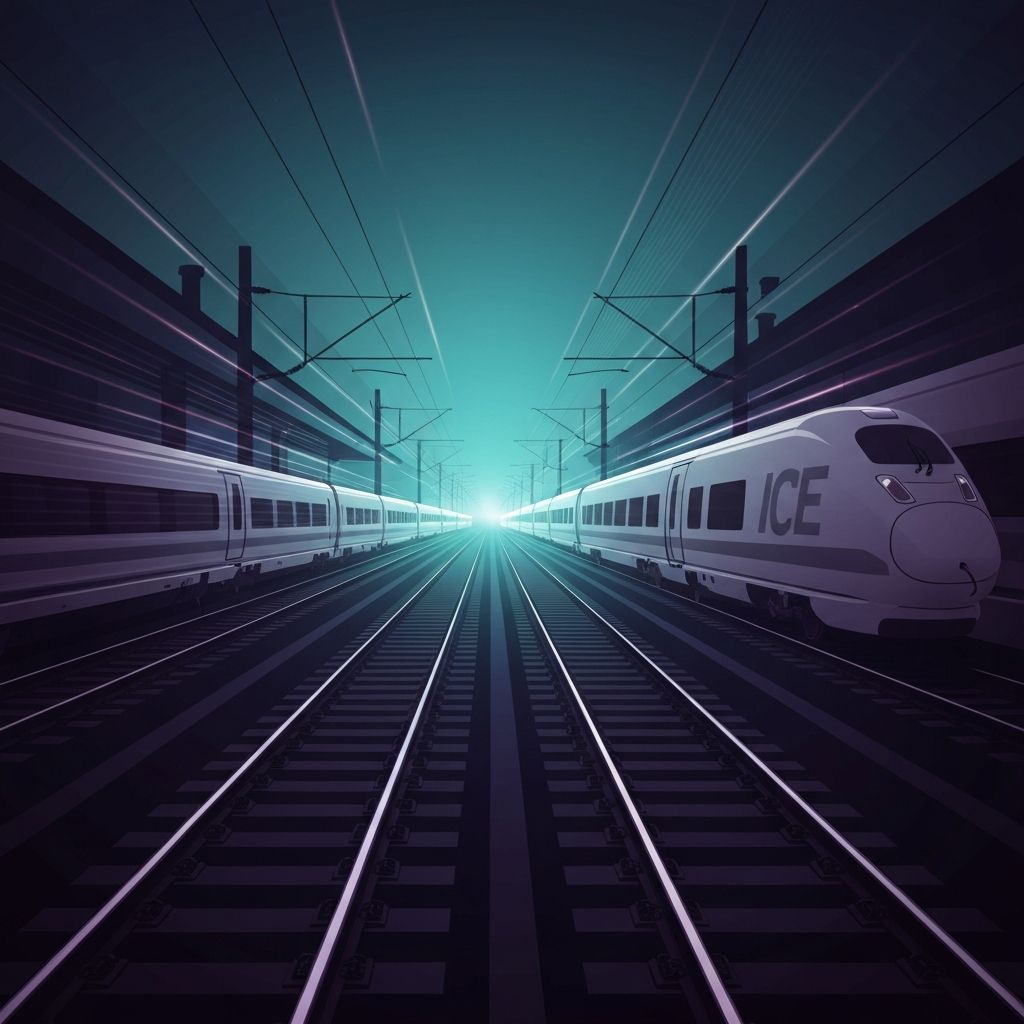
Railways: The Backbone of German Transportation
Germany has one of the most extensive and sophisticated railway networks in the world. Trains are vital to daily life, connecting cities, regions, and neighboring countries through high-speed lines, regional routes, and freight corridors. Germany's railway industry is undergoing a major transformation as the country invests heavily in modernization, electrification, and digital signaling. While Deutsche Bahn remains the dominant operator, several private and regional companies have emerged, fostering competition and innovation.
Deutsche Bahn (DB)
Deutsche Bahn is by far the largest railway operator in Germany. From the high-speed ICE network to regional and S-Bahn services, DB handles billions of passenger journeys annually. The state-owned company also runs DB Cargo, one of Europe's largest rail freight operators. DB has invested significantly in digitalization, electrification, and a more punctual, sustainable rail future.
FlixTrain
FlixTrain has shaken up the German rail market with affordable long-distance services. Operating between major cities like Berlin, Hamburg, Munich, and Cologne, FlixTrain offers a budget-friendly alternative to Deutsche Bahn's ICE services, attracting younger and price-conscious travelers.
National Express Germany
The German subsidiary of UK-based National Express operates regional rail services in North Rhine-Westphalia. Its modern trains, reliability, and customer service have earned it strong reviews, making it one of the most respected private rail operators in the country.
Transdev Germany
Transdev is a major private operator offering regional passenger services across multiple German states. Known for its commitment to punctuality and sustainable transport, Transdev plays an increasingly important role in regional rail competition.
Abellio Rail
Abellio operated extensive regional services in Germany and was widely recognized for its commuter rail networks. The brand has gone through industry restructuring, but its impact on regional rail competition has been significant, paving the way for newer operators.
NETINERA Deutschland
NETINERA is part of the Italian Ferrovie dello Stato group and operates several regional rail services in Germany. The company emphasizes high-quality service, environmentally friendly operations, and strong regional partnerships.
HLB (Hessische Landesbahn)
HLB is a key regional operator in Hesse, providing both passenger and freight services. Known for modern fleets and reliability, HLB plays a vital role in connecting smaller towns to major hubs like Frankfurt.
VLEXX
VLEXX operates regional services in Rhineland-Palatinate and Saarland. With modern Coradia Lint trains and strong customer focus, the operator is a popular choice for daily commuters in southwestern Germany.
WestfalenBahn
WestfalenBahn provides regional rail services in northwestern Germany, particularly in North Rhine-Westphalia and Lower Saxony. Its fleet of FLIRT and KISS trains is recognized for comfort and reliability.
Eurobahn (Keolis Deutschland)
Eurobahn operates regional services across Germany under Keolis Deutschland. The company emphasizes accessibility, modern train fleets, and improved customer service, supporting commuters across multiple German federal states.
Trends in the German Rail Industry
Germany is investing heavily in its rail infrastructure as part of its climate strategy. The Deutschlandtakt initiative aims to provide nationwide synchronized timetables, while electrification and digital signaling are improving punctuality and capacity. The introduction of hydrogen and battery-powered trains marks a new era of sustainable rail travel.
Conclusion
Germany's railway sector blends tradition with innovation. Whether traveling on a high-speed ICE, a budget FlixTrain, or a modern regional carrier, passengers benefit from a mature, increasingly digital, and environmentally focused railway industry. These top operators define the future of rail travel in one of Europe's most rail-dependent countries.