
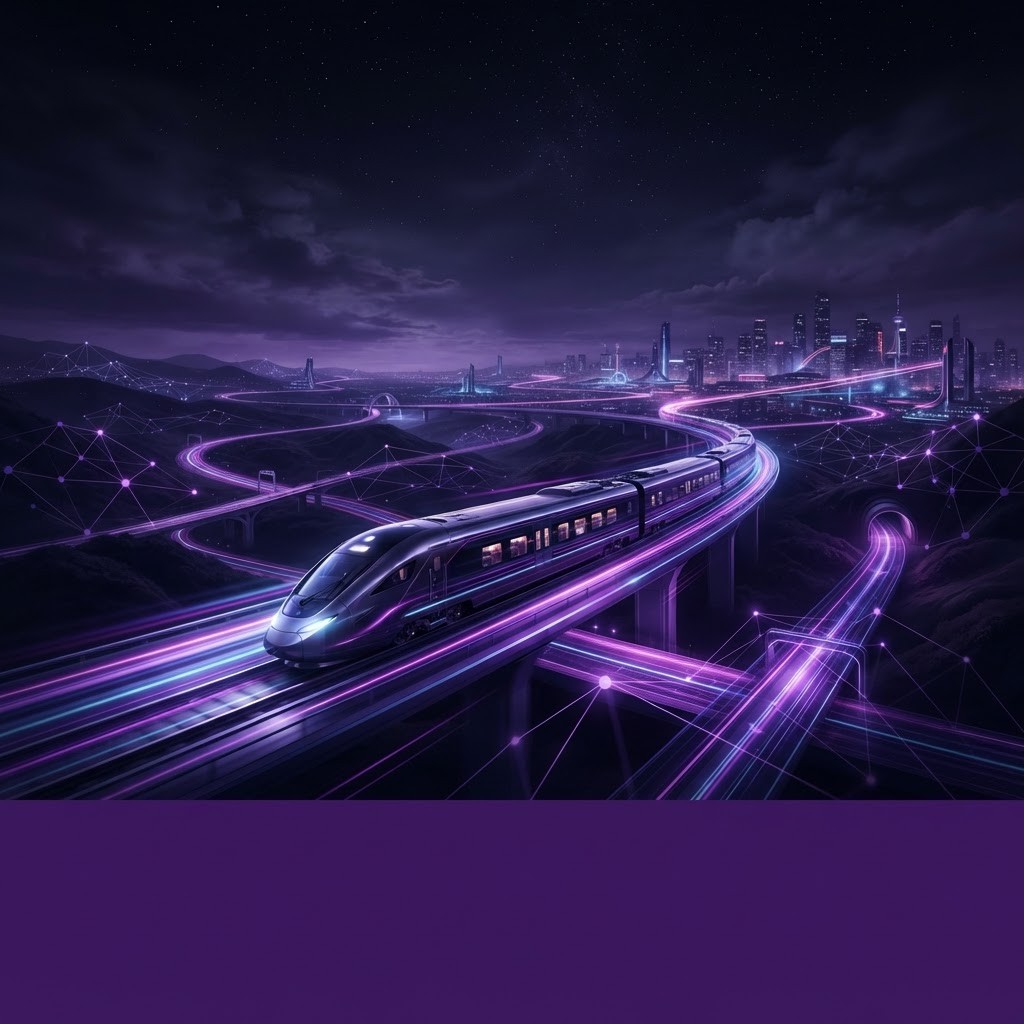
Rail: The Lifeline of Fort Worth's Economy
Railways have shaped Fort Worth's history and continue to drive its economy today. As a historic rail hub in North Texas, the city hosts a vibrant network of freight and passenger rail operations that connect it to markets across the country. From moving vast quantities of goods to providing commuter and intercity passenger service, railway operators play an indispensable role in the region's transportation ecosystem.
Understanding the key railway operators in Fort Worth offers insight into how goods and people move efficiently throughout the metroplex and beyond. The following operators are recognized for their connectivity, reliability, and contributions to the local and national economy.
The Top 10 Railway Operators
1. BNSF Railway is headquartered in Fort Worth and stands as one of the largest freight railroads in North America, moving enormous volumes of goods across an extensive national network.
2. Union Pacific Railroad operates significant freight routes through the region, connecting Fort Worth to major markets across the western United States.
3. Trinity Metro TEXRail provides commuter rail service linking downtown Fort Worth with Dallas Fort Worth International Airport, offering a convenient option for travelers and commuters.
4. Trinity Railway Express connects Fort Worth and Dallas with reliable commuter service, serving thousands of passengers throughout the metroplex.
5. Amtrak offers intercity passenger rail through its Texas routes, linking Fort Worth to destinations across the state and nation.
6. Fort Worth and Western Railroad is a regional short line operator providing freight service and supporting local industries.
7. Dallas, Garland and Northeastern Railroad serves regional freight needs, connecting industrial customers throughout North Texas.
8. Kansas City Southern contributes to freight movement in the region, with routes that support trade across North America.
9. Wichita, Tillman and Jackson Railway operates as a short line carrier serving regional agricultural and industrial shippers.
10. Texas Pacifico Transportation rounds out the list, providing freight rail services that connect Texas markets and support cross-border trade.
The Importance of Rail Connectivity
Railway connectivity is a cornerstone of economic vitality. Freight railroads like BNSF and Union Pacific enable the efficient movement of raw materials, agricultural products, consumer goods, and industrial equipment, supporting businesses and reducing highway congestion. Their extensive networks link Fort Worth to ports, distribution centers, and markets nationwide.
Passenger rail operators enhance mobility for residents and visitors. Services such as TEXRail and the Trinity Railway Express offer reliable, sustainable alternatives to driving, easing traffic and connecting key destinations, including the airport and neighboring cities. Amtrak extends this connectivity to intercity and interstate travel, broadening options for longer journeys.
Trends in Rail Transportation
The rail industry continues to evolve with advances in technology and a focus on efficiency and sustainability. Freight operators invest in modern locomotives, improved infrastructure, and data-driven systems to optimize scheduling, safety, and capacity. Intermodal transportation, which integrates rail with trucking, has grown in importance, offering cost-effective and environmentally friendly solutions for shippers.
Passenger rail is also expanding as cities seek to reduce congestion and emissions. Investments in commuter rail and improved connectivity reflect a broader push toward sustainable urban mobility. These developments position rail as a critical component of future transportation planning in the Fort Worth region.
The Economic and Environmental Impact
Railways deliver substantial economic and environmental benefits. By moving large volumes of freight efficiently, railroads reduce transportation costs and support countless jobs across industries. They also offer a more fuel-efficient alternative to road transport, helping lower emissions and easing wear on highways.
For passengers, rail service provides a convenient, reliable, and eco-friendly way to travel, supporting the region's growth while reducing reliance on personal vehicles. This combination of economic and environmental advantages underscores the enduring importance of rail in Fort Worth's transportation landscape.
Final Thoughts
Railway operators are integral to Fort Worth's identity, economy, and future. From the freight dominance of BNSF Railway and Union Pacific to the passenger connectivity of TEXRail, the Trinity Railway Express, and Amtrak, the region's rail network supports commerce and mobility on a remarkable scale. As technology and sustainability continue to shape the industry, railways will remain a vital force driving Fort Worth forward, connecting people, businesses, and markets across Texas and beyond.